How to Clean a Warehouse Floor
Keeping warehouse floors clean is essential for safety, efficiency, and equipment longevity. The right combination of tools and a solid routine can reduce slips, protect finishes, and improve overall workflow. This guide walks American readers through practical steps to clean large warehouse floors effectively, using common commercial equipment.
Quick Answer
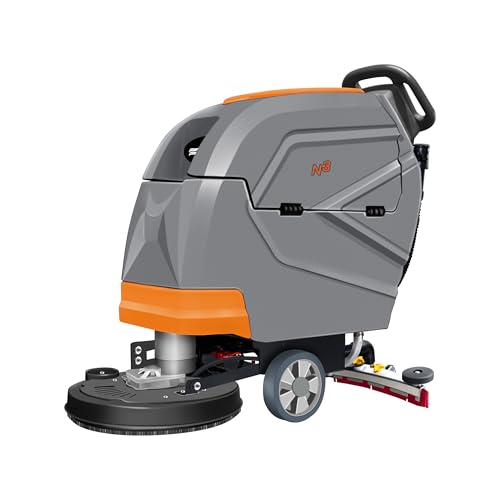
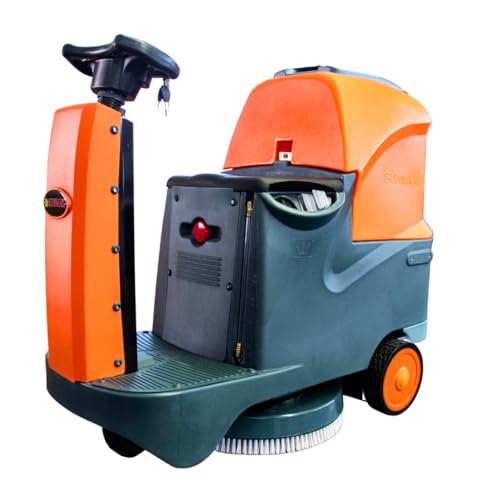
Choose the right machinery based on floor area and traffic: a walk-behind floor scrubber machine commercial warehouse 20 inch for compact lanes and frequent cleaning, or a ride-on floor scrubber machine commercial warehouse for large, high-traffic spaces. Pair with an industrial wet/dry vacuum 12 gallon heavy duty for debris and spills. Schedule routine cleaning during low-traffic hours when possible.
What You’ll Need
- Walk-behind floor scrubber machine commercial warehouse 20 inch
- Ride-on floor scrubber machine commercial warehouse
- Industrial wet/dry vacuum 12 gallon heavy duty
- Floor cleaning solutions compatible with the scrubbers
- Quality mops, squeegees, and microfiber pads
- Personal protective equipment (PPE): gloves, eye protection, high-visibility vest
- Wet-dry vacuum hoses and accessories for reach and edge work

Before You Start
Assess the area for hazards such as spilled chemicals, loose debris, or uneven flooring. Ensure electrical outlets and cords are kept away from damp surfaces and that ventilation is adequate for cleaning solutions. Check floor material compatibility with cleaning agents to avoid damage. Time estimates vary by space: small warehouses may take 1–2 hours; larger facilities can require half a day or more depending on equipment and shifts.
Step-By-Step: How To Clean A Warehouse Floor
- Remove loose debris with a dry mop or broom, then pick up larger items by hand.
- Put on PPE, inspect equipment, and fill the industrial wet/dry vacuum 12 gallon heavy duty with appropriate debris bags and filters.
- Fill scrubber’s solution tank with an approved cleaning solution, following label directions for dilution.
- Operate the walk-behind floor scrubber machine commercial warehouse 20 inch in straight passes, overlapping each stroke to cover the entire floor.
- Target corners and edges with a narrow squeegee or a manual edge tool; switch to edge brushes on the scrubber if available.
- Inspect damp areas and resurface as needed; if heavy staining remains, pre-treat with a compatible degreaser and re-scrub.
- Use the industrial wet/dry vacuum 12 gallon heavy duty to pick up slurry, then rinse the floor with clean water if the cleaning solution requires it.
- Allow floor to air-dry or accelerate drying with fans, especially in high-traffic zones or near cold storage areas.
- Document cleaning steps and any maintenance notes for future reference and compliance.
- Return equipment to storage, remove PPE, and perform a quick safety check of aisles and exits.
- Schedule routine cleanings based on traffic patterns and spill history to maintain consistent results.
Troubleshooting
| Symptom | Likely Cause | Fix | Prevention |
|---|---|---|---|
| Floor remains slippery after cleaning | Over-wetting or improper dilution | Adjust solution concentration and ensure thorough extraction | Test small area, then clean in sections |
| Scrubber leaves streaks | Pad worn or clogged squeegee | Replace pad and clean squeegee thoroughly | Schedule regular maintenance |
| Vacuum loses suction | Full dust filter or damaged hose | Replace filter, inspect hose for clogs | Clean filters routinely |
| Noise or vibration during operation | Loose components or worn bearings | Tighten parts or service bearings | Follow maintenance schedule |
| Streaks near edges | Edge tool not aligned | Realign edge brushes and run along walls slowly | Check tool setup before use |
Common Mistakes
- Using too strong a chemical concentration, which can leave residue and damage floors
- Operating equipment too quickly, reducing cleaning effectiveness
- Neglecting edge and corner areas, leaving stubborn dirt behind
- Forgetting to empty the vacuum and clean filters after each use
Tips For Best Results
- Schedule cleaning during lighter warehouse traffic to minimize disruption and safety risks
- Pre-mix cleaning solutions in a labeled container to ensure consistent dilution
- Use color-coded pads and tools for different zones (wet vs dry, high-traffic vs low-traffic)
- Inspect floor sealants or coatings periodically; damaged coatings can worsen cleaning results
- Keep a maintenance log for scrubbers and vacuums to prevent downtime
Call A Professional
Consider contacting a professional if you encounter persistent equipment failure, persistent staining that resists standard cleaners, or if the warehouse has specialized flooring (epoxy, polished concrete, or anti-slip coatings) requiring expert care. Stop signs include repeated pump leaks, consistent loss of suction despite blade changes, or if safety guidelines cannot be met with routine cleaning.
FAQ
What is the best cleaning schedule for a busy warehouse?
Frequency depends on traffic and spill history; many facilities clean floors daily or every second day during peak periods.
Can I use a residential vacuum for warehouse cleanup?
No; industrial wet/dry vacuums are designed for heavy debris and liquids and are safer for commercial floors.
How do I choose between a walk-behind and a ride-on scrubber?
Choose walk-behind for tighter spaces and lower budgets; ride-on suits large, open areas with high traffic.
Are there floor coatings that affect cleaning?
Yes; epoxy or polyurethane coatings may require specific cleaners and machines to avoid damage.
Is it okay to mix cleaning solutions?
Only use dilutions recommended by the cleaner’s label and avoid mixing multiple products unless explicitly advised.
What safety steps should be taken after cleaning?
Ensure floors are dry, aisles are clear, and spill containment equipment is restocked for the next shift.
Buying Guide
Choosing the right equipment for a warehouse depends on space, budget, and cleaning goals. Consider these factors to optimize performance and long-term costs.
- Size and layout: For narrow aisles, a compact walk-behind scrubber may suffice; larger spaces benefit from ride-on models to speed up cleaning.
- Noise level: Some models operate quietly enough for night shifts; compare decibel ratings when cleaning during off-hours.
- Energy efficiency: Look for machines with efficient motors and effective suction to minimize energy use and water consumption.
- Controls and ergonomics: Intuitive controls reduce operator fatigue; consider adjustable handles and clear indicators for maintenance.
- Durability and parts availability: Choose commercial-grade machines with readily available replacement parts and service options.
- Water and chemical management: Ensure compatibility with your floor finish and cleaners; check solution tank capacity for the planned shift length.
- Footprint and storage: Ensure there is adequate space to store scrubbers, vacuums, and cleaning supplies safely.
- Safety features: Look for automatic shutoffs, properly rated cords, and signage compatibility for wet floors.
When comparing options, test maneuverability in your typical warehouse layout and assess the availability of compatible accessories such as edge brushes and squeegees. If in doubt, consult a cleaning equipment supplier who can tailor recommendations to your facility’s floor type and traffic patterns.
Leave a Reply