How to Clean Gua Sha: Safe, Quick Methods and Best Tools
Gua sha tools are popular for facial and body massage, but proper cleaning is essential to keep them sanitary and effective. This guide provides practical steps for keeping your gua sha stones clean, hygienic, and ready for use.
Following the right cleaning routine helps prevent skin irritation and preserves the stone’s surface. The methods here suit different routines, from quick daily cleaning to deeper sanitizing between sessions.
Quick Answer
Clean gua sha stones daily with mild soap and water, dry thoroughly, and store in a clean area. For deeper sanitizing, consider a dedicated cleaning tool or device such as a ultrasonic cleaner for gua sha stones or UV sterilizer box for gua sha stones.
What You’ll Need
- Soft brush or cloth for gentle cleaning
- Mild soap or facial cleanser
- Water for rinsing
- Dry towel or microfiber cloth
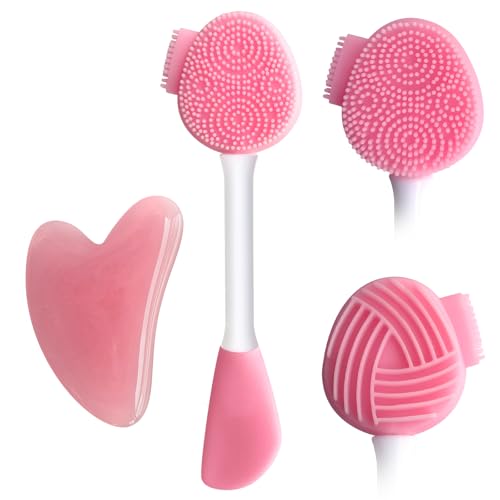
- gua sha stone cleaning brush silicone
- ultrasonic cleaner for gua sha stones
- UV sterilizer box for gua sha stones

Before You Start
Prepare a clean workspace and ensure all items are dry after cleaning to prevent moisture damage. Avoid harsh cleaners, bleach, or alcohol-based solutions on the stone, which can dull or damage certain materials. Check the stone for cracks before cleaning; damaged stones may harbor bacteria and require replacement.
Time estimate: 5–10 minutes for daily cleaning; deeper sanitizing may take longer depending on the method used.
Step-By-Step: How To Clean Gua Sha
- Rinse the stone under lukewarm water to remove visible residue.
- Create a gentle lather with a small amount of mild soap or facial cleanser.
- Gently scrub the stone with a gua sha stone cleaning brush silicone or soft cloth, focusing on any crevices.
- Rinse thoroughly with clean water, ensuring all soap is removed.
- Dry the stone completely with a clean towel or microfiber cloth to prevent water spots.
- For deeper cleaning, place the stone in an ultrasonic cleaner for gua sha stones following the device’s instructions, if available.
- Optionally, run a sanitizing step using a UV sterilizer box for gua sha stones after drying.
- Store in a clean, dry location, away from direct sunlight to preserve the surface.
Troubleshooting
| Symptom | Likely Cause | Fix | Prevention |
|---|---|---|---|
| Stones feel tacky after cleaning | Soap residue | Rinse thoroughly and dry completely | Use a small amount of soap and rinse well |
| Discoloration or dull surface | Harsh cleaners or mineral deposits | Switch to mild cleanser; skip alcohol | Clean regularly; dry promptly |
| Persistent odor | Residual moisture or bacteria | Dry thoroughly; consider UV or ultrasonic sanitation | Dry after every use |
| Micro-scratches on stone | Rough cleaning tools | Use soft brushes; avoid abrasive pads | Inspect tools before cleaning |
Common Mistakes
- Using rough brushes or abrasive cleaners that scratch the surface
- Leaving water pooled on the stone for extended periods
- Using harsh chemicals or solvents that can degrade the material
- Skipping drying after cleaning, inviting bacterial growth
Sticking to gentle cleaning methods helps maintain both hygiene and the stone’s integrity over time.
Tips For Best Results
- Clean after every use to minimize buildup on the stone
- Inspect stones regularly for cracks or chips that may harbor bacteria
- Pair cleaning with proper storage to extend the life of the gua sha tool
- Choose a dedicated cleaning routine that fits your lifestyle, whether quick daily cleaning or periodic deep sanitizing
Call A Professional
If the gua sha stone shows deep cracks, persistent mold, or continues to retain odors after cleaning, stop using it and consult a professional or consider replacement. Do not attempt to repair structural damage yourself, as it may worsen the risk of skin irritation.
FAQ
How often should I clean my gua sha stone?
Clean after each use for best hygiene, with a deeper sanitizing step periodically if you prefer extra cleanliness.
Can I use alcohol to clean gua sha stones?
Avoid strong solvents like alcohol on some stones; use mild soap and water, then sanitize with approved methods if needed.
Is a UV sterilizer safe for gua sha stones?
Yes, when used according to the device instructions, UV sterilizers can provide additional sanitization without moisture.
What should I do if my gua sha stone gets scratched?
Light scratches are common but avoid cleaning with abrasive tools that worsen them; replace the stone if scratches become significant.
Is an ultrasonic cleaner necessary?
Not strictly necessary, but an ultrasonic cleaner can help deeply remove residue if you prefer a thorough cleaning routine.
Are there storage tips for gua sha stones?
Store in a clean case or pouch in a dry area away from direct sun to preserve surface integrity.
Buying Guide
When choosing tools to support cleaning and maintenance, consider these factors:
- <bSize and material compatibility: Some gua sha stones are made from jade, rose quartz, or other materials that respond differently to cleaners. Ensure the tool you use is appropriate for the stone type.
- <bNoise level and ease of use: Ultrasonic cleaners can be quiet, but some models generate more sound. If you clean in a shared space, look for low-noise options.
- <bEnergy efficiency: Ultrasonic cleaners and UV boxes vary in energy use. Choose energy-efficient models if you clean frequently.
- <bControls and ease of operation: Simple timers and safety features help prevent over-cleaning or misuse.
- <bPlacement and storage: A dedicated tray or pouch keeps stones clean between sessions and reduces contact with contaminants.
- <bMaintenance and replacements: Consider the availability of replacement parts or brushes and whether the device is easy to clean itself.
- <bSafety: Ensure devices have clear instructions and safety features to prevent accidental exposure to UV light or moisture.
By weighing these factors, you can build a cleaning routine that fits your lifestyle while keeping gua sha stones hygienic and ready for use. Curious about combining multiple tools? A simple setup with a soft brush, mild cleanser, and optional ultrasonic or UV sanitizing can offer flexible, effective cleaning without overcomplicating the process.
Leave a Reply