How to Clean Rust Off Barbell
Rust on a barbell not only looks unsightly but can affect grip, performance, and longevity. This guide provides a practical, step-by-step approach using common tools and safe practices to restore a barbell to a smooth, functional condition.
Readers will learn how to assess rust damage, choose the right rust removal products, and maintain the bar to prevent future corrosion. The methods apply to standard weights and Olympic bars commonly used in home gyms and commercial facilities.
Quick Answer
Start with a light cleaning to remove loose rust, then use a rust remover spray or a steel wire brush to target stubborn spots. Finish with a protective coating and regular upkeep to keep the barbell rust-free long-term.
The Essentials You’ll Need
Before you begin, gather the tools and products that will make rust removal efficient and safe. Use the list below as your starter kit, then consult the Buying Guide for more nuances about choosing the right option.
- Barbell rust remover spray for weights
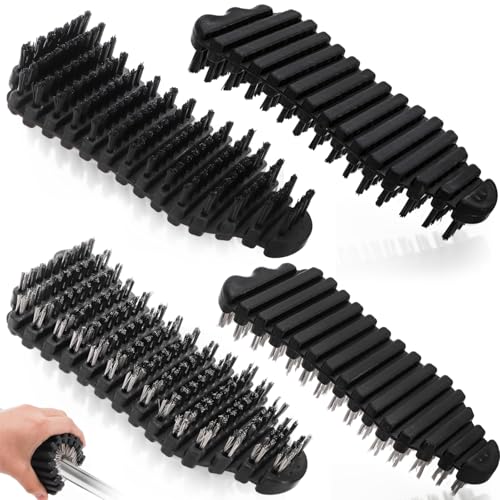
- Barbell cleaning kit rust remover brush
- Steel wire brush set for rust removal barbell weights
- Shop rags or microfiber towels
- Grip-friendly degreaser or mild soap
- Protective gloves and eye protection
- Lubricant or light machine oil for bearings

Before You Start
Assess the bar for pitting and deep corrosion. If the chrome or steel shows severe flaking or structural wear, stop and consider professional evaluation. Work on a dry, well-ventilated surface to avoid slip hazards. Allow time for each step, and plan for a 1–2 hour session depending on rust severity. Avoid inhaling dust from rust or old coatings and never apply liquids to a live, loaded bar.
Step-By-Step: How To Clean Rust Off Barbell
- Prepare the area and PPE. Lay down rags, wear gloves, and open windows for ventilation. Detach any collars and plates for safe access along the bar sleeve and shaft.
- Remove loose rust. Wipe the bar with a damp cloth to remove surface dust and surface rust. A light degreaser can help break grime without harming protective coatings.
- Apply rust remover spray for weights. Target affected areas on the shaft and sleeves. Follow product instructions for contact time and re-application if needed.
- Scrub stubborn spots. Use a barbell cleaning kit rust remover brush or a steel wire brush with gentle pressure to lift rust without scratching chrome or coatings. Avoid aggressive scrubbing on coated surfaces.
- Rinse and dry. Wipe away residue with a clean cloth and dry the bar completely to prevent new rust from forming.
- Lubricate the bearings and sleeves. Apply a light machine oil or the recommended lubricant to moving parts, ensuring smooth rotation and minimizing future corrosion.
- Reassemble and wipe down. Reinsert collars and plates, then wipe the entire bar to remove fingerprints and oil residues that attract moisture.
- Inspect for remaining rust. If stubborn areas persist, repeat the rust remover treatment on those spots, adjusting pressure and contact time as needed.
- Maintain with routine cleaning. Establish a weekly wipe-down routine and monthly deeper clean to guard against rust buildup.
- Store properly. Keep the bar in a dry area, away from moisture and humidity; avoid storing while damp or in damp gym environments.
- Document findings. Note rust-prone zones on the bar for future maintenance planning and replacement timing if wear progresses.
Troubleshooting
| Symptom | Likely Cause | Fix | Prevention |
|---|---|---|---|
| Spotty rust returns quickly | Inadequate cleaning or protective coating | Re-clean with rust remover and reapply protective coating | Establish a regular wipe-down routine |
| Stiff or sticky sleeves after cleaning | Residual lubricant or moisture | Wipe clean and re-lubricate | Use minimal lubricant and ensure dryness before storage |
| Pitting or flaking chrome | Deep corrosion | Consult professional assessment; consider sleeve/bearing replacement if needed | Protect with proper sealant and avoid moisture exposure |
| Rust returns after short use | Moist environment or sweaty gym conditions | Increase cleaning frequency and apply durable protective coating | Store in dry area and use humidity control |
Common Mistakes To Avoid
- Over-scrubbing with abrasive tools that scratch chrome
- Using harsh chemicals on coated bars unless specified by manufacturer
- Neglecting to dry the bar completely after cleaning
- Skipping lubrication on moving parts, causing wear and faster rusting
Tips For Best Results
- Test a small inconspicuous area first to ensure compatibility with coatings
- Work in sections to prevent rust from spreading during cleaning
- Pair rust removal with a maintenance schedule—clean, dry, and oil after workouts
- Choose products that note compatibility with steel bars and chrome finishes
Call A Professional
Seek professional assistance if the bar shows significant structural damage, deep pitting, or if sleeves don’t rotate smoothly after cleaning. Stop use and consult a coach or repair technician when any of the following occur: severe corrosion, cracks, or unusual wobble in the bar. If the bar is under warranty, contact the manufacturer for guidance before attempting repairs.
FAQ
Can I use household vinegar to remove rust from a barbell?
Vinegar can remove rust but may degrade protective coatings. Use purpose-made rust removers when possible and test a small area first.
How often should I clean a rusty barbell?
Clean after heavy sweating sessions or frequent use, plus a deeper clean monthly to prevent buildup.
Is it safe to lubricate chrome sleeves after rust removal?
Yes, apply a light lubricant designed for weightlifting bars to keep sleeves smooth and reduce future corrosion.
What if rust keeps returning despite cleaning?
Consider environmental controls, more frequent maintenance, and possible replacement if pitting is severe.
Can I use a steel wire brush on chrome?
Use it with caution; light pressure is essential to avoid scratching chrome. Prefer softer brushes for chrome coatings.
Should I remove the barbell collar while cleaning?
Yes, remove collars to access the full length of the bar and prevent interference during cleaning.
Buying Guide
When selecting products to tackle barbell rust, buyers should weigh size, compatibility, and user-friendliness. Consider the level of rust, bar type (standard vs. Olympic), and storage conditions. A dedicated rust remover spray paired with a barbell cleaning kit and a steel wire brush set offers a balanced, effective solution for most households and gyms. Look for products that specify steel and chrome compatibility and include clear usage instructions. For ongoing maintenance, choose reliable lubricants that resist moisture and provide lasting protection against corrosion. Finally, assess packaging and accessibility to ensure you can store the tools neatly and ready for future maintenance sessions.
Leave a Reply