How to Steam Clean a Mattress for a Fresh, Hygienic Bed
Steam cleaning a mattress uses heat and moisture to lift dirt, kill certain germs, and refresh fabrics without heavy scrubbing. This method can be quick, effective, and safer for most mattress materials when done carefully. The approach below emphasizes accessible tools and practical steps for American households.
Before starting, understand the limits of steam cleaning: it’s not a substitute for deep professional cleaning in cases of severe stains, mold, or persistent odors. Always check the mattress label for care instructions and avoid soaking the fabric. Proper drying is essential to prevent mildew and prolong mattress life.
Quick Answer
What you’ll do: Lightly steam to loosen dirt, then extract moisture with a clean towel or vacuum attachment. Focus on seams and edges, allow thorough drying, and repeat if needed. Use safe, low settings to protect fabric and springs.
What You’ll Need
- Handheld fabric steamer for mattress upholstery cleaning or a portable steam cleaner with upholstery brush for mattress
- Clean terry cloth towels or microfiber cloths
- Vacuum cleaner with a dusting brush or upholstery attachment
- Optional: enzyme cleaner for stains, mild detergent, or baking soda for deodorizing
- Water reservoir and a clean water source
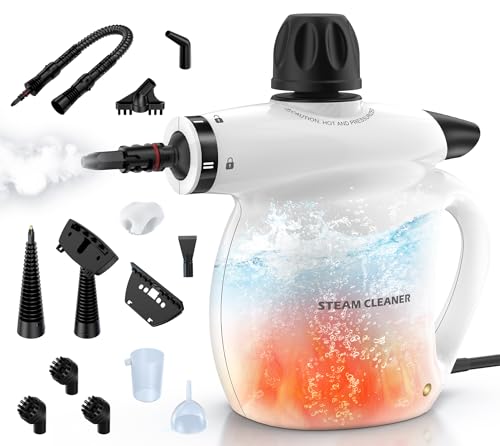
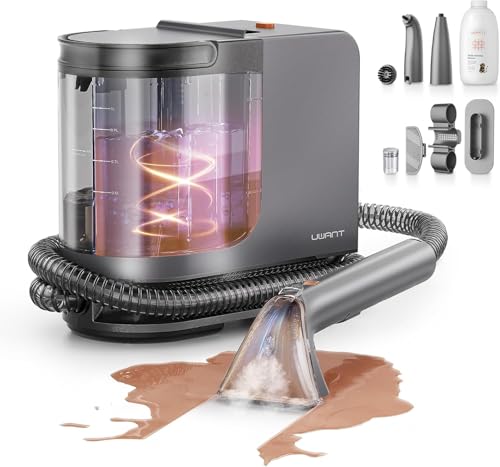
Before You Start
Prepare the room by removing linens, mattress toppers, and pillows. Vacuum the entire surface to remove loose dust and debris. Keep the steam setting on a low to medium range to avoid soaking the fabric or over-wetting the mattress. Avoid steam on waterbeds or memory foam with delicate covers unless the manufacturer allows it. Test a small, inconspicuous area first to verify fabric tolerance. Plan for a drying window of at least 2–6 hours depending on humidity and room airflow.
Step-By-Step: How To Steam Clean A Mattress
- Vacuum the mattress thoroughly, including seams, edges, and under any edge bolster. This removes surface dust and gives steam a better path to lift grime.
- Fill the steam cleaner with clean water and set to a low-to-moderate heat suitable for upholstery. Attach the upholstery brush if available for better contact with fabric fibers.
- Begin steaming in a slow, vertical motion, keeping the nozzle slightly above the surface to prevent soaking. Focus on one area at a time, using overlapping strokes.
- Immediately blot excess moisture with a clean microfiber cloth, working from the center outward. This helps extract loosened dirt and reduces spotting.
- Move to adjacent sections and repeat until the entire mattress surface is treated. Use shorter, deliberate passes on heavily soiled spots.
- For stubborn stains, apply a small amount of mild detergent or a recommended enzyme cleaner to the cloth and gently dab the area before resuming steam.
- After finishing, run a final light pass to lift residual moisture and improve deodorizing effect. Avoid leaving the fabric damp in any corner.
- Ventilate the room and open windows or use a fan to speed drying. If possible, place the mattress in a sunny spot to aid drying.
- Once dry, re-vacuum to remove any remaining dry dirt and refresh the surface. Reassemble sheets and toppers when fully dry.
- Store the steamer according to the manufacturer’s guidance and keep it away from heat or moisture when not in use.
- Optional: sprinkle baking soda lightly after drying to neutralize odors, then vacuum again after 15–30 minutes.
- Regular maintenance: repeat every few months or as needed to maintain a clean sleeping surface.
Troubleshooting
| Symptom | Likely Cause | Fix | Prevention |
|---|---|---|---|
| Streaks or uneven drying | Moisture pooled in fabric | Blot with cloth, more frequent light passes | Use lower steam intensity, shorter passes |
| Water spots after drying | Excess moisture on fabric | Pat areas with dry cloth, increase airflow | Dry thoroughly in a well-ventilated space |
| Persistent odor | Moisture trapped in padding | Apply baking soda after drying, vacuum later | Ensure complete drying before using |
| Fabrics feel stiff | Over-drying or detergent residue | Rinse with clean cloth, ventilate longer | Rinse with minimal detergent |
Common Mistakes
- Steaming too aggressively or with high heat on delicate fabrics
- Letting moisture sit in seams or along edges
- Using harsh cleaners that can irritate skin or damage fabrics
- Not drying fully, leading to mildew and odors
- Skipping a patch test on new fabrics
Tips For Best Results
- Pair steam cleaning with regular vacuuming for ongoing maintenance
- Work in a well-ventilated room to accelerate drying
- Test any cleaner on a hidden area before applying to the whole mattress
- Consider a mattress protector between cleanings to simplify future upkeep
- Schedule steam cleaning during mild weather to shorten drying time
Call A Professional
Seek professional help if the mattress has visible mold growth, persistent mildew odors, or large, tough stains that do not respond to steam cleaning. Stop and contact a pro if you notice any structural damage, sagging, or springs poking through the fabric. For safety, avoid attempting to steam heavily soiled or water-damaged mattresses on your own without guidance.
FAQ
Is steam cleaning safe for memory foam mattresses?
Yes, when done with low heat and minimal moisture, steam can refresh memory foam, but avoid oversaturation and follow the manufacturer’s care instructions.
How long does it take a mattress to dry after steam cleaning?
Drying typically takes 2–6 hours depending on room airflow and humidity. Faster results come from fans and sun exposure.
Can I steam clean a stain directly?
Avoid applying steam directly to tough stains; instead, dab a mild cleaner on a cloth and work gently, then steam over the treated area.
What if the mattress is heavily soiled?
Consider combining steam cleaning with professional cleaning for deep-set stains and odors.
Should I use distilled water in the steam cleaner?
Distilled water reduces mineral buildup and prolongs cleaner life; check the device manual for water type recommendations.
Can I steam clean a waterproof mattress cover?
Yes, most covers tolerate steam, but verify the cover’s care label and avoid over-wetting the layers beneath.
How often should I steam clean a mattress?
Every 3–6 months is a practical range for regular maintenance, more often if you have allergies or pets.
Buying Guide
When choosing a tool for steam cleaning a mattress, consider size, heat level, water capacity, and ease of use. Look for compact, portable models with an upholstery brush for better fabric contact. Noise level matters for night-time cleaning, and energy efficiency helps with frequent use. A steamer with adjustable steam control gives greater flexibility for different fabric types. For placement, a compact device is ideal for beds in bedrooms with limited space. If you expect frequent cleaning, select a model with a larger water reservoir and quick-dry features. Finally, ensure the device is easy to clean and comes with a repairable design to extend its life.
Leave a Reply