How to Clean Dust After Renovation: A Practical Guide for Homeowners
Renovation projects stir up a lot of dust, and that residue can linger long after the last nail is hammered. A thoughtful clean-up plan helps protect indoor air quality, keeps surfaces safer, and reduces post-renovation stress. This guide walks through proven methods to remove drywall dust and fine particles from every room.
Quick Answer
Use a two-stage approach: first capture heavy debris with a specialized vacuum, then tackle fine dust with air purification and careful surface cleaning. Start with a HEPA-equipped vacuum to remove large dust piles, then run a construction site HEPA air purifier to reduce airborne particles. Finish with microfiber tools for dust control on floors and fixtures. Regular vacuuming and misting with a damp cloth prevent dust from resuspending.
What You’ll Need
- HEPA shop vac for drywall dust renovation cleanup — essential for picking up heavy drywall dust and debris without releasing fine particles back into the air
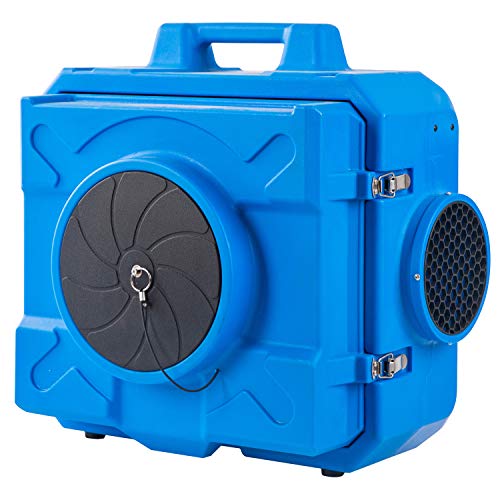
- construction site HEPA air purifier for dust removal — reduces airborne dust and improves room air quality during and after cleanup
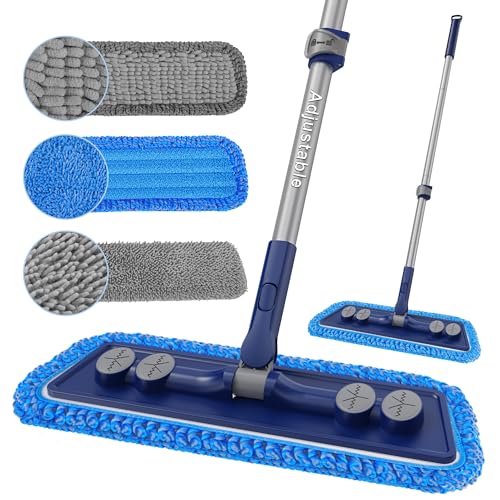
- microfiber mop and dusting kit for renovation cleanup — captures fine dust on floors and surfaces without scattering it
- Microfiber cloths in multiple colors (for different rooms)
- Long-handled duster and extension poles
- Spray bottle with water or a light cleaning solution
- Drop cloths or plastic sheeting to contain work zones
- Trash bags and a sturdy dust bin for debris

Before You Start
Clear rooms of furniture or move pieces to the center and cover them with drop cloths. Close interior doors to confine dust to the work zone and reduce cross-contamination. Wear protective gear such as a dust mask or respirator, safety glasses, and gloves. Plan for time: a typical cleanup after drywall work can take several hours to a full day depending on space size and ventilation.
Critical cautions: never use water-diluted solvents near unfinished drywall; keep doors and windows slightly open for ventilation when weather allows; test cleaning products on inconspicuous areas first to avoid staining.
Step-By-Step: How To Clean Dust After Renovation
- Switch on the construction site HEPA air purifier for dust removal in the room you’re cleaning to start reducing airborne particles.
- Use the HEPA shop vac for drywall dust renovation cleanup to pick up large deposits from floors, ledges, and the top of flat surfaces.
- Vacuum all hard floors with the HEPA vacuum, then go over corners and baseboards to capture tucked dust
- Wipe down walls, switchplates, and windowsills with a damp microfiber cloth to trap settled dust on vertical surfaces
- Dust fixtures, crown molding, and vents with a microfiber duster, then follow with a damp cloth for any stubborn spots
- Run the air purifier for several hours, then recheck air quality and repeat as needed
- Swap dirty mop pads for clean ones and mop floors with a damp microfiber mop to avoid kicking dust back into the air
- Rinse and repeat cleaning of high-traffic areas periodically during the cleanup window
- Move to adjacent rooms methodically, using the same vacuuming and mopping routine to prevent cross-contamination
- Dispose of collected debris in sealed bags and wipe down tools to keep dust contained for future projects
- Finish with a final sweep of all surfaces, then seal the area if ongoing construction dust is expected
Troubleshooting
| Symptom | Likely Cause | Fix | Prevention |
|---|---|---|---|
| Dust continues to linger after cleaning | Inadequate filtration or missed surfaces | Run the HEPA air purifier longer and re-clean high-touch areas | Clean in stages, don’t skip baseboards and vents |
| Dust re-suspends when walking through room | Dry, loose dust on floors | Use a damp mop or microfiber mop, avoid sweeping | Mop before moving to next area |
| Dust on furniture reappears after placement | Settled dust disturbed by movement | Place furniture after a final surface wipe | Cover furniture until dust is under control |
| Allergies worsen during cleanup | Dust exposure or poor filtration | Increase purifier runtime and wear protection | Ensure proper PPE and situate purifier close to work zones |
Common Mistakes
- Using a standard household vacuum not designed for fine drywall dust
- Dry sweeping or dusting, which stirs up particles
- Neglecting vents and door frames where dust accumulates
- Skipping the air purifier, assuming vacuuming alone is enough
- Working without protective gear in poorly ventilated spaces
Address these missteps by relying on purpose-built tools and maintaining a steady cleaning cadence throughout the project.
Tips For Best Results
- Start with the strongest dust sources near the work area to prevent widespread spread
- Keep doors closed to limit cross-room contamination while cleaning
- Schedule purifier use during peak dust periods and after heavy sanding
- Use color-coded microfiber cloths to avoid cross-contamination between rooms
- Finish with a final dusting pass and a damp mop to lock in the clean
Call A Professional
Consider professional help if dust levels remain high after an initial cleanup, if allergies or respiratory concerns are present, or if there are many hidden dust sources (e.g., HVAC ducts). Seek a pro when ventilation is insufficient, or if you lack the right equipment to safely remove fine particulate matter.
FAQ
What type of vacuum works best for drywall dust?
A HEPA shop vac for drywall dust renovation cleanup is recommended to capture fine particles without recirculating them.
How long should I run an air purifier after a renovation?
Run the purifier for several hours, ideally in cycles over a few days, until air quality stabilizes.
Can I clean dust with just a damp cloth?
For best results, combine damp cleaning with a HEPA vacuuming routine to remove both settled and airborne dust.
Is it necessary to seal off the room during cleanup?
Yes, especially in homes with multiple occupants or ongoing construction, to minimize dust spread.
Should I clean walls and ceilings too?
Yes, dust can settle on walls and ceilings; wipe with a damp microfiber cloth or microfiber mop head as part of the process.
Buying Guide
When choosing gear for post-renovation cleaning, several factors influence effectiveness and ease of use. Consider size and layout of the space, noise tolerance, energy efficiency of filtration equipment, and placement options for purifiers. A HEPA shop vac for drywall dust renovation cleanup is ideal for heavy debris, while a construction site HEPA air purifier for dust removal helps with airborne particles. A microfiber mop and dusting kit for renovation cleanup is essential for gentle, capture-rich floor and surface cleaning. Balance performance with practicality by selecting tools that fit your typical room size, ventilation, and cleanup frequency. Look for machines with easy bagless or bagged disposal systems, replaceable filters, and readily available accessories to extend their lifespan between projects.
Leave a Reply