How to Use Uproot Clean for Root Removal
Uproot Clean is a practical approach for gardeners tackling stubborn roots and debris in beds and lawns. This guide explains safe, effective methods to use the tool and compatible accessories to streamline the job.
By following these steps, American gardeners can minimize soil disturbance while achieving clean, ready-to-plant spaces. The focus is on efficient root removal and safe tool handling.
Quick Answer
Set up a stable work area, wear protective gear, and use a sequence of leverage and cutting motions with the uproot tools. Start with loosening soil, then lift and pry roots, and finish by cleaning the soil and debris from the root zone.
What You’ll Need
- Hand weeder tool curved blade stainless steel root removal gardening — for precise cutting and root severing
- Root rake garden tool stainless steel for uprooting and cleaning roots — for levering and lifting roots
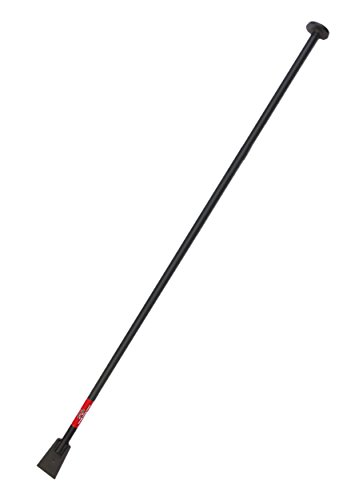
- Stump remover tool heavy duty pry bar garden tool — for stubborn stumps and large roots


Before You Start
Clear the area of bystanders and pets. Wear sturdy gloves, eye protection, and closed-toe shoes. Work on firm soil to avoid tool slips. If roots are near utilities, stop and consult local guidelines. Time estimates: 20–60 minutes for a small bed; larger jobs may take several hours. Safety is essential: inspect tools for damage before use and avoid overexertion.
Step-By-Step: How To Use Uproot Clean For Root Removal
- Position yourself at the edge of the root zone with the root removal tools within easy reach.
- Loosen soil around the root ball using the hand weeder tool curved blade, inserting the blade gently to avoid breaking roots.
- Insert the root rake garden tool under loosened soil to lift and separate roots from the surrounding earth.
- Grasp exposed roots with gloved hands or the tool handle and begin severing smaller roots with controlled cuts.
- For stubborn stumps or thick roots, switch to the stump remover tool heavy duty pry bar and apply steady leverage to pry upward.
- Continue shifting around the root mass, alternating tools to reduce resistance and minimize soil disruption.
- As roots are removed, rake the area to collect soil clumps and debris, keeping the project space clean.
- Check depth and remove any lingering roots that may regrow. Repeat the pruning and cleaning cycle as needed.
- Dispose of removed roots and debris in a compostable pile or designated yard waste container.
- Inspect the area for evenness and consider filling low spots with topsoil to prepare for planting.
- Clean and inspect all tools after use; dry blades to prevent rust and store safely.
- Review the area to ensure no safety hazards remain before resuming normal activities.
Troubleshooting
| Symptom | Likely Cause | Fix | Prevention |
|---|---|---|---|
| Blades sticking in soil | Soil moisture too high or compacted | Dust or brush away surface and lubricate joints; use lighter passes | Avoid working after heavy rains |
| Root mass remains tethered | Underground network beyond reach | Work gradually, repositioning tools to access unseen roots | Probe first to map root layout |
| Poor leverage causes tool slip | Weak grip or dull edge | Sharpen blades; adjust stance; use both hands | Maintain a sharp edge and keep hands dry |
| Soil disturbance around plant beds | Over-aggressive digging | Take smaller slices; back off if resistance grows | Plan multiple shorter sessions if necessary |
Common Mistakes
- Overdigging and disturbing nearby roots or plant roots that should stay intact
- Using excessive force, leading to tool damage or injuries
- Ignoring safety gear, especially eye protection and gloves
- Leaving tool blades exposed to moisture, causing rust
Keep sessions focused and measured, and always prioritize safety over speed.
Tips For Best Results
- Work when soil is mildly moist but not soggy for easier root extraction.
- Sharpen blades periodically to maintain cutting efficiency and reduce strain.
- Alternate tools to minimize soil disruption and protect surrounding plant roots.
- Keep an organized workspace with a dedicated disposal area for roots and debris.
- Close gaps after removal with fresh topsoil or mulch to deter weed growth.
Call A Professional
Consider a professional if the root system is extensive, near structural foundations, or involves large stumps or utility lines. Signs to seek help include: significant soil foundation risks, roots compromising nearby structures, or repeated tool damage despite proper technique.
FAQ
What is Uproot Clean best used for?
Uproot Clean is effective for removing and cleaning roots in garden beds, lawns, and around plants where root mass needs to be cleared.
Which tool should I start with?
Begin with the hand weeder tool curved blade to loosen soil, then use the root rake garden tool for lifting and the stump remover tool for stubborn roots.
Is it safe to use near plants I want to keep?
Yes, but proceed carefully to protect desirable roots. Work in stages and avoid over-disturbing the soil around target plants.
How should I maintain the tools after use?
Clean blades, dry thoroughly, apply a light oil to prevent rust, and store in a dry place.
How long does root removal typically take?
Time varies by area size and root complexity; plan for shorter sessions for larger jobs to maintain control and safety.
Buying Guide
When selecting tools for uprooting and cleaning roots, consider size, weight, and material. For American gardens, stainless steel blades resist rust and provide durability in varied soils. Storage and maintenance are important to extend tool life. Look for ergonomic handles to reduce fatigue during longer sessions.
Key Buying Factors
- <bSize: Choose tool lengths that align with your height and the job’s reach to minimize bending.
- <bNoise Level: Most garden tools are quiet; consider any attached shields for comfort if noise is a concern in quiet neighborhoods.
- <bEnergy Efficiency: Not applicable to manual tools; rely on efficient leverage techniques instead.
- <bControls: Look for comfortable grips and balanced weight distribution to improve control.
- <bPlacement: Store tools in a dry, accessible location near the workspace for quick access.
Leave a Reply