How to Clean Aligners for Healthier Smiles and Fresher Feel
Maintaining clean aligners is essential for oral health, comfort, and the effectiveness of treatment. A simple, consistent cleaning routine prevents buildup and odors while protecting the material from damage. This guide walks American users through practical steps, recommended tools, and best practices to keep aligners pristine between visits.
Whether you just started wearing aligners or are nearing the end of your treatment, proper cleaning supports clear aligners and a confident smile. The methods below balance effectiveness with convenience, so busy schedules don’t get in the way of good hygiene.
Quick Answer
Clean aligners daily with a dedicated aligner cleaning kit or retainer cleaning tablets to remove plaque and odors, then use an ultrasonic cleaner for a deep, gentle refresh if needed. Rinse thoroughly and air-dry before reinserting.
What You’ll Need
- Aligner cleaning kit
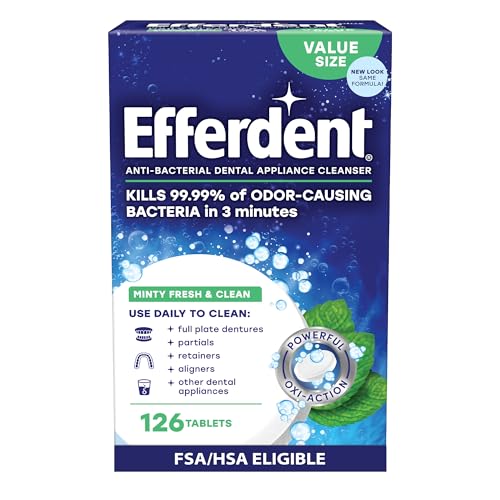
- Retainer cleaning tablets effervescent
- Ultrasonic cleaner for aligners


Before You Start
Prepare a clean workspace and rinse aligners under lukewarm water before treating them. Never use hot water, which can warp the plastic. Inspect aligners for scratches or cracks; damaged aligners should be discussed with a clinician. Keep cleaning solutions out of reach of children and pets.
Time estimates vary: a quick daily rinse takes about 1–2 minutes, while a more thorough cleaning with tablets or an ultrasonic unit may take 5–10 minutes.
Step-By-Step: How To Clean Aligners
- Rinse aligners under lukewarm water to remove loose debris.
- Place aligners in the designated cleaning solution from the aligner cleaning kit or a tablet designed for retainers.
- Follow tablet directions for dosage and soak time; avoid exceeding recommended durations.
- Gently brush the surfaces with a soft-bristled toothbrush if needed, using a non-abrasive, mild soap or cleaning solution.
- Rinse thoroughly under cool or lukewarm water to remove all cleaning residues.
- Optional: run an ultrasonic cleaner for a deeper clean, following device instructions and avoiding excessive cycles.
- Dry with a clean, lint-free cloth or let air-dry on a clean surface before placing back in the mouth.
- Store in a breathable case when not wearing to prevent microbial growth and keep away from heat sources.
Troubleshooting
| Symptom | Likely Cause | Fix | Prevention |
|---|---|---|---|
| Persistent cloudy appearance | Stubborn mineral deposits | Use a dedicated cleaning tablet and gently brush surfaces | Rinse after meals; avoid colored beverages with aligners in place |
| Unpleasant odor | Trapped bacteria | Soak as directed and clean with soft brush | Regular daily cleaning; avoid leaving aligners in open air too long |
| Discoloration | Improper cleaning solution or heat exposure | Switch to recommended solutions; never use hot water | Follow manufacturer guidelines closely |
| Warping or distortion | Exposure to heat or improper cleaning | Use lukewarm water only; limit soaking time | Store away from heat; handle with care |
Common Mistakes
- Using hot water or boiling water to clean aligners
- Over-soaking in cleaning tablets beyond recommended times
- Using abrasive brushes or toothpaste that scratches the surface
- Not rinsing thoroughly, leaving cleaning residues behind
Tips For Best Results
- Clean aligners at the same times each day to build a routine.
- Keep a travel cleaning kit for on-the-go maintenance.
- Rinse after meals before reinserting to minimize staining and odor buildup.
- Rotate cleaning methods if you notice persistent issues; the ultrasonic cleaner can complement regular cleaning.
Call A Professional
Contact a dental professional if aligners become warped, cracked, or cause unusual discomfort, or if there is persistent staining that cleaning cannot remove. Seek urgent care if there are signs of infection, significant pain, or loose fittings in your appliance.
FAQ
How often should I clean aligners?
Clean them daily to maintain hygiene and durability, with a deeper clean several times a week as needed.
Can I use regular toothpaste to clean aligners?
No. Regular toothpaste can be abrasive; use a mild soap or a product designed for aligners.
Is an ultrasonic cleaner necessary?
No, but it can enhance cleaning, especially for tough buildup, when used according to the device’s instructions.
Will cleaning tablets damage my aligners?
When used as directed, cleaning tablets designed for retainers are safe for aligners.
Buying Guide
Key factors to consider when choosing cleaning tools for aligners include size and portability, noise level if using an ultrasonic cleaner, energy efficiency, control options, and placement or storage considerations. A compact aligner cleaning kit is convenient for daily use at home or on the go. If you prefer deeper cleaning, an ultrasonic cleaner for aligners can be a valuable addition, provided it offers adjustable cycle times and a gentle setting. For ongoing maintenance, select retainer cleaning tablets effervescent that dissolve cleanly without leaving residue. When comparing options, consider compatibility with your aligner material, ease of use, and the manufacturer’s instructions to ensure safety and effectiveness. A well-chosen cleaning routine supports consistent whitening, fresher breath, and overall comfort during aligner wear.
Leave a Reply