How to Get Rid of Brown Lines on Teeth
Brown lines on teeth, often caused by surface staining or deeper enamel changes, can be stubborn. With a practical routine combining cleaning, whitening aids, and good oral hygiene, you can reduce visible lines and brighten your smile. This guide focuses on accessible methods suitable for most American households and integrates effective tools designed to tackle staining.
Understanding the difference between surface stains and intrinsic discoloration is key. Surface stains respond well to regular brushing and whitening products, while intrinsic discoloration might require professional evaluation. The steps below emphasize safe, at-home options that align with common dental care goals.
Quick Answer
For fast improvement, use a whitening routine that combines targeted stain removal with gentle daily cleaning. Start with an electric toothbrush in whitening mode to lift surface stains, supplement with a whitening kit or pen for persistent lines, and finish with consistent dental hygiene. If stains persist, consult a clinician for a more advanced approach.
What You’ll Need
- electric toothbrush whitening mode stain removal
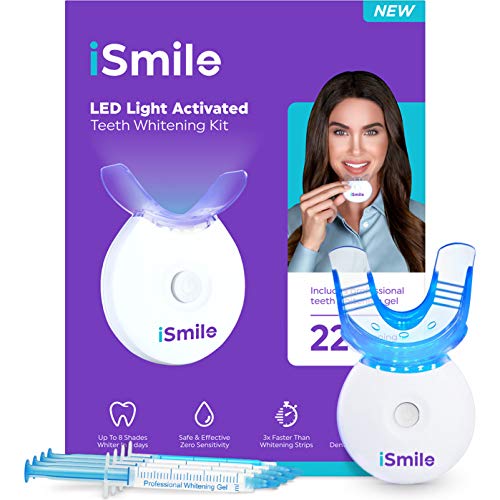
- teeth whitening kit LED whitening tray carbamide peroxide
- whitening pen for teeth stain removal


Before You Start
Prior to beginning, confirm you have no active dental issues such as open cavities or gum disease. Read product labels carefully to ensure compatibility with your enamel type. Plan a realistic timeline—most at-home whitening shows noticeable results within 1–3 weeks with consistent use. Avoid overuse of whitening products, which can irritate gums or damage enamel. If you have braces, veneers, or restorations, discuss whitening plans with a dentist to prevent uneven results.
Step-By-Step: How To Reduce Brown Lines On Teeth
- Prepare by brushing gently with your usual toothpaste to remove loose debris.
- Activate the whitening function on your electric toothbrush to begin lifting surface stains.
- Apply a whitening kit LED whitening tray with carbamide peroxide according to the package directions.
- Let the whitening tray sit for the recommended duration, avoiding food and drink that can re-stain immediately afterward.
- Reassess after treatment and note any areas where lines remain more pronounced.
- Use a whitening pen on targeted brown lines, applying a thin, even layer and allowing it to dry fully.
- Resume standard brushing and flossing routine twice daily to maintain results.
- Schedule follow-up treatments every few weeks if needed, but avoid continuous daily use beyond guidance.
Troubleshooting
| Symptom | Likely Cause | Fix | Prevention |
|---|---|---|---|
| Brown lines persist after treatment | Intrinsic discoloration or stain-prone enamel | Try a longer whitening cycle or combine tools; consult a dentist if needed | Maintain daily brushing with whitening-friendly toothpaste |
| Gum irritation after whitening | Overuse or prolonged contact | Pause use for a few days; apply a small amount of fluoride rinse after meals | Follow product directions precisely |
| Uneven whitening | Uneven exposure or dental work | Spot-treat affected areas with a whitening pen; consider professional guidance | Even routine and professional assessment for restorations |
| Tooth sensitivity | Active peroxide exposure or enamel thinning | Shorten treatment duration; use sensitivity-safe toothpaste | Limit frequency of whitening sessions |
Common Mistakes
- Overusing whitening products beyond recommended durations
- Skipping aftercare, especially avoiding stain-causing foods immediately after treatment
- Neglecting daily flossing which helps remove debris that can cause staining
- Ignoring underlying dental issues that require professional evaluation
Tips For Best Results
- Pair at-home whitening with a diet mindful of staining items like coffee, tea, and red wine
- Brush with a whitening toothpaste a few minutes after meals to minimize new stains
- Use the whitening pen for precise application on stubborn lines after tray whitening
- Stay hydrated to help maintain saliva flow, which aids in enamel protection
Call A Professional
Consider contacting a dentist if whitening results are uneven, if brown lines reappear quickly, or if you have concerns about enamel health or sensitivity. Seek urgent care if you experience severe or persistent gum pain, swelling, or signs of infection. Professional products or in-office treatments may provide stronger, safer results for challenging discoloration.
FAQ
Can brown lines on teeth be completely removed at home?
Many surface stains respond well to whitening tools and careful brushing, but intrinsic discoloration may require professional treatment for the most thorough results.
How often should I use whitening products?
Follow the manufacturer’s guidance; typically, short, intermittent sessions are safer than long, continuous exposure.
Is whitening safe for sensitive teeth?
Yes, with products designed for sensitivity and by limiting duration. Use a toothpaste formulated for sensitive teeth alongside whitening steps.
When should I see a dentist?
If you notice persistent sensitivity, gum irritation, uneven whitening, or if stains recur despite regular care, consult a dental professional.
Do whitening pens work on brown lines?
Whitening pens can target stubborn lines after primary whitening, but results vary by individual and stain depth.
Are there lifestyle changes that help prevent new stains?
Yes, reducing coffee, tea, tobacco, and highly pigmented foods, plus rinsing or brushing after meals, helps maintain whitening results.
Will whitening affect veneers or crowns?
Whitening agents do not change color of veneers or crowns; discuss expectations with a dentist before starting treatment.
Buying Guide
When selecting tools to address brown lines on teeth, consider size, performance, and how they fit into your routine:
- Size and coverage: Look for whitening trays or pens that address both broad surfaces and targeted lines without overexposure.
- Noise level: Some electric brushes with whitening modes operate quietly; test if possible, especially for kids or shared bathrooms.
- Energy efficiency: Rechargeable devices save ongoing costs and reduce waste; choose models with efficient batteries and long usage per charge.
- Controls: Intuitive controls and clear timing ensure you follow recommended durations safely.
- Placement: At-home kits should fit your mouth comfortably; consider trays that allow even contact with all surfaces.
- Durability: Reusable components like trays and handles should be durable and easy to clean.
- Safety features: Look for reduced-contact designs and warnings for sensitive users; ensure compatibility with existing dental work.
For best results, combine tools that target both broad surface stains and specific lines. Ask a clinician about your enamel type and any optimal whitening schedule. With the right approach, brown lines can soften and the smile can appear brighter over time.
Leave a Reply