How to Get Rid of Mustache Shadow
Mustache shadow, often caused by hair growth under the skin and hyperpigmentation, can be frustrating for many people seeking a smooth upper lip appearance. This guide offers practical, beginner-friendly methods and product options suitable for American users. It covers at-home options, safe practices, and when to seek professional help.
Quick Answer
Choose the method that suits your skin type and budget: for long-term results, consider an at-home laser hair removal device designed for the upper lip. For shorter-term options, try an electric facial hair remover or a waxing kit designed for the upper lip. Always patch-test new products and follow safety instructions.
What You’ll Need
- At-home laser hair removal device upper lip
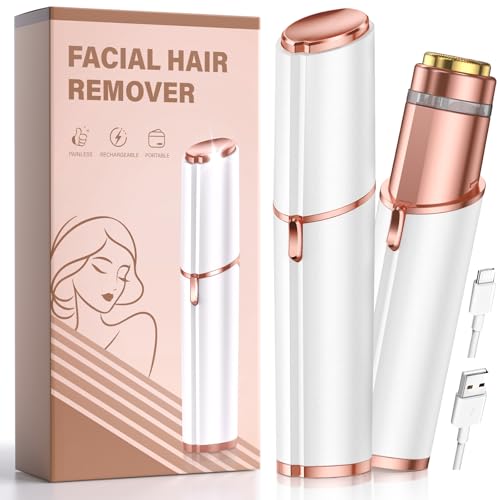
- Electric facial hair remover for upper lip
- Upper lip waxing kit


Before You Start
Assess your skin type and hair color before selecting a method. Fair-skinned individuals with dark hair often see the best results from laser devices, while darker skin tones may require devices with suitable safety features. Prepare the area by cleansing and drying the upper lip, then applying a light layer of talc or powder to reduce friction during waxing or threading. Always follow device-specific safety instructions and perform a patch test 24–48 hours before full use.
Time estimates vary by method: waxing can take 10–20 minutes, electric removers 5–10 minutes, and laser treatments require multiple sessions spaced weeks apart. Consider scheduling around your routine to minimize irritation and downtime.
Step-By-Step: How To Reduce Mustache Shadow
- Choose a target method: pick a long-term option like an at-home laser hair removal device upper lip, or a quick fix like an electric facial hair remover for upper lip.
- Prep the skin: wash with a gentle cleanser and pat completely dry; avoid heavy creams on the area before hair removal.
- Patch test: for laser devices, test on a small area 24–48 hours beforehand to check for adverse reactions.
- Follow device protocol: if using a laser device, follow the session length and frequency recommended by the manufacturer.
- Waxing technique (optional): warm the waxing kit to a safe consistency, apply in the direction of hair growth, press a strip firmly, and pull opposite to growth in one swift motion.
- Post-treatment care: apply a soothing antiseptic or aloe gel after waxing or laser sessions; avoid sun exposure and heavy scrubs for 24–48 hours.
- Consistency matters: laser-based methods require multiple sessions to reduce shadow as hair regrows thinner over time.
- Maintenance: for waxing, schedule regular touch-ups every 3–4 weeks; for electric removers, use as needed to prevent regrowth buildup.
- Monitor skin reaction: watch for redness, irritation, or prolonged itchiness; adjust frequency or switch methods if needed.
- Experiment with timing: some prefer performing treatments at night to reduce sun exposure risk and irritation during the day.
- Finish with a tone-morrect routine: if post-treatment redness persists, consider a lightweight moisturizer and sun protection during daylight hours.
- Review results and plan next steps: evaluate shadow reduction after a few weeks and decide whether to continue the current method or adjust.
Troubleshooting
| Symptom | Likely Cause | Fix | Prevention |
|---|---|---|---|
| Redness or irritation after waxing | Overly sensitive skin or improper technique | Use a lower-temp wax and shorter pulling motion; apply soothing gel | Patch-test; space sessions farther apart |
| Little to no reduction in shadow after laser | Insufficient sessions or device not suitable for skin tone | Review device specifications; extend treatment plan | Consult device guidelines or consider professional options |
| Hair regrowth feels thicker | Temporary regrowth cycles; improper technique | Stick to schedule; ensure proper hair growth direction for waxing | Switch methods if growth pattern changes |
| Irritation from electric remover | Razor-like pulling or dull blades | Replace blade head; use a gentle setting | Moisturize before and after use |
| Hyperpigmentation after sun exposure | Sun sensitivity post-treatment | Always shield skin with SPF; avoid peak sun hours | Daily sunscreen and protective clothing |
Common Mistakes
- Using the strongest setting on sensitive skin without a patch test.
- Waxing too close to the philtrum or using expired waxing kits.
- Ignoring sun protection after laser or waxing sessions.
- Skipping maintenance sessions, leading to uneven regrowth.
- Rushing steps during the Step-By-Step process, increasing irritation risk.
Tips For Best Results
- Schedule treatments in the evening when skin is less exposed to sunlight.
- Keep the upper lip area clean and dry before each session to improve effectiveness.
- Consider combining methods: laser for long-term reduction, and waxing for quick refinement during styling breaks.
- Use a cooling agent or aloe gel after removals to soothe irritation.
- Track results with a simple calendar to optimize treatment frequency.
Call A Professional
Consider consulting a dermatologist or licensed aesthetician if you notice persistent redness, swelling, blistering, or hyperpigmentation after any method. Seek professional evaluation if hair regrowth slows dramatically or if you have a history of skin conditions such as eczema or rosacea. Serious or sudden adverse reactions should prompt an in-person visit.
FAQ
Is upper lip waxing safe for all skin types?
Waxing is generally safe for most skin types when performed correctly, but those with very sensitive skin or a history of keloids should proceed with caution and consider a patch test.
How long does it take for laser hair removal to reduce mustache shadow?
Results vary, but most users see gradual thinning after 4–6 sessions spaced weeks apart; long-term improvements occur with continued treatment.
Can I use an electric facial hair remover every day?
Daily use can irritate the skin; follow product guidelines and give the skin time to recover between sessions.
What should I do if my skin reacts badly after waxing?
Apply a cool compress, avoid sun exposure, and use a soothing product; if irritation persists, consult a professional.
Are there natural remedies to reduce mustache shadow?
Natural options are limited in effectiveness; safe, tested methods include hair reduction devices and waxing, with attention to skin sensitivity.
Will shaving help with mustache shadow?
Shaving does not reduce shadow and can worsen it by creating stubble; it’s not a long-term solution for the shadow effect.
Do I need to stop using sunscreen after laser treatment?
No, sunscreen is essential after laser treatments to protect sensitive skin from sun damage and hyperpigmentation.
Buying Guide
A well-rounded buying decision considers several factors to minimize mustache shadow while protecting skin health.
- <bSize and coverage: For the upper lip, choose devices or kits that target small facial areas with precise treatment heads.
- Noise level: Quiet devices are ideal for home use, especially in shared living spaces or early morning routines.
- Energy efficiency: Look for energy-efficient laser devices with safe energy levels appropriate for facial skin.
- Controls and safety features: Auto shut-off, skin-tone sensors, and safety locks reduce misuse risks.
- Placement and ergonomics: A compact, easy-to-hold wand improves precision around the mouth area.
When evaluating options, consider how the tools align with your goals: long-term reduction via laser devices or convenient short-term removal with waxing or electric removers. Review warranty, customer support, and user reviews to gauge real-world performance. If you have sensitive skin, start with milder settings and gradually increase as tolerated. Always follow manufacturer instructions for best results and safety.
Leave a Reply