How to Clean Your Backyard Efficiently
Keeping a tidy backyard not only boosts curb appeal but also creates a safer and more inviting outdoor space. This guide outlines a practical, step-by-step approach using common tools to tackle dirt, leaves, and debris while protecting your lawn and hardscapes.
By following these methods, American homeowners can simplify seasonal cleanups and maintain a neat exterior year-round.
Quick Answer
Use a powered cleaner for hard surfaces, a leaf blower for debris, and a long-handled rake for thorough sweeping. Start with large debris, then wash hard surfaces, sweep or rake, and finish with a quick yard inspection to catch missed areas.
What You’ll Need
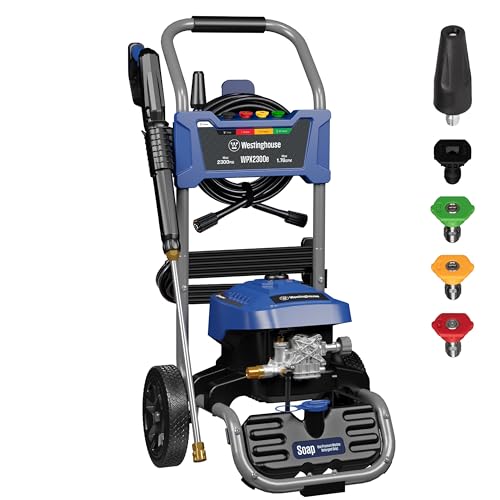
- Electric pressure washer 2000 psi with spiral spray nozzle
- Cordless leaf blower 40V with variable speed
- Telescoping aluminum garden rake 22-inch with ergonomic grip
- Stiff-bristle brush and broom
- Garden hose and spray nozzle
- Outdoor trash bags or a yard waste bin
- Safety gloves and eye protection


Before You Start
Assess the concrete, brick, wood deck, patio pavers, and lawn edges to determine appropriate cleaning methods. Protect delicate landscaping and plants by using a lower water pressure and avoiding overly strong jets near plant beds. Plan to work in mild weather to prevent slippery surfaces. Time estimates vary by area, typically 60–120 minutes for a standard backyard cleanup.
Step-By-Step: How To Clean Your Backyard
- Remove visible debris by walking the yard and picking up sticks, toys, and garden waste with your hands or a reinforced trash bag.
- Sweep and collect loose leaves with the telescoping aluminum garden rake, working from the perimeter toward a central pile.
- Blow lighter debris and stubborn dust from hard surfaces using the cordless leaf blower 40V at a low to medium setting to avoid scattering dust.
- Rinse surfaces with a garden hose to loosen dirt, then apply a targeted wash using the electric pressure washer 2000 psi equipped with the spiral spray nozzle for even coverage.
- Concentrate on high-traffic zones (porches, stairs, and driveway). Use a sweeping motion and overlapping passes to prevent streaks.
- Scrub stubborn stains on patios or siding with a stiff-bristle brush, then re-rinse with the pressure washer at a safe distance to prevent damage.
- Inspect edging and paver joints. If weeds or moss are present, treat with an appropriate outdoor cleaner and scrub as needed.
- Dry surfaces with a quick pass of air from the blower or allow time to air dry to prevent re-soiling.
- Bag and dispose of debris. Return outdoor furniture and items to their places, checking for hidden debris under cushions or planters.
- Do a final perimeter check to ensure no tools or trash remain, then conduct a quick stroll to verify even cleanliness across zones.
- Schedule regular maintenance intervals to keep the yard clean with minimal effort, such as a monthly sweep and seasonal deep clean.
- Document any maintenance challenges (stubborn stains or drainage), and adjust your approach for future sessions.
Troubleshooting
| Symptom | Likely Cause | Fix | Prevention |
|---|---|---|---|
| Streaks on concrete after washing | Uneven spray distance or blocked nozzle | Clean nozzle, adjust distance, and overlap passes | Maintain consistent stance and overlap |
| Leaves blowing back onto cleaned areas | Strong wind or improper blower angle | Angle away from surfaces and work with wind | Time tasks when wind speeds are low |
| Weeds in joints after washing | Moss or algae buildup | Apply appropriate cleaner and scrub joints | Perform annual cleaning and sealing if needed |
| Pressure washer losing power | Air in pump or clogged nozzle | Follow manual priming steps and clear nozzle | Regular maintenance and use clean water |
Common Mistakes
- Using too high pressure near wood decks or painted surfaces
- Overlooking shaded areas where algae persists
- Forgetting to wear eye protection or gloves
- Rushing through the process and missing spots
Tips For Best Results
- Always start from the farthest corner and work toward the exit to avoid re-clearing cleaned areas.
- Test a small area first to verify surface compatibility with the pressure washer.
- Keep the spiral nozzle at a consistent distance to prevent etching or streaking on hard surfaces.
- Use the variable speed leaf blower to adjust power when moving around delicate plants or edging.
- Store tools properly after use to prevent damage and prolong equipment life.
Call A Professional
Consider contacting a pro if there are structural concerns, such as damaged concrete, moss-heavy driveways, or persistent mold on siding. Stop signs include persistent staining after cleaning, unpleasant odors, or signs of mold growth spreading despite maintenance.
FAQ
What is the best order for backyard cleanup?
Begin with clearing debris, followed by blowing leaves, washing hard surfaces, scrubbing stains, and finally edging and reseating furniture.
Can I use a pressure washer on wood decks?
Only at low pressure and with a wide spray pattern; test a small area and avoid high heat and aggressive jets that can damage wood.
How often should I perform a backyard cleaning?
Seasonal deep cleans plus brief monthly touch-ups keep surfaces in good condition and prevent buildup.
What maintenance should I perform on the equipment?
Inspect hoses and nozzles for leaks, clean filters, and store batteries charged but not fully exhausted for long-term battery health.
Is it okay to use cleaning chemicals?
Yes, but use eco-friendly outdoor cleaners and follow label directions to protect plants and pets.
Buying Guide
When selecting gear for backyard cleaning, consider several factors to match your space and routine.
- Size and power: For most homes, a electric pressure washer 2000 psi provides ample cleaning without heavy fuel use. Larger spaces may benefit from higher pressure models, but weigh surface safety.
- Noise and efficiency: Look for a model with adjustable pressure and a quiet operation mode to minimize disturbance, especially in neighborhoods.
- Controls and ergonomics: Choose tools with comfortable grips, adjustable handles, and intuitive controls to reduce fatigue during longer sessions.
- Placement and storage: Consider tools with compact footprints or telescoping features for easy storage in sheds or closets.
- Multi-tool compatibility: A cordless leaf blower and a telescoping rake complement a cleaning routine by handling leaves, dust, and debris without cords.
- Maintenance needs: Check warranty and replacement parts availability for long-term reliability.
- Safety features: Look for protective guards, splash shields, and automatic shutoffs to prevent accidents.
With the right combination of tools—the electric pressure washer, the cordless leaf blower, and the telescoping garden rake—homeowners can tackle large driveways, patios, and lawn edges efficiently. Consider your space, climate, and typical debris load to choose a setup that balances power, portability, and budget.
Leave a Reply