How to Get Rid of Birds Effectively and Humanely
Birds can be a nuisance when they nest in eaves, gardens, or around outdoor living spaces. This guide provides practical, safety‑mocused strategies that work in American settings, from deterrents to maintenance habits. The aim is to reduce bird presence without harming wildlife.
By combining physical barriers, electronic deterrents, and smart placement, homeowners can address common problem areas while respecting local wildlife guidelines. The approach emphasizes gradual, humane results and follows best practices for outdoor spaces where families and pets frequent.
Quick Answer
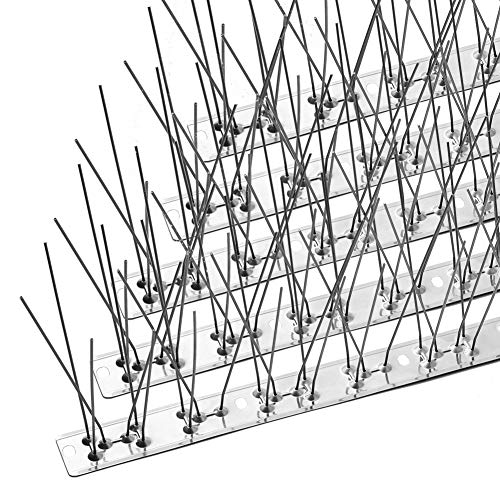
Use a layered approach: install stainless steel bird spikes 7-inch outdoor deterrent on ledges and rooftops, deploy an ultrasonic bird repeller outdoor plug-in to deter nearby flocks, and cover vulnerable ground areas with garden bird netting 2×50 ft pest deterrent to prevent nesting. Regular maintenance and movement of deterrents improve long‑term effectiveness.
A Quick List Of What You’ll Need
- stainless steel bird spikes 7-inch outdoor deterrent
- ultrasonic bird repeller outdoor plug-in
- garden bird netting 2×50 ft pest deterrent
- Wire cutters or scissors for netting trimming
- Measuring tape and marker for precise placement
- Ladder or stable stepping platform
- Gloves, safety goggles, and a dust mask if needed


Before You Start: Safety, Prep, And Time
Assess the areas where birds are most active: eaves, gutters, ledges, decks, and garden beds. Clear clutter and potential roosting spots. Safety is essential—work from a stable ladder, wear gloves, and avoid installing deterrents on electrical fixtures without proper mounting. Allow a weekend or two for placement adjustments and to observe early results. Important: deterrents may require permission on rental properties or homeowners associations, and local wildlife guidelines should be respected.
Step-By-Step: How To Use The Deterrents Effectively
- Inspect all target areas for existing nests or debris. Remove old nests only when birds are not present, following local guidelines.
- Install stainless steel bird spikes 7-inch outdoor deterrent along ledges, window sills, and horizontal surfaces where birds perch. Space spikes evenly and trim to fit irregular edges.
- Affix spikes securely with appropriate hardware. Ensure smooth edges to prevent injury to birds and to humans.
- Place the ultrasonic bird repeller outdoor plug-in in a location with a clear view of the primary roosting zones, avoiding direct exposure to rain or snow if the unit isn’t weatherproof.
- Test the ultrasonic device to confirm audible alerts and adjust the sensitivity if the unit supports it. Observe birds’ immediate reactions from a safe distance.
- Position garden bird netting 2×50 ft pest deterrent over garden beds, fruit trees, or pond margins where nesting has occurred or is likely. Secure netting to prevent gaps and ensure it remains taut.
- Attach edges to fences, posts, or stakes to prevent birds from lifting the netting. Use clips or zip ties if necessary, but avoid damaging plants.
- Regularly inspect deterrents for wear, rust, or damage after storms. Reapply or replace components as needed to maintain effectiveness.
- Rotate deterrent placements every few weeks to prevent birds from adapting to a single setup. Minor changes can improve long‑term results.
- Combine deterrents with habitat modification: prune overgrown trees, remove food sources, and clean up fallen fruit to reduce attraction.
- Monitor results for several weeks. If activity persists, consider adding additional barriers or consult a local wildlife professional for tailored strategies.
Troubleshooting
| Symptom | Likely Cause | Fix | Prevention |
|---|---|---|---|
| Birds return quickly after deterrence | Deterrents are easily bypassed or poorly positioned | Reposition deterrents, add more spikes or netting, increase coverage | Regularly inspect and maintain all barriers |
| Netting tears or sags | Improper tension or sharp edges | Re‑tighten, trim sharp edges, replace damaged sections | Use protective edging and proper knots when installing |
| Ultrasonic unit seems ineffective | Device distance or interference from weather | Move unit closer to roosts, ensure weatherproofing, replace batteries | Rotate the device location periodically |
| Nests discovered under eaves | Nesting season activity | Remove nests only when safe and permitted; strengthen barriers | Pre‑season deterrents before nesting starts |
Common Mistakes To Avoid
- Overlooking edges and corners where birds perch
- Relying on a single deterrent for long periods
- Failing to secure netting properly, leading to gaps
- Using deterrents in ways that trap wildlife or create safety hazards
Tips For Best Results
Consistency matters. Reposition barriers periodically to prevent birds from adapting. Combine barriers with habitat management—remove food sources and prune dense foliage that attracts flocks. Keep deterrents clean and free of debris to maintain effectiveness. For best outcomes, tailor the setup to the specific property layout, considering sun exposure, wind patterns, and nearby roosting sites.
Call A Professional
Consider contacting a wildlife control professional if birds continue to cause damage after multiple deterrent upgrades, if nests are frequent in hard‑to‑reach areas, or if legal restrictions on bird control are present in the region. Stop signs include persistent nesting during protected seasons, relocation requests for protected species, or when deterrents cause safety concerns for residents or pets.
FAQ
Will bird spikes harm birds?
No. They are designed to prevent perching, not to injure birds; they encourage birds to move to safer, alternative roosting sites.
Are ultrasonic repellers safe for pets and people?
Most are safe when used as directed, but some devices may affect sensitive animals or be less effective indoors; check product guidelines.
How long do deterrents last?
With proper maintenance, spikes and netting can last several seasons, while ultrasonic units may require periodic replacement of batteries or units for weather resilience.
Can I install these myself on rental property?
Yes, but obtain landlord or HOA permission and ensure modifications comply with local codes and guidelines.
Buying Guide
When choosing bird deterrents, consider size, placement, and maintenance needs. For vertical perching areas, stainless steel bird spikes 7-inch outdoor deterrent provide a sturdy barrier that resists weathering. For general airspace, an ultrasonic bird repeller outdoor plug-in can cover broader zones but may require positioning adjustments. Ground coverage and nesting prevention benefit from garden bird netting 2×50 ft pest deterrent. Look for UV resistance, weatherproof ratings, and easy installation.
Key buying factors include size and coverage, noise or wave patterns of ultrasonic units, energy efficiency (battery or plug-in options), and the ability to place deterrents without obstructing entryways or landscaping. Consider multi‑layer setups to reduce the chance of birds adapting. Placement flexibility matters—deterrents should be easy to move if problems migrate to new areas. Finally, check warranty terms and customer support for longer‑term peace of mind.
Leave a Reply