How to Clean a Couch Without a Steam Cleaner
Keeping a couch clean without a steam cleaner is achievable with common household tools and a little patience. This guide outlines practical methods to remove stains, freshen fabric, and maintain a sofa’s appearance using readily available products and safe techniques for most upholstery fabrics.
Quick Answer
Mix a gentle fabric cleaner or mild dish soap with water, lightly mist the sofa, and blot with a clean cloth. Use a handheld upholstery cleaning brush kit for targeted spots, then vacuum with an upholstery attachment to remove loosened debris. Repeat as needed and air-dry completely before using the sofa again.
What You’ll Need
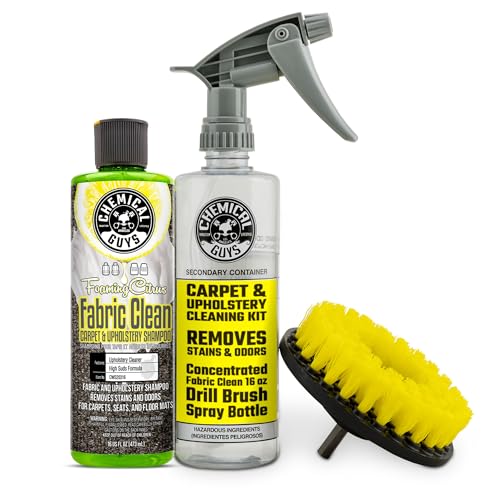
- Upholstery cleaner spray for sofas 32 oz fabric stain remover
- Handheld upholstery cleaning brush kit for couches
- Vacuum with upholstery attachment tool for sofa cleaning


Before You Start
Check fabric care instructions on the sofa label (look for “W,” “S,” or “WS”). For delicate materials, test any cleaner on a hidden area first and allow to dry. Work in a well-ventilated space and protect nearby surfaces with towels. Time estimate: 30–60 minutes for initial clean; allow several hours for complete drying. Important: never apply excessive moisture, as saturated fabric can lead to mold or water stains.
Step-By-Step: How To Clean A Couch Without A Steam Cleaner
- Vacuum the entire surface thoroughly, including cushions and crevices, using the upholstery attachment to remove loose dirt and debris.
- Address fresh stains first by blotting with a clean, dry cloth to absorb as much liquid as possible without rubbing in the stain.
- Apply a light mist of upholstery cleaner spray for sofas or a mild soap solution to a microfiber cloth, not directly onto the fabric.
- Gently comb or brush the fabric with the handheld upholstery cleaning brush kit for couches to lift dirt from the fibers, working in small sections.
- Blot the area with a clean, damp cloth to remove soap residue, then blot again with a dry towel to remove excess moisture.
- For stubborn spots, reapply the cleaner to a cloth and repeat the brushing and blotting process, avoiding over-wetting the fabric.
- Let the sofa air-dry completely in a well-ventilated room. Use a fan to speed up drying if needed, but do not sit on the sofa until fully dry.
- Once dry, vacuum again with the upholstery attachment to lift fibers and restore texture.
Troubleshooting
| Symptom | Likely Cause | Fix | Prevention |
|---|---|---|---|
| Streaks after cleaning | Uneven application or excess moisture | Blot with a dry towel and lightly re-dampen a cloth to even out | Test cleaner, apply sparingly, and work in small sections |
| Smell lingering | Moisture trapped in cushions | Increase air circulation and extend drying time | Open windows, use a fan, or place a dehumidifier nearby |
| Colors running or fading | Harsh cleaner or fabric sensitivity | Stop using the cleaner and rinse with clean water | Test on hidden area before full use |
| Stains return after drying | Residual stain or improper removal | Repeat targeted cleaning on the stain | Treat stain promptly |
Common Mistakes
- Using too much water or soaking the fabric
- Rubbing stains aggressively, which can spread them or damage fibers
- Skipping a fabric test on an inconspicuous area
- Not allowing full drying, leading to mildew or odor
Tips For Best Results
- Choose a cleaner that matches your sofa’s fabric type (W, S, or WS labels).
- Work in natural light to better see stains and color changes.
- Use circular motions with the brush to lift fibers without damaging them.
- Always finish with a thorough vacuum to remove loosened dirt and cleaner residues.
Call A Professional
Consider a professional upholstery cleaning if the sofa has: deep-set stains that resist removal, strong odors, visible mold, or delicate fabrics such as silk or leather. Seek immediate help if there are signs of water damage or fabric deterioration.
FAQ
Can I clean all fabrics with a simple soap solution?
Most common fabrics respond to mild soap and water, but always follow the care label and test a hidden area first.
Is a steam cleaner necessary for tough stains?
No, but persistent stains may require professional equipment or specialized cleaners designed for upholstery.
How long should I wait before using the sofa again after cleaning?
Allow full drying time, typically several hours, before normal use.
Can I use bleach or color-removing products on my couch?
Avoid harsh whiteners or color-safe products unless the fabric care label explicitly allows them.
Buying Guide
When shopping for upholstery care tools, consider size and compatibility with your sofa, noise level, energy efficiency, and ease of use. Key buying factors include:
- <bSize and weight: A compact vacuum with an upholstery attachment is easier to maneuver on sofas and in tight spaces.
- <bNoise level: Look for quieter models to avoid disrupting households, especially in apartments.
- <bEnergy efficiency: Choose devices with efficient motors and low wattage where possible to save energy.
- <bControls and versatility: Simple spray bottles, adjustable brushes, and multi-surface cleaners extend usability beyond sofas.
- <bPlacement and ergonomics: A lightweight handheld brush kit should feel comfortable in hand and reach cushions, seams, and legs.
Perspective matters when comparing options. For example, a 32 oz fabric stain remover paired with a handheld brush offers convenient spot cleaning, while a vacuum with an upholstery attachment can handle larger areas efficiently. Consider your living space, fabric type, and stain frequency to choose a setup that fits daily life and long-term maintenance.
Leave a Reply