How to Get Rid of Fungus Gnats in Houseplants
Fungus gnats are common pests for indoor gardeners. They thrive in moist potting soil and can quickly overwhelm a healthy plant collection if not managed. This guide delivers practical steps, product options, and best practices to reduce adult gnats and break the life cycle in your home’s greenery.
Quick Answer
Target the larval stage in soil with a combination of biological controls and soil-drying techniques. Use sticky traps to monitor adults and prevent them from laying more eggs. For fast results, combine fungus gnat control gel bait, BTI mosquito dunks fungus gnat larvicide, and blue sticky traps for fungus gnats 2-pack, following label directions.
What You’ll Need
- Fungus gnat control gel bait for targeted larval feeding in potting soil
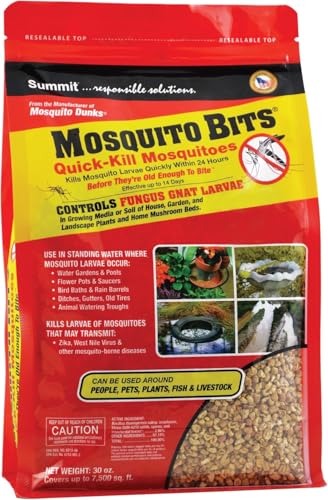
- BTI mosquito dunks fungus gnat larvicide in water-soluble form for soil drenches
- Blue sticky traps for fungus gnats 2-pack to catch adults
- Moisture management tools (top-dressing or sand to deter soil moisture)
- General gloves and cleaning supplies for potting area


Before You Start
Check plant pots for drainage and ensure saucers are emptied after watering to avoid persistently wet soil. Wear gloves when handling soil and products and follow all label directions. Expect the treatment to span several days to a couple of weeks as gnats complete their life cycles. Plan to address multiple plants if several pots show signs of gnats.
Step-By-Step: How To Get Rid Of Fungus Gnats
- Identify infested pots by looking for tiny dark insects near soil and on leaf undersides, plus the signature fizzy drips when you water.
- Remove the top 1/4 inch of soil from heavily infested pots and replace with fresh, sterile potting mix to remove larvae.
- Apply fungus gnat control gel bait according to label directions around the surface of the soil to disrupt larval feeding.
- Mix and apply BTI mosquito dunks fungus gnat larvicide as a soil drench to dampen larvae inside the root zone; repeat as directed.
- Water plants carefully to avoid creating consistently soggy soil; allow the top layer to dry between waterings to curb larvae development.
- Place blue sticky traps for fungus gnats 2-pack around affected pots and at plant heights to capture adults and monitor activity.
- Consider mulching the soil with a thin layer of sand or decorative gravel to reduce surface moisture and deter adult gnats from laying eggs.
- Inspect nearby plants for signs of infestation and adjust care routines to minimize humidity and organic debris in the potting area.
- Reuse a regular cleaning cycle: wipe pot rims, clean the interior of pots, and rotate or relocate plants if needed to break gnats’ breeding sites.
- Track progress over 1–2 weeks; if gnats persist, repeat gel bait and larvicide applications per product guidelines.
- Integrate ongoing maintenance: routine soil drying between waterings, regular trap checks, and removal of decaying plant material.
- When populations drop, taper controls but keep monitoring with sticky traps to prevent rebound.
Troubleshooting
| Symptom | Likely Cause | Fix | Prevention |
|---|---|---|---|
| Many flying gnats near soil surface | Adult emergence from soil | Place blue sticky traps; apply soil drenches as directed | Allow soil to dry between waterings |
| Gnats return after treatment | Undersized treatment area or re-wetting | Reapply gel bait and larvicide per label; improve drainage | Regularly monitor with traps; remove decaying debris |
| Soil remains damp for long periods | Overwatering or poor drainage | Improve pot drainage; re-pot with fresh soil mix | Water less frequently; use pots with drainage holes |
| Sticky traps show little catch | Low adult activity in room | Reposition traps closer to plant base and under leaves | Use fans to disrupt gnats’ flight patterns |
Common Mistakes
- Overwatering plants, which sustains larvae in soil
- Relying on a single control method rather than combining larval and adult controls
- Ignoring multiple infested pots at once, allowing gnats to move between plants
- Discarding soil too aggressively without replacing it or addressing drainage
Tips For Best Results
- Combine larval control with adult monitoring for a complete approach
- Space out watering and allow soil to dry between sessions to disrupt the gnats’ life cycle
- Keep affected areas clean and free of fallen leaves or debris
- Rotate plants to reduce localized humidity pockets that favor gnats
Call A Professional
Consult a professional if you still see heavy gnat activity after two treatment cycles, if you have sensitive houseplants or if the infestation spans a large area or greenhouse. Seek expert help when you suspect root damage or unusual symptoms beyond typical fungus gnats.
FAQ
What causes fungus gnats indoors?
Fungus gnats thrive in moist organic-rich soil and dim lighting, often introduced via new plants or overwatering.
Are BTI products safe for pets and people?
BTI products are generally safe when used as directed, but always follow label instructions and keep pets away during application.
How long does control take?
Results can appear within days, but complete suppression may take 1–3 weeks depending on infestation and plant care.
Can I re-use soil after treatment?
Rely on fresh, sterile potting mix if you remove contaminated soil; otherwise, improve drainage and monitor closely.
Should I replace soil after every watering?
No. Allow topsoil to dry between waterings and adjust your watering schedule to prevent a persistent damp environment.
Do sticky traps attract more gnats?
Sticky traps increase sightings but do not control larvae; they are most effective when used with soil treatments.
Is it okay to use multiple products at once?
Yes, but follow label directions to avoid over-application or potential interactions.
Buying Guide
When selecting products to combat fungus gnats, consider size of the infestation and plant collection, noise level in any humid workspace, energy efficiency of care routines, and ease of use. Look for clear application instructions, compatible delivery formats (gel bait, larvicide, and traps), and packaging that fits your plant setup.
Key buying factors include:
- Size of the infestation and number of affected plants
- Product effectiveness for larval control and adult suppression
- Ease of application and minimal disruption to plant care
- Placement flexibility for traps and irrigation adjustments
- Compatibility with your existing potting mix and humidity levels
Comparing options helps: a soil-drench larvicide combined with a gel bait often performs well, while blue sticky traps provide ongoing monitoring. Consider a kit that includes multiple tools for a coordinated approach, especially if you manage several indoor plants.
Leave a Reply