How to Clean Laminate Floors That Are Not Waterproof
Laminate flooring offers a modern look, but many varieties aren’t waterproof. Cleaning them requires care to avoid swelling, warping, or dulling the finish. This guide focuses on safe, practical methods and products suited for non-waterproof laminate floors in American homes.
When choosing cleaning tools and solutions, select options that are gentle on surfaces yet effective at removing dirt, grime, and footprints without leaving residue. Proper technique, not just products, protects the floor’s appearance and longevity.
Quick Answer
Use a damp, not wet, microfiber mop with a pH-neutral laminate floor cleaner. Wipe up spills immediately, avoid soaking seams, and dry the floor promptly. For best results, maintain a routine that minimizes moisture exposure and uses replacement pads regularly to prevent scratching.
What You’ll Need
- Microfiber flat mop for laminate floors 18 inch
- pH neutral laminate floor cleaner spray bottle 32 oz
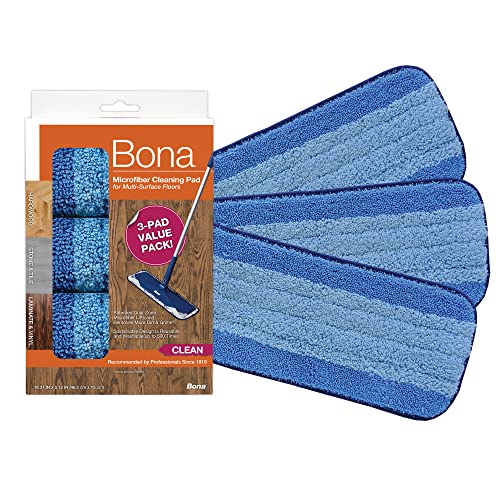
- Microfiber mop replacement pads for laminate floors


Before You Start
Clear the space and remove loose debris with a soft broom or dry microfiber pad. Vacuum on a hard floor setting if available, avoiding a beater bar that could scratch. Use gentle cleaning solutions and a damp mop rather than a soaking one. Protect borders and underlayment by not letting water pool on edges or seams. Estimate 15–30 minutes for a standard room, longer for large areas or heavy soiling.
Important cautions: never spray cleaner directly on the floor; spray onto the mop first. Avoid steam mops and excessive moisture, which can seep into seams and cause swelling.
Step-By-Step: Cleaning Laminate Floors That Aren’t Waterproof
- Prepare the mop: attach a clean microfiber replacement pad to the 18 inch mop head.
- Lightly mist the mop with the pH-neutral cleaner or apply cleaner to the pad as directed on the bottle.
- Start in a corner and work in straight lines, not in circular scrubs, to prevent dulling the finish.
- Wipe with the grain of the floor and avoid pushing water toward door frames or baseboards.
- Frequently rinse the mop pad and rotate to a clean section to prevent spreading dirt.
- Address sticky spots by applying a bit more cleaner to the pad and gently buffing with a microfiber pad.
- For spills, blot immediately with a dry towel, then wipe with a damp pad once the spill is picked up.
- Let the floor air-dry or dry with a clean, dry microfiber pad to remove any residual moisture.
- Inspect high-traffic areas for dullness or residue; repeat lightly if needed.
- Store the kit in a cool, dry place and reuse pads after laundering per manufacturer instructions.
- Schedule routine cleanings to prevent buildup and protect finishes.
Troubleshooting
| Symptom | Likely Cause | Fix | Prevention |
|---|---|---|---|
| Cloudy or streaky floors after cleaning | Residue from cleaner or detergent buildup | Switch to a pH-neutral cleaner and wipe with a damp, not wet, pad | Rinse pad frequently; avoid adding extra cleaners |
| Water spots near seams | Excess moisture seeping into seams | Dry floors thoroughly; don’t spray directly on the floor | Use minimal moisture; wipe spills immediately |
| Scratches after mopping | Dirty pads or abrasive particles | Use clean pads; shake out and launder pads regularly | Inspect pad quality before use |
| Rigid, dull finish in high-traffic areas | Wear from daily use | Use gentle cleaners and rotate areas for cleaning intensity | Place rugs at entryways |
Common Mistakes
- Over-wetting the floor or letting water pool on seams.
- Using harsh or solvent-based cleaners that can remove finish.
- Using a stiff brush or dirty pads that scratch the surface.
- Spraying cleaner directly onto the floor instead of the mop.
Tips For Best Results
- Opt for a dedicated pH-neutral laminate cleaner to preserve finish.
- Regularly replace or wash microfiber pads to avoid transferring grit.
- Shake out pads outside after use to remove trapped dirt before laundering.
- Work in well-lit, unobstructed sections to monitor moisture control.
Call A Professional
Consider a professional if there are signs of major damage, such as swelling, warping, or persistent discoloration that does not improve with routine cleaning. If damage affects adhesive seams or underlayment, a pro’s assessment can prevent further issues and determine if replacement is needed.
FAQ
Can I use warm water to clean laminate floors?
Warm water can be acceptable in small amounts, but avoid excess moisture. Use a damp mop with a pH-neutral cleaner.
Is vinegar safe for laminate floors?
Vinegar is not recommended for most laminate finishes; it can dull the surface over time. Stick to pH-neutral cleaners.
How often should I mop laminate floors?
Frequency depends on traffic, but a light weekly wipe-down and a deeper clean every 1–2 weeks works well for many homes.
What should I do about stubborn stains?
Gently treat with a small amount of cleaner on the pad, avoiding harsh scrubbing. If stubborn stains persist, consult the floor manufacturer’s care instructions.
Can I use a steam mop on laminate floors?
No. Steam mops introduce excess moisture that can damage non-waterproof laminates and void warranties.
Is it safe to use a spray bottle directly on the floor?
Prefer spraying onto the mop pad, not directly on the floor, to control moisture and prevent pooling.
Buying Guide
When selecting cleaning tools and products for non-waterproof laminate floors, consider size, noise, and ease of use. A standard 18 inch microfiber flat mop covers more area with less effort and typically operates quietly. Noise levels are generally low with microfiber systems, making daily cleaning unobtrusive. Look for a pH-neutral laminate floor cleaner to protect finishes while effectively removing grime. Controls should be simple and clearly labeled, with a spray bottle you can aim precisely onto the pad. Placement-wise, keep all cleaning supplies within reach but away from heat sources and out of reach of children or pets. For best results, choose compatible accessories that fit your mop head and replacement pads storage needs. Consider a set that includes spare pads and a travel-size cleaner for quick spot cleans. Finally, verify compatibility with your floor’s manufacturer care guidance to ensure warranty compliance.
Leave a Reply