How to Clean Garden Stones
Garden stones add texture and personality to outdoor spaces, but buildup from dirt, algae, and moss can dull their appearance. This guide walks through a practical, step-by-step method to refresh garden stones and patio pavers using common tools and a few specialty products. The approach is safe for most stone types and highlights best practices for long-lasting results.
With the right approach, routine cleaning becomes quicker and more effective, keeping stone surfaces vibrant without damaging the porous material or grout lines. The steps below balance accessibility and performance for American homeowners managing driveways, pathways, and garden patios.
Quick Answer
Fast method: Sweep debris, wet the surface, apply a stone-safe cleaner, scrub with a stiff nylon brush, rinse thoroughly, and repeat as needed for stubborn stains. For power-assisted cleaning, consider an electric pressure washer within recommended PSI levels to avoid etching or chipping.
What You’ll Need
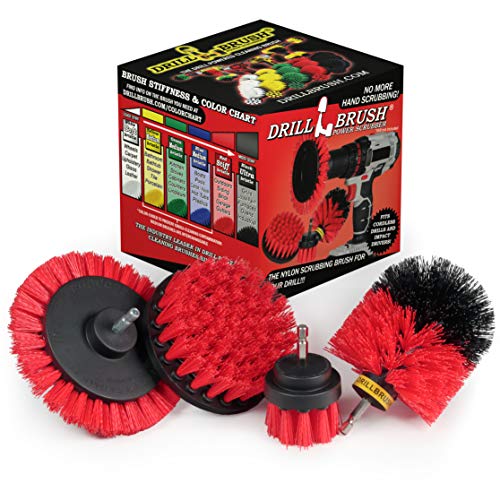
- Stiff nylon outdoor scrub brush for cleaning garden stones patio pavers
- Paver and stone cleaner concentrate 128 oz for concrete garden stones
- Electric pressure washer 1800-2000 PSI with 25 ft hose for stone patio cleaning
- Garden hose with adjustable spray nozzle
- Bucket, sponge, and non-metallic scrub pad (for delicate areas)


Before You Start
Assess the stone type (granite, limestone, slate, or concrete pavers) and choose cleaning agents accordingly. Test a small, inconspicuous area first to ensure colorfastness and surface integrity. Protect nearby plants and grass by wetting them down or covering with plastic sheeting. If you plan to use a pressure washer, set it to a lower PSI initially and keep the nozzle at a consistent distance from the surface to avoid damage. Wear eye protection and gloves during cleaning, and avoid using harsh chemical mixes near foliage.
Step-By-Step: How To Clean Garden Stones
- Clear the area of loose debris, leaves, and dirt with a broom or blower.
- Rinse the surface with water to loosen embedded grime and cool the stone, reducing the risk of damage.
- Mix a cleaning solution using the paver and stone cleaner concentrate according to label directions. For small areas, a dilution in a bucket usually suffices.
- Apply the cleaner evenly across the stones, focusing on high-traffic or stained patches. Allow the product to sit briefly to break down organic buildup.
- Scrub with the stiff nylon outdoor scrub brush in a circular motion, paying attention to grout lines and crevices where dirt collects.
- Rinse thoroughly with a hose or pressure washer. If using a pressure washer, keep the nozzle at a safe distance and use a broad spray pattern to minimize surface impact.
- For stubborn stains, repeat the application and scrubbing step. Avoid letting cleaner dry on the surface, which can cause residue or streaking.
- Dry the area completely before reusing the space. Consider a light once-over with the brush after drying to lift any remaining debris.
- Inspect for remaining stains or moss growth. Apply an extra treatment to problem spots if necessary, and rinse again.
- Seal or protect the stones if they have a porous surface or if you notice rapid recolonization by algae after cleaning. Use a sealer compatible with concrete garden stones and follow manufacturer instructions.
- Schedule periodic maintenance to prevent buildup, especially in shaded or damp areas where moss tends to recur.
Troubleshooting
| Symptom | Likely Cause | Fix | Prevention |
|---|---|---|---|
| Streaks after cleaning | Residue from cleaner or hard water | Rinse thoroughly; re-wash with clean water | Use proper dilution and avoid leaving cleaner on surface |
| Moss returns quickly | Shade, moisture, and porous stone | Apply a preventive treatment; increase sunlight exposure if possible | Improve drainage; consider periodic cleaning schedule |
| Etching or dull spots after washing | High PSI or acidic cleaner | Reduce pressure, switch to a milder cleaner | Test area first; use stone-safe products |
| Color fading after sealant | Improper sealer or over-application | Follow product directions; apply thin coats | Choose a compatible sealer for the stone type |
Common Mistakes
- Using a metal-bristle brush on natural stone, which can scratch surfaces
- Applying harsh chemicals or concentrated cleaners directly without dilution
- Over-wetting porous stones, causing water intrusion and efflorescence
- Ignoring safety gear, especially eye protection during pressure washing
Tips For Best Results
- Test cleaners on a hidden area before full application to prevent color loss
- Pre-wet plants and lawn to minimize chemical exposure
- Work with the natural grain of stone surfaces to reduce streaks
- Alternate brushing patterns to avoid creating uneven wear on pavers
- Consider seasonal cleaning to maintain appearance, especially after winter salts and debris
Call A Professional
Call a pro if there is significant staining that does not respond to cleaning, if the stone appears cracked or chipped, or if sealing requires expertise beyond routine maintenance. Seek assistance promptly if you notice widespread efflorescence, structural movement in pavers, or signs of mold growth that may indicate moisture problems.
FAQ
What cleans garden stones best without damaging them?
A stone-safe cleaner combined with a stiff nylon brush and a careful rinse works well for most garden stones.
Can I use a pressure washer on stone patios?
Yes, but set the washer to 1800–2000 PSI maximum and keep the nozzle at a safe distance to prevent etching.
How often should I clean garden stones?
quarterly cleaning helps prevent buildup, with spot cleaning as needed after storms or heavy use.
Should I seal garden stones after cleaning?
Sealants can protect porous surfaces; ensure compatibility with your stone type and follow the product directions carefully.
Is it okay to use household bleach on concrete stones?
Household bleach can be harsh; use a dedicated stone cleaner and dilute properly if advised by the product label.
Buying Guide
When choosing tools and cleaners for garden stones, consider size, noise level, energy efficiency, controls, and placement. For most homeowners, a stiff nylon outdoor scrub brush paired with a paver and stone cleaner concentrate provides a reliable baseline for routine maintenance. An electric pressure washer offers faster results for large areas, but settings must be matched to the stone type to avoid damage. Place cleaners and equipment where outdoor outlets, hoses, and storage space are accessible. Compare cleaning efficiency, reuse of concentrates, and compatibility with concrete and natural stone surfaces to ensure long-term value. If space is limited, select compact tools with spill-resistant containers and easy-to-store nozzles. For busy households, consider a spray-and-scrub workflow to minimize labor without sacrificing results. Always follow product instructions for dilution, contact time, and safety. This approach helps maintain the natural beauty of garden stones while extending the life of patios and pathways.
Leave a Reply