How to Clean Feather Pillows: A Practical Guide for American Homes
Feather pillows offer plush comfort, but keeping them clean requires careful steps to preserve their loft and prevent clumping. This guide explains a safe, simple method to refresh feather and down pillows using commonly available supplies. The goal is to extend pillow life while maintaining softness and support for a good night’s sleep.
Quick Answer
Quick Method: Check pillow care labels, use a gentle detergent, wash on a warm-to-copy cycle, and thoroughly rinse. Dry with low heat or air-dry in a dryer with clean tennis balls or dryer balls to restore fluff. Expect 2–3 hours of active work plus drying time.
What You’ll Need
Prepare these tools and materials before you start. The following items are commonly recommended for feather pillow cleaning:
- Delicate laundry bag for washing pillows feather down 100% cotton to protect pillows in the washer
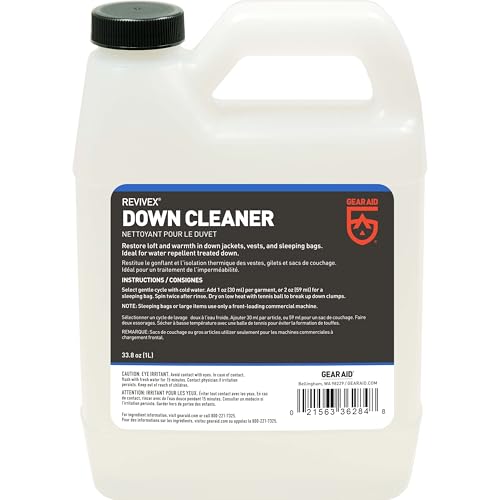
- Gentle detergent for down and feather pillows 32 oz formulated to clean without stripping oils
- Pillow cleaning kit for feather down pillows including accessories for rinsing and fluffing


Before You Start
Preparation helps prevent damage and ensures effective cleaning. Gather supplies, read care labels, and choose the right wash cycle. Always verify fill material and washing recommendations on the pillow tag, as some pillows require spot cleaning only. Clear a spacious area for drying, and plan for several hours of total time, including drying. If you have allergies or sensitive skin, consider a hypoallergenic detergent and extra rinses. Handle pillows gently to maintain loft and avoid over-wetting the filling.
Step-By-Step: How To Clean Feather Pillows
- Inspect the pillow for stains, rips, or loose seams. Repair any damages before washing to prevent worsening during agitation.
- Place the pillow in a delicate laundry bag for washing pillows feather down 100% cotton to protect the fabric and insides during the wash.
- Add gentle detergent for down and feather pillows 32 oz according to label directions. Use a 1/4 to 1/2 cup for a standard pillow, depending on load size.
- Run a delicate or gentle wash cycle with warm water. Use an extra rinse to remove all soap residues that can irritate skin or degrade filling.
- If the pillow appears compressed after the first wash, run a second rinse cycle to improve loft restoration.
- Transfer the pillow to a dryer with low heat. Add clean tennis balls or dryer balls to break up clumps and help the feathers re-fluff as it dries.
- Check every 20–30 minutes and manually break up any remaining clumps. Return to the dryer until fully dry; moisture left inside can lead to mold.
- After drying, fluff the pillow by hand or with a gentle shake to restore original shape. Set aside to air out for a final hour if needed.
- For exceptionally delicate fabric or stubborn odors, consider repeating the wash with a smaller amount of detergent and an extra rinse.
- Once completely dry, place the pillows in a fresh pillowcase or cover to protect the fabric and maintain cleanliness between uses.
- Regular maintenance—spot clean stains and air out pillows weekly—helps extend the time between full washes.
Troubleshooting
| Symptom | Likely Cause | Fix | Prevention |
|---|---|---|---|
| Pillows come out damp | Insufficient drying time | Extend drying duration, use dryer on low heat with balls | Dry thoroughly before use |
| Pillows feel lumpy after wash | Filling clumped | Run extra rinse, add dryer balls, redistribute filler | Wash in a delicate bag, gentle cycle |
| Soap smell remains | Soap residue | Run an extra rinse cycle with plain water | Use the recommended amount of detergent |
| Fabric shows wear or tears | Over-agitation or heavy loads | Wash individually or in small loads, inspect seams | Follow care labels; avoid aggressive cycles |
Common Mistakes
- Using hot water, which can damage natural fillings and shrink fabric
- Overloading the washer or dryer, leading to poor cleaning and uneven drying
- Using harsh detergents or fabric softeners that coat fibers and reduce loft
- Skipping the protective pillow bag and washing pillows bare which can snag or tear fabric
Tips For Best Results
- Always dry pillows completely to prevent mildew; consider adding a moisture-absorbing item like a clean tennis ball
- Fluff between washes by patting and kneading to maintain loft; if pillows sag, consider replacing after several years
- Use a dedicated pillowcase or cover to minimize repeated washing needs
- Rotate pillows seasonally to spread wear and preserve shape
- Test care on a small, inconspicuous area if you’re unsure about fabric compatibility
Call A Professional
Consider contacting a professional cleaner when pillows show persistent odors, significant stains, or structural damage that could hinder cleaning outcomes. Stop and seek help if you notice mold growth, persistent moisture, or tearing that risks full loss of support.
FAQ
Can feather pillows be machine washed?
Yes, with care—use a delicate cycle, mild detergent, and a protective bag to prevent feather leakage.
How often should feather pillows be washed?
Every 6–12 months is typical, depending on use and allergies. Spot clean between full washes as needed.
What if the pillow becomes flat after washing?
Dry thoroughly with tennis balls or dryer balls and fluff regularly to restore loft.
Can I dry feather pillows in sunlight?
Sunlight can help with drying but may cause fabric fading; use indirect sun and ensure complete dryness.
Buying Guide
The buying guide helps users choose pillows and care accessories that simplify maintenance and maximize comfort. When selecting feather pillows, consider fill power, loft, shell fabric, and care requirements. If shopping for a cleaning setup, evaluate the size and density of the pillow, washer compatibility, and whether a delicate laundry bag for washing pillows feather down 100% cotton is included or recommended. A pillow cleaning kit for feather down pillows can streamline maintenance by combining detergents, rinsing aids, and fluffing tools.
Buying Guide: Key Factors To Consider
- Size and fill: Standard, Queen, and King sizes with varying feather-down ratios affect comfort and washing capacity.
- Care compatibility: Confirm that both pillows and shells are machine washable and compatible with a gentle cycle.
- Loft and support: Higher fill power provides more loft; consider personal sleeping position needs.
- Shell material: 100% cotton shells are breathable and durable, often pairing well with gentle detergents.
- Noise and energy considerations: Washing and drying feather pillows is relatively quick; select efficient washers/dryers if possible.
- Detergent choice: Use a gentle detergent designed for down and feather pillows to protect insulating oils.
- Placement: Drying should occur on a flat surface or in a dryer with balls to maintain shape; avoid high heat that can sag feathers.
- Maintenance routine: Plan regular airing and spot cleans to reduce full wash frequency and preserve loft.
Leave a Reply