How to Get Rid of Too Much Perfume
Having too much perfume lingering in a room or on clothing can be overwhelming. This guide explains practical, scent-neutral strategies using unscented odor control products to restore balance without introducing new fragrances.
Quick Answer
Start with rapid odor capture using an unscented odor absorber, then apply an unscented deodorizing spray to hard surfaces and fabrics, and finish with a baking soda-based deodorizer to neutralize remaining smells. Ventilate the area and repeat as needed for best results.
What You’ll Need
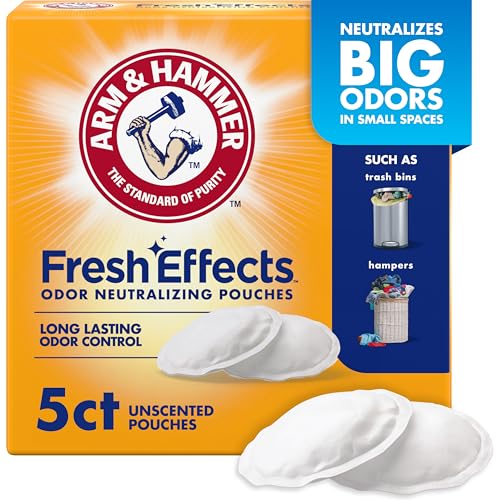
- activated charcoal odor absorber bag unscented
- odor eliminator spray unscented for fragrances
- baking soda deodorizer box fragrance neutralizer


Before You Start
Clear the space of excess scent sources and ventilate the room by opening windows or using a fan. Test any product on a small, inconspicuous area first to ensure no staining or reaction occurs. Limit exposure if you have allergies or sensitivities. Plan a time window for airing out and reapplying treatments as needed, typically 1–2 hours for initial decongestion and up to 24 hours for deep refresh.
Step-By-Step: How To Neutralize Excess Perfume
- Open windows and run a fan to start air exchange and reduce lingering fragrances.
- Place an activated charcoal odor absorber bag unscented in the affected room to trap odors at the source.
- Wipe hard surfaces with a damp cloth to remove surface oils that carry perfume molecules.
- Spray a light mist of odor eliminator spray unscented for fragrances on non-porous surfaces, then wipe away any residue.
- Ventilate fabrics by laying items flat or using a clothesline with good airflow to help scents escape.
- Set a baking soda deodorizer box fragrance neutralizer near the center of the room or inside a closet to absorb remaining odors.
- For persistent areas, apply a second pass of the spray and refresh the activated charcoal bag if needed.
- Repeat the air exchange and odor control steps every 4–6 hours until the scent levels drop.
- Consider laundering fabrics or using deodorizing sachets in drawers to prevent reintroduction of fragrance molecules.
- Regularly monitor the space after cleanup and adjust airflow or product placement as necessary.
Troubleshooting
| Symptom | Likely Cause | Fix | Prevention |
|---|---|---|---|
| Odor persists after treatment | Perfume deeply absorbed in fabrics | Increase airing time and reapply odor absorbers | Place absorbers near sources, not just walls |
| New scent appears after using spray | Wrong product on sensitive surfaces | Switch to unscented version and test on hidden area | Always opt for unscented options for fragrance-sensitive spaces |
| Staining on fabric or surface | Moisture or product interaction | Dab, not rub; use a clean cloth and follow with dry method | Spot-test before full application |
| Allergic reaction or irritation | Overexposure to airborne particles | Cease use immediately and increase ventilation | Limit usage in sensitive rooms; wear protective gear if needed |
Common Mistakes
- Overloading a space with multiple scented products at once
- Relying solely on sprays without addressing porous materials
- Neglecting ventilation while treating odors
- Ignoring fabric odors that trap fragrance molecules
By focusing on unscented, odor-absorbing tools and steady air exchange, a room can recover its neutral scent profile more quickly.
Tips For Best Results
- Place activated charcoal bags near odor sources, not just in corners.
- Use baking soda deodorizer boxes in closets, laundry areas, and under sinks for ongoing neutralization.
- Prefer unscented products to avoid masking odors with another fragrance.
- Schedule a routine refresh of odor absorbers every 1–2 weeks in rooms with strong scent exposure.
Call A Professional
Seek professional help if odors linger after repeated treatments, or if the scent appears to be coming from hidden sources (like furniture or carpeting) or if someone in the home has chemical sensitivities or respiratory conditions.
FAQ
Can activated charcoal absorb all types of perfume odors?
It is effective for many odors by trapping odor molecules, but heavy or penetrating scents may require additional treatments or fabric cleaning.
Is it safe to use odor eliminator spray unscented on fabrics?
Yes, most unscented sprays are designed for fabrics; test on a small area first and follow label instructions.
How long should I air out a room after applying products?
Start with 30 minutes of ventilation and extend to several hours if the scent remains strong.
What if the fragrance returns after a few days?
Reassess sources, reapply absorbers, and consider storing perfumes separately to prevent reintroduction.
Are these products safe for households with children or pets?
Choose unscented options and follow safety guidelines on the product labels; ensure good ventilation during and after use.
Buying Guide
When choosing odor-control tools to address too much perfume, consider size, placement, and ongoing maintenance. Below are key factors to weigh.
- <bSize and coverage: Select activated charcoal bags and boxes sized for the room square footage. A small bag may suffice for a closet, while larger living spaces may need multiple units.
- <bNoise level: Some devices are quiet, while others emit soft fan sounds. If the space is occupied, prefer low-noise options to avoid disruption.
- <bEnergy efficiency: Look for low-energy or passive absorbers that don’t require continuous power, especially in bedrooms or study areas.
- <bControls and usage: Uncomplicated, unscented products with clear instructions simplify maintenance and reduce the chance of over-application.
- <bPlacement: Position absorbers near odor sources, vents, or fabric storage areas for maximum effectiveness; avoid placing them directly behind furniture where airflow is restricted.
- <bMaintenance: Replace or recharge odor absorbers as recommended; rotating devices helps maintain consistent results.
- <b kombinational strategies: Use a combination of absorbers, spray, and baking soda to address different material types (hard surfaces, fabrics, air).
Thinking about a quick reset after a perfume overdo? A balanced approach with unscented products, good ventilation, and regular maintenance can restore a neutral environment without introducing new fragrances.
Leave a Reply