How to Get Rid of New Furniture Smell Safely and Effectively
New furniture often carries a distinct odor from finishes, adhesives, and fabrics. While a brief scent is common, strong or lingering smells can be uncomfortable and raise concerns about indoor air quality. This guide provides practical, American-friendly methods to reduce or remove new furniture odors using common products and safe practices.
Quick Answer
Ventilate aggressively by opening windows and using a fan. Pair this with targeted odor control: activated carbon odor absorber bags for new furniture smell in closets or near the piece, an air purifier with activated carbon filter for new furniture odors, and an enzymatic odor eliminator spray for new furniture on fabric surfaces. Combine methods for faster results and safer indoor air.
What You’ll Need
- Activated carbon odor absorber bags for new furniture smell
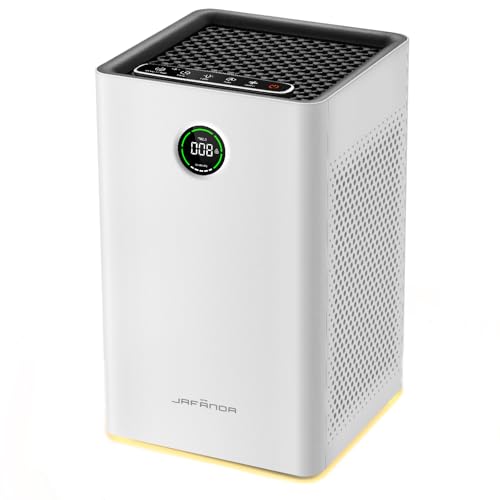
- Air purifier with activated carbon filter for new furniture odors
- Enzymatic odor eliminator spray for new furniture
- Low-VOC cleaning supplies (mild soap, water)
- Microfiber cloths
- Box fans or a portable air purifier (optional)
[could be escorted by related_products]


Before You Start
Ensure good ventilation by opening multiple windows and turning on exhaust fans. If possible, place the furniture in a well-ventilated area for the first 48–72 hours. Avoid covering the odor with paint or heavy fragrances, which can trap chemicals inside. Test any spray in a small, inconspicuous area first to avoid staining. Time estimates vary by piece and environment, but a proactive approach may shorten the odor period to a few days to a couple of weeks.
Step-By-Step: How To Reduce New Furniture Smell
- Move the furniture to a well-ventilated room or a garage with the door open to the outside, if possible.
- Open all drawers and cabinet doors to promote air exchange around the entire piece.
- Place activated carbon odor absorber bags for new furniture smell near the back, underside, and interior corners of the furniture to capture circulating VOCs.
- Run an air purifier with activated carbon filter for new furniture odors in the room to continuously scrub the air.
- Wipe nonporous surfaces with a damp microfiber cloth using a mild, low-VOC cleaner to remove surface residues without introducing new odors.
- Spot-clean fabrics with a enzymatic odor eliminator spray for new furniture on areas that retain odor, following label directions and performing a patch test first.
- Let the piece air out for several hours, then check odor intensity. Repeat the enzymatic spray on fabric areas if needed in accordance with product guidelines.
- Reposition the furniture to its intended space and continue to use the air purifier and carbon bags for ongoing odor mitigation.
- Consider placing additional carbon bags in nearby storage areas or closets to prevent cross-contamination of odors in other rooms.
- Monitor humidity and temperature; moderate humidity helps the off-gassing process without increasing mold risk.
- Schedule periodic re-evaluation of air quality and replace carbon bags as recommended by the manufacturer.
Troubleshooting
| Symptom | Likely Cause | Fix | Prevention |
|---|---|---|---|
| Smell persists after several days | Insufficient ventilation or high VOC levels | Increase air exchanges; add more carbon bags | Position furniture near windows during off-gassing |
| Fabric odor remains on upholstery | Residue is trapped in fibers | Apply enzymatic spray per instructions and ventilate after | Test fabrics and use lower-intensity products |
| Unpleasant odor shifts to sharp or chemical scent | Underlying off-gassing of adhesives or finishes | Use a high-efficiency air purifier; rotate pieces to expose fresh surfaces | Keep room well-ventilated during first weeks |
| Carbon bags smell strongly | Overloaded bags with absorbed VOCs | Replace bags as directed | Distribute bags around space to avoid saturation |
Common Mistakes
- Relying on air fresheners to mask odors instead of removing VOCs
- Blocking air intake or exhaust with large furniture or textiles
- Spraying enzymatic products in closed spaces without ventilation
- Using high-VOC cleaners that worsen the problem
Tips For Best Results
- Combine methods: carbon bags, air purifier, and enzymatic spray for synergistic odor control
- Ventilate early and often, especially in newly furnished bedrooms or kid spaces
- Place carbon bags in hidden spots to avoid direct exposure to sunlight or heat
- Keep humidity comfortable; extreme dryness or dampness can affect off-gassing and fabric care
- Follow product labels for all cleaners and sprays to prevent damage to finishes or fabrics
Call A Professional
The need for professional help is rare but important to recognize. Seek a pro if the odor persists after several weeks despite thorough ventilation, or if the space experiences headaches, dizziness, or eye irritation. Also contact a professional if you notice mold growth, persistent moisture issues, or if furniture materials appear degraded or unsafe.
FAQ
How long does new furniture smell typically last?
Most odors lessen within a few days to a couple of weeks with good ventilation, but some pieces may off-gas longer depending on materials and room conditions.
Are activated carbon bags safe for homes with children and pets?
Yes, when used as directed. Keep bags away from pets’ mouths and supervise children to avoid tampering.
Can I use the enzymatic odor eliminator on all fabrics?
Most fabrics are suitable, but test a small area first and follow the product label for guidance.
Should I keep windows open all day?
Yes, when weather permits. Continuous airflow accelerates off-gassing and improves indoor air quality.
Is it okay to use a room deodorizer?
Deodorizers may mask odors but do not remove VOCs. Use them sparingly and only after initiating ventilation and odor-control methods.
What if the smell returns after a few weeks?
Reassess ventilation, reapply enzymatic spray to fabrics, and consider adding more carbon bags or upgrading the air purifier’s filter level.
Buying Guide
When choosing products to combat new furniture odors, consider these factors to maximize value and effectiveness:
- Size and placement: Choose activated carbon odor absorber bags sized to your space and furniture footprint. Place bags near odor sources but out of reach of children and pets.
- Noise level: Look for quiet or energy-efficient air purifiers with low dB ratings, especially in bedrooms and living rooms.
- Energy efficiency: Select purifiers with energy-saving modes and appropriate filtration stages to minimize running costs.
- Controls: Simple, clear controls help you adjust fan speeds and timer settings without guesswork.
- Filtration: A purifier with activated carbon filters is essential for VOCs; consider models that include a pre-filter and optional washable components.
- Placement and coverage: Check the product’s recommended room size and ensure placement allows for adequate air flow and easy maintenance.
- Maintenance and replacements: Factor in the cost and frequency of replacing carbon bags and purifiers’ filters.
- Safety certifications: Look for products with recognized certifications and low-VOC product claims to minimize exposure.
With a strategic approach combining ventilation, carbon-based odor control, and targeted fabric treatment, most new furniture smells can be significantly reduced. If odors persist, engaging a professional ensures any ongoing air quality concerns are addressed safely and effectively.
Leave a Reply