How to Get Rid of Tiny Bugs on Window Sill
Tiny bugs on a window sill can be irritating and hard to pin down. A clean, targeted approach helps identify the source, trap or remove the insects, and prevent a reoccurrence. This guide outlines practical, American-friendly steps to reclaim a tidy window area without heavy chemicals.
Quick Answer
Identify the insects, deter with sealing and cleaning, and activate simple traps to capture remaining pests. Start with a thorough wipe-down, then use dedicated tools for ongoing maintenance to prevent a future infestation.
What You’ll Need
- Sticky insect traps window sill gnats indoor
- Silicone sealant caulk 10oz for window frame gaps
- Handheld vacuum with crevice tool for window sill cleaning


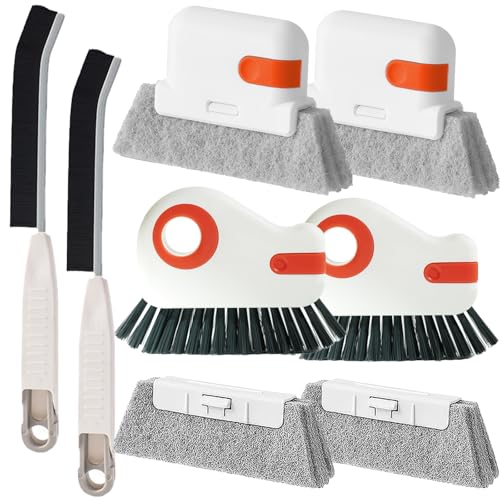
Before You Start
Clear the area around the window sill and protect nearby surfaces. Work in a well-lit, ventilated space. Safety first: avoid mixing cleaners that may emit strong fumes. Time estimate for initial cleanup: 30–60 minutes; ongoing maintenance may require 5–15 minutes per week.
Step-By-Step: How To Get Rid Of Tiny Bugs On Window Sill
- Observe and identify the pest type to tailor your approach, noting patterns in activity and placement on the sill.
- Use the handheld vacuum with crevice tool to remove visible insects, dust, and eggs from the window ledge and gaps.
- Apply silicone sealant caulk 10oz for window frame gaps to seal entry points where pests may travel between indoors and outdoors.
- Wipe the sill with a mild, non-residual cleaner to remove sticky residues that can attract pests and provide a clean surface for traps.
- Place sticky insect traps window sill gnats indoor at strategic spots along the sill to catch ongoing activity without chemicals.
- Check traps daily for captured insects and replace as needed to maintain ongoing control.
- Reassess after 1–2 weeks. If activity persists, consider additional sealing or professional evaluation for underlying moisture or organic decay behind the window frame.
- Address moisture sources by inspecting for leaks near the window and improving drainage or ventilation if needed.
- Maintain a regular cleaning schedule and reseal any newly found gaps to prevent re-entry of insects.
- Consider adding a harmless desiccant or moisture-control product if humidity remains high around the window area.
- Monitor windows during seasonal changes and re-treat promptly if pests reappear.
Troubleshooting
| Symptom | Likely Cause | Fix | Prevention |
|---|---|---|---|
| Many gnats near window soon after rain | Moist soil or standing water nearby | Reduce moisture, cover soil, improve drainage | Ventilate and inspect indoor plants nearby |
| Insects reappearing after cleaning | Unsealed gaps or hidden breeding spots | Seal gaps with silicone caulk and recheck | Schedule periodic inspections |
| Few insects caught in traps, but activity remains | Traps not positioned effectively | Move traps along the sill and corners | Maintain a few traps for consistent monitoring |
| Unpleasant odor near window | Decay behind the frame | Consult a professional for access and remediation | Address moisture and mold promptly |
Common Mistakes
- Using heavy sprays near windows that can damage frames or linger as fumes
- Ignoring small gaps that let pests re-enter after cleaning
- Relying on a single trap type instead of a multi-step approach
- Failing to address moisture sources contributing to pest activity
By avoiding these missteps, maintenance becomes more predictable and effective.
Tips For Best Results
- Place traps at both lower and upper sill positions to maximize capture opportunities.
- Seal any gaps around the window frame within reach to reduce re-entry points.
- Keep a consistent cleaning routine, especially during humid months when insects are more active.
- Label and track changes in pest activity to spot patterns and adjust strategies quickly.
Call A Professional
Seek professional help if pests persist after two to three weeks of diligent sealing and trapping, or if you notice moisture damage, mold, or structural concerns behind the window frame. Stop signs: growing infestation, foul odors that persist, or signs of wood rot.
FAQ
What attracts tiny bugs to window sills?
Moisture, organic debris, and light-attracted species such as gnats can attract insects to window sills.
Will traps alone solve the problem?
Traps help monitor and reduce activity, but sealing gaps and removing moisture are usually necessary for long-term control.
How often should I reseal the window frame?
Every 1–2 years or when you notice new gaps, especially after seasonal expansion and contraction.
Can I use household cleaners to remove pests?
Simple cleaners clean residue but avoid harsh chemicals that could damage sealant or frames.
Is there a risk to indoor plants nearby?
Yes, overwatering or overly damp soil around plants can attract pests; adjust watering and consider repotting if needed.
How do I prevent future infestations?
Seal gaps, manage moisture, keep surfaces dry, and maintain traps as a monitoring tool.
What if I see mold near the window?
Address moisture, clean with mold-safe products, and consider professional remediation if growth is extensive.
Buying Guide
When choosing tools to fight tiny bugs on a window sill, consider size, noise level, energy efficiency, and placement. For trap-based control, select discreet, low-profile sticky traps that work with indoor pests without harsh chemicals. A handheld vacuum with crevice tool is essential for precision cleaning in tight sill corners. Sealant should be silicone-based for durability and flexibility in window gaps. Look for 10oz tubes or comparable sizes to ensure a single project can seal multiple gaps. Finally, plan for maintenance: set a reminder to inspect the sill every few weeks during peak pest seasons. Would you benefit from a compact setup that combines traps, sealing, and targeted cleaning in one practical kit? A well-rounded approach balances immediate relief with lasting prevention, making window sills less inviting to tiny intruders.
Leave a Reply