How to Clean a Door Mat: Quick, Effective Methods
Door mats trap dirt, dust, and moisture, protecting entryways and indoor spaces. Proper cleaning extends their life and keeps floors looking fresh. This guide covers practical steps for common door mat materials, with emphasis on simple tools and safe practices for American homes.
Across homes, door mats see heavy foot traffic and weather exposure. A routine cleaning routine helps prevent buildup that dulls texture and harbor odors. By following straightforward steps and using the right tools, anyone can restore a mat’s appearance without damaging the backing or fibers.
Quick Answer
Best initial approach: shake or beat out loose debris, vacuum the surface, then rinse and scrub with a dedicated brush and cleaning solution. For stubborn grime, repeat and allow to dry completely before reusing.
What You’ll Need
- stiff-bristle door mat cleaning brush
- scrub brush for door mats and outdoor mats
- door mat cleaning solution spray and brush kit

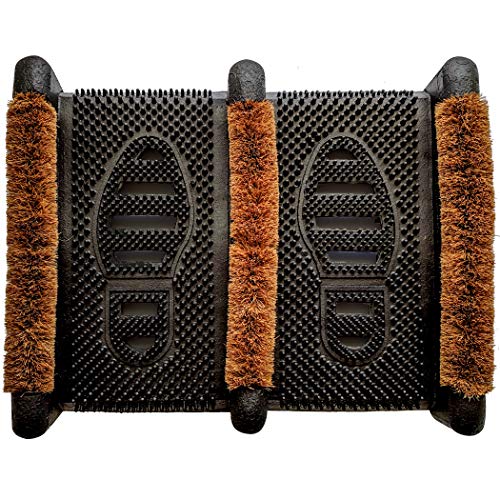
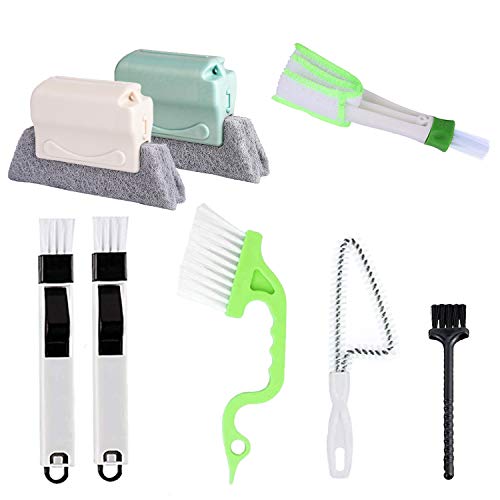
Before You Start
Before cleaning, move the mat to a well-ventilated area or outdoors to avoid moisture in living spaces. Check the mat backing for care instructions; some materials are heat-sensitive or may shrink when soaked. For safety, wear gloves and protect nearby floors with a mat or plastic sheet. Time to complete: roughly 15–45 minutes, depending on mat size and soil level. Never scrub with metal tools that could tear fibers or soak mats too long, which can cause mold growth.
Step-By-Step: How To Clean A Door Mat
- Remove the mat from its mounting or doorway and place it on a protected surface.
- Shake the mat vigorously to dislodge loose dirt and use a vacuum to pick up embedded dust from both sides.
- For surface soil, use a stiff-bristle door mat cleaning brush to work the fibers gently in a back-and-forth motion.
- Apply a door mat cleaning solution spray and brush kit or a mild detergent diluted with water; avoid harsh chemicals that can fade colors.
- Scrub in sections, paying attention to heavily soiled areas like the mat’s center and edges near the threshold.
- Rinse the mat thoroughly with a hose or a bucketsful of clean water, ensuring all soap residues are removed.
- Gently squeeze out excess water and prop the mat to dry in a sunny, well-ventilated spot until completely dry.
- Inspect for remaining stains; repeat treatments on stubborn spots if needed, then reinstall once dry.
- If the mat has a rubber backing, ensure it dries flat to prevent curling or mold buildup.
- Store cleaning tools clean and dry after use to keep them ready for the next cleaning cycle.
- For seasonal mats or delicate materials, follow manufacturer care labels and consider professional cleaning if saturation risk is high.
Troubleshooting
| Symptom | Likely Cause | Fix | Prevention |
|---|---|---|---|
| Persistent odor | trapped moisture or mold | Repeat cleaning with thorough drying | Dry mats completely after rain; store in a dry area |
| Fading colors | harsh cleaner or sun exposure | Switch to mild detergent; rinse well | Clean on shaded days; avoid direct sun while cleaning |
| Fibers fraying | over-brushing or aggressive scrubbing | Use gentler strokes with brush; limit soaking | Inspect mat type; avoid metal tools |
| Backing lifting | excess water exposure | Pressure under the mat to flatten; ensure complete dry | Patience during drying; use airflow |
Common Mistakes
- Using hot water or harsh cleaners that damage materials
- Soaking mats too long, especially rubber-backed varieties
- Skipping thorough drying, inviting mold and mildew
- Not testing a small area before full cleaning on delicate fabrics
Tips For Best Results
- Regular quick cleanings keep mats from becoming deeply soiled and easier to maintain.
- Rotate mats seasonally to distribute wear and exposure evenly.
- Choose the cleaning method based on mat type—coir, rubber, or fabric-backed mats may require different approaches.
- Use a dedicated door mat cleaning brush to preserve fiber integrity while removing embedded dirt.
- Dry mats completely before reinstallation to prevent damp indoor air and odor buildup.
Call A Professional
Consider a professional cleaning if a mat is heavily stained, moldy, or if the backing appears loosened or cracked. Stop cleaning and contact a pro if you notice persistent odors after multiple cleanings, or if the mat shows structural damage that could worsen with moisture.
FAQ
Can I clean a door mat in a washing machine?
Most door mats are not designed for machine washing; hand cleaning or spot cleaning is typically safer. Check the manufacturer’s guidelines first.
How often should I clean my door mat?
Clean high-traffic mats monthly or more often during rainy seasons, and give them a quick shake weekly to reduce buildup.
What kind of detergent is best for door mats?
Use a mild detergent or a dedicated door mat cleaning solution; avoid strong solvents that may damage fibers.
Is it okay to use a power washer?
Power washing can damage delicate mats or force water into the backing; use a hose with gentle spray if needed and ensure thorough drying afterward.
Buying Guide
When selecting a new door mat, consider factors like size, material, and placement. A larger mat helps trap more dirt at the doorway, while material choice affects durability and cleaning ease. Here are key buying factors:
- Size: Measure door width and preferred clearance to ensure the mat covers the threshold without obstructing door operation.
- Material: Coir mats are durable and good at scraping debris; fabric-backed mats are softer but may require more care; rubber-backed mats resist slipping and dry quickly.
- Noise and agitation: For indoor spaces, choose low-noise mats with quiet brushing textures that won’t scratch floors.
- Energy efficiency and maintenance: Consider mats that dry quickly and resist mold, reducing indoor moisture and cleaning frequency.
- Controls and placement: Place mats at exterior entrances with a second mat inside for moisture control; ensure doors can open freely without catching.
- Weather tolerance: In wet climates, choose mats with strong absorption and fast-drying capabilities to minimize water tracked indoors.
With the right approach and the right tools, cleaning a door mat becomes a straightforward task that preserves both appearance and functionality. Ready to refresh entryways with a simple routine and durable cleaning tools? Start with the basics, then tailor the method to your mat type for best results.
Leave a Reply