How to Get Rid of Dog Poop Smell Outside
Living with a yard that occasionally carries the scent of dog waste can be tough, especially in warmer months. Effective odor control relies on a combination of removal, treatment, and prevention. This guide outlines practical steps and proven products to keep outdoor areas smelling fresh and feeling inviting for you and your guests.
By following a routine that targets both poop residues and surrounding odors, homeowners can maintain a cleaner, more pleasant yard. The focus here is on safe, effective methods and widely available products designed for outdoor use.
Quick Answer
Act quickly after dogs poop to minimize odor buildup. Use a fast-acting spray or powder to neutralize smells, then thoroughly rinse the area. Regular cleaning, along with long-term odor control products, yields the best results.
What You’ll Need
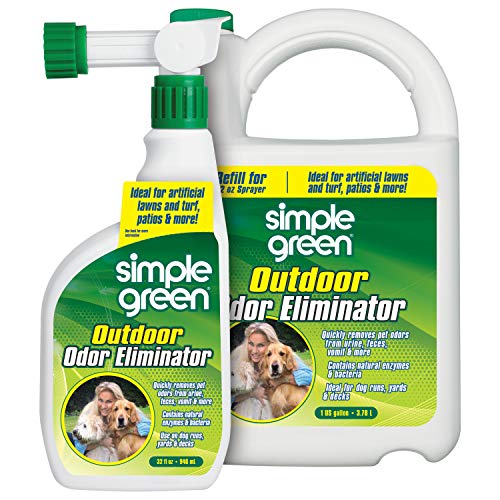
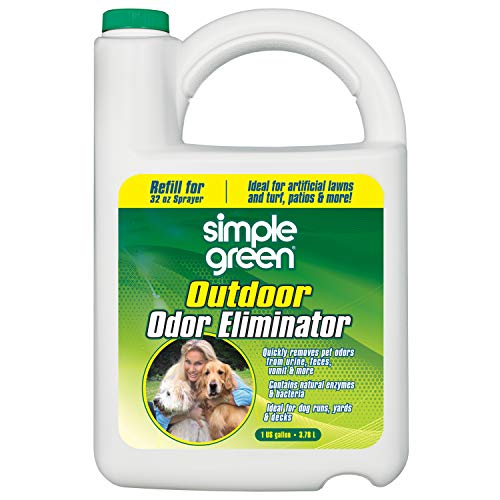
- Enzymatic outdoor dog odor remover spray
- Outdoor pet urine odor neutralizer for yard spray
- Dog poop smell eliminator yard odor absorber activated charcoal
- Ground cover or grass-safe sanitizer (optional)

Before You Start
Prepare the area by removing solid waste as soon as possible. Choose a calm day for application to prevent wind dispersal of odors. Wear gloves and consider protective eyewear if handling concentrated cleaners. Test any product on a small, inconspicuous patch of turf to avoid discoloration. Time estimates vary: plan 30–60 minutes for initial treatment plus 24–48 hours for full odor neutralization.
Step-By-Step: How To Get Rid Of Dog Poop Smell Outside
- Clear all visible feces from the area using disposable bags, then dispose properly.
- Rinse the spot with water to dilute any remaining residue and help initial odor control.
- Apply an enzymatic outdoor dog odor remover spray to break down organic waste at the source.
- Spray the affected area with an outdoor pet urine odor neutralizer for yard spray to combat lingering fumes.
- Sprinkle or spray a layer of dog poop smell eliminator yard odor absorber activated charcoal where odors are strongest to absorb molecules.
- Let the area dry completely; reapply as directed by product instructions if odors persist.
- Routinely hose down the area after heavy use and reapply odor control products as needed.
- Consider adding sun-dried mulch or natural ground cover to reduce odor-trapping surfaces.
- Set a cleaning schedule: weekly deodorizing during peak outdoor use months.
- Monitor for recurring scent: if odors return, repeat treatments and check for underlying moisture issues.
- Encourage pet owners to train pets to use designated bathroom areas to limit odor hotspots.
Troubleshooting
| Symptom | Likely Cause | Fix | Prevention |
|---|---|---|---|
| Persistent odor after treatment | Under-treated soil or hidden waste | Reapply enzymatic spray, extend coverage to adjacent soil | Increase frequency during warm weather |
| Faint ammonia smell remains | Pet urine salts in soil | Use an odor neutralizer designed for outdoor urine odors | Seal pet paths or create dedicated zones for waste |
| Discoloration of turf | Concentrated cleaners | Rinse thoroughly, dilute next application, test spot | Patch test before broad use |
| Odor returns after rain | Moisture reactivates odors | Reapply after drying period or use absorbent materials | Improve drainage around problem areas |
Common Mistakes
- Waiting too long to clean up after a poop drop
- Overusing concentrated cleaners without proper dilution
- Ignoring drainage and moisture, which spreads odors
- Relying on single products instead of a multi-step approach
Addressing outdoor odors effectively often requires combining waste removal, enzymatic action, and odor absorption. A steady routine reduces the chance of strong smells accumulating over time.
Tips For Best Results
- Apply enzymatic cleaners when the area is dry for maximum efficacy
- Use activated charcoal in areas with persistent odors, especially under shade
- Rinse surfaces after treatment to prevent residue buildup on grass
- Rotate products to prevent odor adaptation in stubborn spots
- Coordinate with your dog’s bathroom schedule to minimize odor hotspots
Call A Professional
Consider professional help if odors persist despite multiple treatments, or if yard drainage or groundwater concerns exist. Seek a pro when: odors recur after heavy rainfall, the area remains damp for long periods, or you notice extensive staining or mold growth that may indicate moisture problems.
FAQ
How often should I treat outdoor dog odor?
Frequency depends on usage and weather. Start with weekly applications during peak seasons and adjust based on odor levels.
Are enzymatic cleaners safe for pets and kids?
Yes, when used as directed, enzymatic cleaners are generally safe for outdoor use and designed to break down organic material rather than leave harmful residues.
Can charcoal absorb odors permanently?
Charcoal is effective at adsorption, but odors can return if the source persists. Combine with cleaning and source control for best results.
What about rain and odor control?
Light rain can wash away treatment; heavy rain may require reapplication. Allow surfaces to dry and reapply as needed.
Is it okay to use household products?
Avoid mixing cleaners. Use products specifically labeled for outdoor pet odor control to prevent chemical reactions or turf damage.
Should I train my dog to use a designated area?
Yes. Consistency with a chosen potty area reduces odor build-up and simplifies maintenance.
What if odors persist after a full season?
Consult a pro to assess drainage, soil conditions, and potential ongoing contamination.
Buying Guide
When choosing products to tackle outdoor dog odor, consider size of the treated area, typical weather patterns, and whether you prefer enzymatic sprays or odor absorbers. Look for products labeled safe for outdoor use on grass and soil, and choose those with clear application instructions. If you have multiple dogs, you may need higher-strength formulations or multiple treatments per week during warm months. Noise and energy use are generally not concerns with sprays, but ease of use and coverage area matter. For large yards, select products with wider coverage and longer-lasting effects. Finally, consider bundle options that pair enzymatic cleaners with odor absorbers to streamline maintenance and maximize results. Are you aiming for a yard that stays fresh with minimal effort, or is a more proactive routine the right fit for your household? Matching products to your yard size, climate, and dog behavior will deliver the most reliable outcomes.
Leave a Reply