How to Get Rid of Raccoons in Your Yard
Raccoons may be clever and adaptable visitors, but they can also cause damage to gardens, trash, and outdoor spaces. This guide focuses on humane, effective methods that deter raccoons while keeping people and pets safe. The approach combines scent, motion, barriers, and humane options to manage raccoon activity in American yards.
Readers should start with prevention and nonlethal tools, escalating to professional help only when necessary. By understanding raccoon behavior and using a layered strategy, homeowners can reduce recurring visits and protect outdoor areas.
Quick Answer
Use a layered approach: remove attractants, reinforce physical barriers, and employ humane deterrents. If animals persist, consider a humane trap for relocation only where legal, and contact wildlife authorities for advice. For immediate deterrence, install motion-activated devices and seasonal repellents, then follow up with exclusion and cleanup.
What You’ll Need
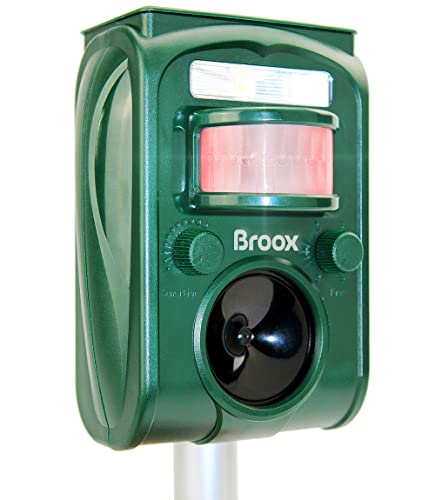
- Ultrasonic outdoor pest repeller raccoon deterrent for long-range sound deterrence
- Motion-activated sprinkler wildlife deterrent for yard raccoon to startle intruders with water
- Humane live animal trap raccoon 24x12x12 inch for legal, humane capture if allowed


Before You Start
Assess the yard for attractants such as accessible garbage, pet food, fallen fruit, or pet water bowls. Secure lids, hose hookups, and compost. Plan for a multi-night window to deter nightly raccoon activity. Time estimates vary by yard size and deterrent setup, typically 1–3 days for initial impact, with ongoing maintenance.
Safety cautions: never attempt to touch or corner a wild raccoon. Wear gloves when handling containers or repellents. Keep pets indoors during deterrence trials, especially at night. Check local regulations before using live traps or relocating wildlife.
Step-By-Step: How To Get Rid Of Raccoons In Your Yard
- Identify attracting sources and remove access to food, water, and shelter. Secure trash cans with tight lids and store pet food indoors at night.
- Set up a motion-activated sprinkler wildlife deterrent for yard raccoon in problem zones like the patio, garbage area, or garden edges.
- Install a ultrasonic outdoor pest repeller raccoon deterrent at recommended distances to create ongoing sonic deterrence without harming animals.
- Place humane deterrents along fences and hedges to reduce shelter opportunities. Maintain a clean, trimmed yard to minimize nesting sites.
- If allowed by local laws, consider a humane live animal trap raccoon 24x12x12 inch for removal. Follow trap safety guidelines and relocation rules.
- Monitor activity during evenings and adjust deterrents. Move repellents slightly after a week if raccoons adapt to fixed locations.
- Seal potential entry points to attics, crawl spaces, and under decks. Use sturdy hardware cloth or vent covers to prevent access.
- Regularly inspect and maintain deterrents, refilling or resetting devices as seasons change and devices wear.
- Coordinate with neighbors if shared spaces attract wildlife. A community approach can improve overall effectiveness.
- Document progress. If activity persists after 2–4 weeks of consistent measures, advance to professional guidance or legal trapping options where permitted.
- Reassess attractants after implementing deterrents; continue seasonal cleanup to maintain a raccoon-free yard year-round.
Troubleshooting
| Symptom | Likely Cause | Fix | Prevention |
|---|---|---|---|
| Raccoons ignore deterrents | Inadequate coverage or animals acclimate | Reposition devices, adjust ranges, add layers | Rotate deterrents seasonally |
| Garbage spills continue | Unsecured containers | Tight lids, sealed bins, spills cleaned | Windproof bins; place bins away from food sources |
| Traps catch unintended wildlife | Non-target animals entering traps | Use appropriately sized humane traps and check frequently | Clearly label and monitor bait locations |
| Raccoons nest under deck or shed | Insufficient shelter barriers | Block access with hardware cloth and seal gaps | Inspect quarterly for new entry points |
Common Mistakes
- Relying on only one deterrent instead of a layered approach
- Leaving pet food or birdseed out overnight
- Ignorning local wildlife regulations when considering traps
- Using harsh chemicals or unsafe devices near children and pets
Tips For Best Results
Start with the least invasive methods and gradually introduce stronger deterrents. Keep your yard clean and free of attractants, especially during mating and weaning seasons. Coordinate timing: deterrents often work best when activated during peak raccoon activity hours (early evening to late night). Regular maintenance and re-evaluation are essential as raccoons learn and adapt.
Call A Professional
Consult a professional if: raccoon activity continues after 3–4 weeks of consistent deterrence, there are signs of rabies exposure, or an infestation is suspected inside structures. Do not attempt to relocate wildlife yourself in areas with strict wildlife control regulations. For persistent cases, wildlife control experts can advise on legal trapping, relocation options, and repair of entry points.
FAQ
Are ultrasonic deterrents effective against raccoons?
They can be part of a broader strategy, but effectiveness varies by animal sensitivity and yard layout. Combine with other deterrents for best results.
Is it legal to trap and relocate raccoons in my state?
Rules vary. Check local wildlife regulations and obtain necessary permits before using live traps or relocating animals.
What is the best time to deter raccoons in my yard?
Evening and nighttime hours are peak activity times; adjust deterrents to cover these periods.
How long should I run deterrents before evaluating success?
Give deterrents 2–4 weeks to assess effectiveness, then adjust and expand methods if needed.
Buying Guide
When choosing tools to deter raccoons, consider size, noise or motion features, energy efficiency, and placement. Size matters for devices like motion-activated sprinklers and ultrasonic units; ensure they fit intended zones such as porches, lawns, and under decks. Noise levels should be effective but not disruptive to neighbors; look for adjustable sound ranges and programmable schedules. Energy efficiency matters for devices running on batteries or solar power. Controls should be simple and weather-resistant, with easy mounting options. Placement strategy: position deterrents at known routes, near food sources, and around entry points, then adjust based on raccoon movement patterns. For a practical setup, combine the provided tools to create a layered, humane defense that matches yard size and activity levels.
Leave a Reply