How to Clean the Outside of a Stainless Steel Refrigerator
Keeping the exterior of a stainless steel refrigerator looking sleek helps maintain a cohesive kitchen aesthetic. With the right supplies and a simple routine, fingerprints, smudges, and water spots can be minimized without scratching the surface. This guide walks American homeowners through a safe, effective method to restore luster and protect the finish over time.
Stainless steel appliances resist staining, but they show fingerprints more than other finishes. A proper cleaning routine uses gentle products and soft cloths to avoid dulling or striations. The steps below emphasize practical techniques that work with common household cleaners and the specific tools listed in the product recommendations.
Quick Answer
Best practice: Use a specialized stainless steel appliance cleaner spray for the surface, paired with a microfiber cloth set to wipe in the direction of the grain. Finish with a stainless steel polish kit for appliances to restore shine and add a protective layer.
What You’ll Need
The following tools and materials help achieve a streak-free finish on a stainless steel refrigerator exterior:
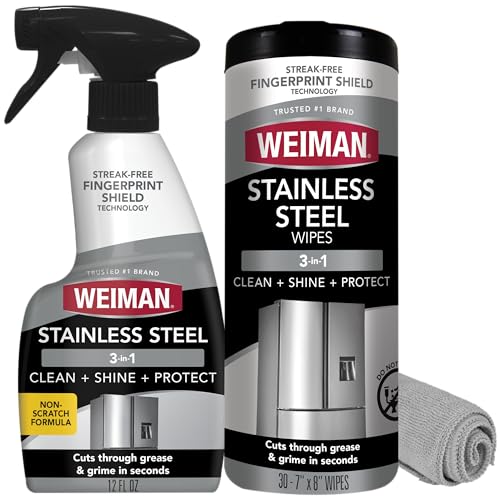
- Stainless steel appliance cleaner spray refrigerator exterior for removing grime and fingerprints
- Microfiber cloth set for stainless steel fridge exterior for gentle, lint-free wiping
- Stainless steel polish kit for appliances refrigerator exterior to seal and brighten the finish


Before You Start
Prepare the area by removing items around the fridge and ensuring good ventilation. Test any cleaner on a small, inconspicuous spot first to confirm no discoloration. Work in a cool, shaded room to prevent cleaner from drying too quickly and leaving streaks. Time estimate: about 15–25 minutes for a standard refrigerator. Avoid using abrasive pads, chlorine bleach, or ammonia-based cleaners as these can scratch or dull the surface.
Critical cautions: wipe with the grain whenever possible, keep liquids away from gaskets, and never spray cleaner directly onto stainless steel with power cords nearby to reduce electrical risks.
Step-By-Step: How To Clean The Outside Of A Stainless Steel Refrigerator
- Unplug or turn off power to the nearby outlet if corded cleaning materials risk contact with electrical components, then open doors to access all exterior panels.
- Dust the surface with a dry microfiber cloth to remove loose debris and break the static cling that attracts fingerprints.
- Lightly mist the stainless steel appliance cleaner spray refrigerator exterior onto a clean microfiber cloth, not directly onto the surface, to control application and avoid oversaturation.
- Wipe in the direction of the grain using long, smooth strokes. For curved areas or handles, use a slightly angled motion to reach crevices without leaving streaks.
- For stubborn spots, apply a second pass with a fresh cloth and a small amount of cleaner, letting it sit briefly if allowed by the product instructions before wiping away.
- Dry the surface with another clean microfiber cloth to remove any remaining moisture, which helps prevent water spots and streaks.
- Apply a thin layer of stainless steel polish kit for appliances refrigerator exterior according to the package directions, usually in circular or linear motions along the grain. Let it dry to a soft haze, then buff to shine with a clean cloth.
- Buff lightly to achieve a uniform finish. Inspect from multiple angles to spot any missed spots or streaks, and touch up as needed.
- Optional maintenance: repeat cleaning every few weeks or as needed, and keep a dedicated microfiber cloths set exclusively for stainless steel surfaces.
- Store cleaners and cloths out of reach of children and pets when not in use, and label containers clearly for quick future reference.
- Reassemble any moved items, plug the appliance back in if it was unplugged, and wipe down surrounding areas to remove any cleaner splashes.
Troubleshooting
| Symptom | Likely Cause | Fix | Prevention |
|---|---|---|---|
| Streaks after cleaning | Cleaner residue or improper drying | Rewipe with a clean microfiber cloth in the grain direction, using minimal cleaner | Use dedicated stainless steel cleaner; dry thoroughly |
| Soap or water spots | Hard water deposits | Buff with a microfiber cloth after a light mist of cleaner | Dry after cleaning; consider distilled water for final wipe |
| Scratches or dull finish | Abrasive materials or cleaners | Cease using abrasive pads; switch to non-abrasive microfiber cloths | Follow grain pattern and avoid excessive pressure |
| Discoloration around seams | Improper product compatibility | Test in a hidden area; switch to a gentler cleaner if needed | Use brand-recommended products on stainless steel |
Common Mistakes
- Using household soap directly on stainless steel repeatedly—can leave a film
- Wiping against the grain or in circular motions across large panels
- Relying on one product for every surface issue—mix of cleaner, polish, and cloth works best
- Cleaning when the surface is hot or exposed to direct sunlight, which accelerates streaking
Tips For Best Results
Always test cleaners in a hidden corner first. For best shine, finish with a stainless steel polish kit for appliances refrigerator exterior and buff until the surface reflects light evenly. Use a dedicated microfiber cloth set to avoid transferring oils from other surfaces. Regular maintenance, not aggressive heavy cleaning, preserves the finish longer.
Call A Professional
Consider contacting a pro if persistent staining or discoloration occurs despite routine cleaning, or if you notice bubbling or peeling finishes around the doors or edges. Seek help if cleaners have caused surface damage, or if the appliance is under warranty and cleaning questions might affect coverage.
FAQ
Can I use dish soap on stainless steel appliances?
Dish soap can be used for routine cleaning when diluted in water, but avoid strong concentrations and ensure thorough drying to prevent streaks.
Is it necessary to polish every time I clean?
No. Polishing is optional, but it helps protect the finish and restore sheen after cleaning.
What should I avoid applying to stainless steel surfaces?
Avoid abrasive pads, chlorine bleach, ammonia-based cleaners, and ammonia-based wipes.
How often should I clean the exterior?
Clean every 2–4 weeks, or more often if fingerprints and smudges are prominent in your household.
Buying Guide
When choosing products for cleaning the exterior of a stainless steel refrigerator, consider size, surface area, and usage patterns. Look for a dedicated stainless steel appliance cleaner spray refrigerator exterior that is safe for finishes and easy to wipe. A microfiber cloth set for stainless steel fridge exterior is essential for lint-free, scratch-free cleaning, while a stainless steel polish kit for appliances refrigerator exterior helps maintain shine and provide a protective layer.
Key buying factors include size and form of the cleaner, noise level (if choosing a powered cleaning option, though most tasks are manual), energy and product safety, and ease of use. Compare products by fragrance, drying time, and whether they leave a protective coating. Placement within reach of cleaning supplies and the presence of child-safe packaging can influence daily convenience. For most households, a simple combination of a spray cleaner, a microfiber cloth set, and a polish kit offers the best balance of performance and cost.
Leave a Reply