How to Clean a Toddler Tongue Safely and Effectively
Keeping a clean mouth for toddlers is an important part of early dental care. Cleaning a toddler’s tongue helps remove bacteria, reduce bad breath, and support overall oral hygiene. This guide provides practical steps, safe tools, and simple routines for American families to keep little mouths healthy.
Parents often wonder about the right tools and techniques for toddlers who resist brushing. The following sections outline a gentle approach that fits into daily routines, with emphasis on safety, comfort, and consistency. By using child-friendly tools and a calm, Positive routine, parents can establish healthy habits early.
Quick Answer
Quick method: Use a soft-bristled toddler toothbrush with a small dab of fluoride toothpaste or a dedicated tongue cleaner designed for kids. Gently wipe the tongue from back to front, then rinse. Aim for a brief daily practice, ideally after brushing teeth, to keep breath fresh and bacteria in check.
What You’ll Need
Having the right tools makes tongue cleaning easier and more enjoyable for toddlers. The following items are commonly recommended for young children:
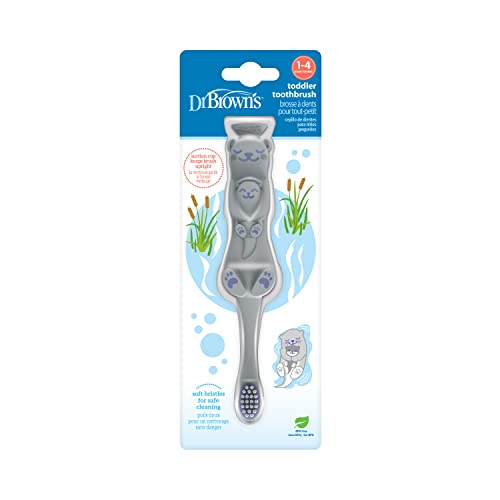
- toddler toothbrush soft bristles age 2-4 silicone grip
- kids silicone tongue scraper dental hygiene tool
- toddler dental care kit toothbrush tongue scraper


Before You Start
Preparation helps toddlers accept tongue cleaning as a normal part of daily care. Create a calm, positive environment and choose a time when your child is not rushed. Gather all tools before beginning to minimize interruptions. This activity should be brief — typically 1–2 minutes. Never force the child or scrub hard; gentle strokes are enough to remove debris. If your child has sensitive gums or a history of mouth sores, consult a pediatric dentist before starting.
Time estimate: 3–5 minutes including setup and rinse. Safety note: supervise at all times to prevent choking or misuse of tools.
Step-By-Step: How To Clean A Toddler Tongue
- Explain the routine in simple terms to set expectations. Tell your child you will help keep their mouth fresh and healthy.
- Rinse the mouth quickly with a small amount of water to loosen debris from the tongue surface.
- Hold the toddler toothbrush or tongue scraper with a comfortable grip. If using a tongue scraper, place it at the back of the tongue and gently pull forward.
- Use light, vertical or sweeping motions across the tongue. Focus on the middle and back regions where most bacteria accumulate.
- If using toothpaste, apply a tiny pea-sized amount and avoid contact with the soft palate to prevent gagging. For tongue cleaning alone, a non-fluoridated wipe or water can be sufficient for toddlers.
- Rinse again with a small amount of water or offer a sip from a cup. Allow your child to spit or swallow as appropriate for their age.
- Return the tool to its safe storage place and praise your child for participating in the routine.
- Follow tongue cleaning with brushing of teeth and gums to reinforce overall oral hygiene habits.
- Keep the sessions short and positive. If the child resists, end the session on a positive note and try again later.
- Clean the toothbrush or tongue scraper after each use according to the manufacturer’s instructions to prevent bacterial growth.
- Gradually increase the duration or frequency as your child becomes more comfortable with the routine.
- Monitor for signs of irritation or discomfort. If redness, swelling, or persistent discomfort appears, pause and consult a pediatric dentist.
Troubleshooting
| Symptom | Likely Cause | Fix | Prevention |
|---|---|---|---|
| Toddler refuses tongue cleaning | Discomfort or fear of unfamiliar tool | Make it playful; let child choose color/design; use a smaller tool | Keep sessions brief; use positive reinforcement |
| Gagging during cleaning | Excessive back-of-tongue stimulation | Shorten strokes; focus on the front third of the tongue initially | Gradually extend duration as tolerance builds |
| Red or irritated tongue | Overzealous scrubbing or toothpaste irritants | Switch to a non-foaming cleanser or wipe; reduce pressure | Limit frequency; contact a clinician if persists |
| Persistent bad breath despite cleaning | Underlying dental or medical issue | Schedule pediatric dental checkup; maintain daily brushing | Maintain consistent routine and hydration |
Common Mistakes
- Using too much toothpaste with a toddler tool, which can cause foaming and gagging
- Forcing the tongue cleaning when the child resists, leading to anxiety
- Ignoring cleaning of the tongue scraper or toothbrush between uses
- Rushing the routine; aiming for a quick, tense session rather than a calm one
Tips For Best Results
- Incorporate tongue cleaning into a predictable routine, such as after brushing teeth at bedtime
- Choose a kid-friendly design and a comfortable grip to reduce grip fatigue
- Use a gentle touch and explain what you are doing in simple terms
- Pair tongue cleaning with mouthwash or a rinse if your pediatric dentist approves
- Maintain regular dental visits to ensure overall oral health and suitability of tools
Call A Professional
Call a pediatric dentist if any of the following occur: prolonged tongue irritation, white patches on the tongue, persistent bad breath despite cleaning, or difficulty feeding and swallowing. Seek immediate care if there is bleeding, extreme pain, or signs of infection. A professional can assess tongue health and provide tailored recommendations for your child.
FAQ
Is it necessary to use toothpaste on a toddler’s tongue cleaning?
For most toddlers, a tiny amount of toothpaste is fine for teeth brushing, but for tongue cleaning, many families use water or a non-foaming wipe to avoid gagging. Always follow pediatric dentist guidance.
How often should I clean my toddler’s tongue?
Daily cleaning is a practical goal, especially after brushing teeth in the evening. Some families include morning cleaning as well, depending on preferences and tolerance.
What if my child resists all tongue cleaning tools?
Use a gentle, gradual approach. Introduce a sensory-friendly tool, allow exploration, and keep sessions short with lots of praise. Revisit later if anxiety persists.
Can tongue cleaning replace brushing?
No. Tongue cleaning complements brushing and flossing by removing bacteria from the tongue surface. Maintain a full routine for comprehensive oral hygiene.
Are tongue scrapers safe for toddlers?
When used with supervision and the appropriate child-sized tool, tongue scrapers are generally safe. Use tools designed specifically for kids and follow the manufacturer’s instructions.
Should I rinse after tongue cleaning?
Yes. A quick rinse with water helps remove loosened debris. Offer a small sip of water and ensure the child can comfortably spit or swallow.
Buying Guide
Choosing the right tongue cleaning tools for a toddler involves evaluating size, material, and comfort. Here are key factors to consider:
- <bSize and design: Opt for kid-sized handles and lightweight designs that fit a small hand. Silicone grips reduce slipping and improve control.
- <bMaterial safety: Look for BPA-free plastics and medical-grade silicone. Ensure the product is labeled safe for children and easy to clean.
- <bGentle action: A soft-bristled toothbrush paired with a gentle tongue scraper helps avoid irritation while cleaning.
- <bAge appropriateness: Products marketed for ages 2–4 align with toddler coordination and mouth size.
- <bEase of cleaning: Tools that can be rinsed under warm water and dried quickly reduce bacterial buildup.
- <bDurability: A sturdy build withstands curious toddlers and frequent use without breaking.
- <bStorage and care: Include a protective case or dedicated drawer spot to keep tools sanitary when not in use.
- <bFamily suitability: If you plan to share tools, choose items with easy sanitizing options, or assign personal tools for each child.
- <bPrice and value: Invest in reliable, child-specific tools rather than generic adult products that may not fit a toddler’s mouth.
- <bUsage tips: Look for simple instructions or online videos from pediatric dental associations to reinforce proper technique.
Leave a Reply