How to Get Rid of Static in Clothes
Static cling is a common annoyance in dry indoor environments, especially during cold weather or in homes with low humidity. This guide explains practical, American-friendly methods to reduce or eliminate static in fabrics, using common laundry practices and handy tools.
Quick Answer
Reduce static quickly by humidity, proper drying, and targeted products. Use a lightweight spray or fabric brush to neutralize charges on contact, and consider wool dryer balls or other anti-static aids to prevent buildup in the dryer. For persistent issues, pair these methods with ongoing fabric care habits like sorting fabrics and avoiding over-drying.
What You’ll Need
- anti static laundry spray 32 oz
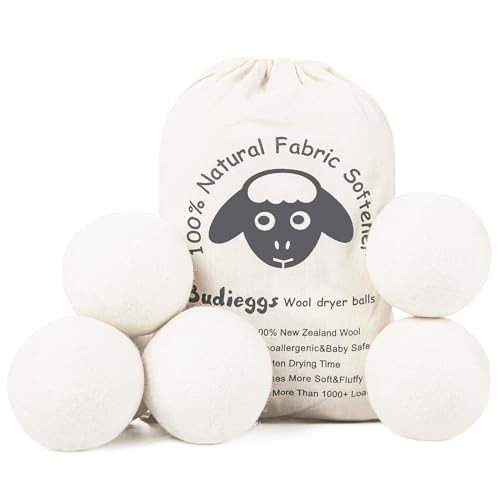
- reusable wool dryer balls anti static
- ionizing fabric brush anti static clothes


Before You Start
Static is influenced by humidity, fabric type, and drying methods. Increase room humidity slightly with a humidifier or by placing a bowl of water near heat sources during dry spells. Pre-treat delicate fabrics gently to avoid residue. Time estimates vary: typical laundry cycles take 60–90 minutes, but air-drying and touch-up steps can add 15–30 minutes. Avoid over-drying, which heightens static by removing moisture from fibers.
Step-By-Step: How To Get Rid Of Static In Clothes
- Identify problem garments: synthetics and blends tend to staticify more than natural fibers.
- Adjust dryer settings: use a low heat or delicate cycle to prevent excessive moisture loss.
- Use anti-static aids in the dryer: add reusable wool dryer balls anti static to tumbling clothes; they help reduce static and shorten drying time.
- Incorporate a small amount of moisture: place a damp washcloth or a dampened ball in the dryer for a few minutes to reintroduce humidity.
- Apply a quick spray: lightly mist clothes with anti static laundry spray 32 oz, focusing on areas prone to cling like sleeves and cuffs.
- Brush away charges: run an ionizing fabric brush anti static clothes over surfaces to neutralize static buildup before wearing.
- Air-dry as needed: for sensitive fabrics, line-dry or lay-flat dry to avoid excessive heat exposure.
- Spot-treat stubborn areas: dampen a clean cloth and gently wipe problem spots on shirts, dresses, or sweaters.
- Finish with a fresh look: smooth out fibers with your hands and re-check for cling after each fabric layer settles.
- Store properly: avoid rough surfaces and stacked piles that create abrasion and charge buildup over time.
- Repeat routine: consistent use of anti-static methods reduces recurrence across laundry cycles.
Troubleshooting
| Symptom | Likely Cause | Fix | Prevention |
|---|---|---|---|
| Clothes cling right after drying | Low humidity or over-drying | Run a shorter cycle with higher humidity or use wool dryer balls | Maintain ambient moisture; avoid overloading the dryer |
| Static buildup on sleeves | Fibers rubbing together; synthetic fabrics | Light spray with anti-static product; brush with ionizing tool | Sort fabrics by fiber type; air-dry delicate items |
| Static after wearing clothes | Low skin moisture or dry air | Use fabric spray before wearing; keep a humid environment | Use humidifier in rooms where static is frequent |
| Lint or residue after using spray | Over-application or sensitive fabrics | Spray lightly; test on a hidden area first | Follow manufacturer guidelines for product usage |
Common Mistakes
- Over-drying clothes, which removes moisture and increases static
- Using excessive amounts of spray, leading to residue or stiff fabric
- Applying products directly to the skin or very close to sensitive areas
- Neglecting fabric care labels, which can hide specialized instructions
Tips For Best Results
- Pair anti-static sprays with mechanical methods like dryer balls for layered effectiveness.
- Maintain indoor humidity around 30–50% to minimize static in winter.
- Store clothes in breathable spaces to prevent trapped charges from long-term friction.
- Test any new product on a hidden area to avoid discoloration or staining.
Call A Professional
Static issues are rarely a sign of a serious problem, but seek professional help if you notice unusual electrical shocks, odorous fibers, or fabric damage after using products. If you experience skin irritation after repeated product use or if you suspect fabric finishes are degrading, contact a clothing care expert or a home appliance technician for guidance.
FAQ
Can I use anti-static spray on all fabrics?
Most fabrics can tolerate light sprays; always test a hidden area first and follow product directions.
Do wool dryer balls actually reduce static?
Yes, they help by separating and tumbling fabrics, which reduces friction and static buildup.
Is a fabric brush better than a spray?
Both are effective; a fabric brush can quickly neutralize charges on contact, while spray provides ongoing moisture balance.
How can I prevent static in dry rooms without chemicals?
Increase humidity with a humidifier and use natural fiber clothes when possible to minimize static generation.
Buying Guide
When choosing products to fight static in clothes, consider size, effectiveness, and compatibility with American laundry habits. For anti static laundry spray 32 oz, a larger bottle means fewer refills and steady performance across laundry cycles. Reusable wool dryer balls anti static offer an eco-friendly alternative to dryer sheets and can be reused for many loads, reducing waste. An ionizing fabric brush anti static clothes provides a quick, on-the-go solution to clingy sleeves or collars.
Key buying factors include size to fit your household, noise level of any electronic ionizing tools, and energy efficiency for battery-powered devices. Look for adjustable controls that let you tailor moisture and static levels, and consider placement ideas such as storing sprays and brushes near the laundry area for easy access. Compare performance across fiber types—synthetics, cottons, and blends—to ensure consistent results. If you share a home with others, consider odor-free formulations and child-safe packaging.
Leave a Reply