How to Get Rid of Old Bikes
Old bikes clutter garages and basements, but with a clear plan you can recycle, donate, or repurpose them responsibly. This guide covers practical steps to responsibly dispose of a bike, whether it still rolls or is only useful for parts.
Quick Answer
Sort the bike by condition: repairable bikes can be donated or sold for parts; scrap bikes should be recycled at a municipal facility. Gather basic tools, dismantle what you can, and choose a disposal path based on local rules.
What You’ll Need
- Bike dismantling tool kit
- Bike chain breaker tool
- Crank puller pedal wrench set for bikes
- Protective gloves and eye protection
- Flat-pried and adjustable wrenches
- Plastic bags or small containers for hardware
- Ratcheting screwdriver or Allen keys


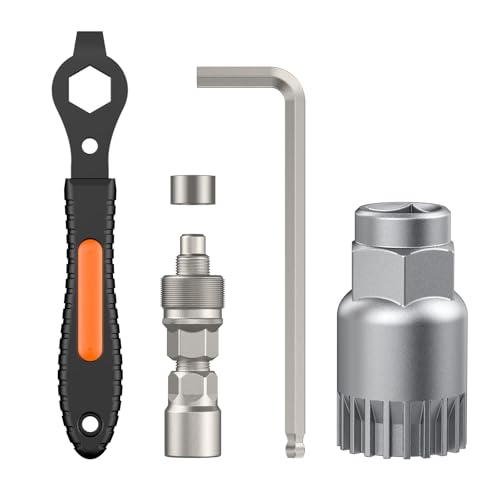
Before You Start
Start by assessing the bike’s condition. If it has value as a usable bike, consider donation or sale. For parts or metal recycling, separate components accordingly. Safety first: wear gloves, protect hands and eyes, and avoid sharp edges. Schedule a pickup or plan a drop-off at a local recycling center; many facilities accept bikes for metal recycling or repurposing programs. Estimate a 1–3 hour window depending on the bike’s condition and your familiarity with tools.
Step-By-Step: How To Get Rid Of Old Bikes
- Secure the bike by placing it on a stable surface or work stand to prevent slips during dismantling.
- Remove reflective gear, cage, water bottle holders, and accessories to simplify processing and improve resale or donation chances.
- Drain and remove any fluids if required by local guidelines and safe disposal rules.
- Disassemble the bike frame where needed: remove pedals, crank arms, and chain to separate parts for resale or recycling.
- Inspect the chain and gears; use the bike chain breaker tool to detach the chain for separate recycling or disposal.
- Separate materials: keep metal frames and components together, recycling aluminum and steel as appropriate, and set aside plastic parts for recycling streams.
- Check for value: some components may be resold for parts; list popular items like derailleurs, brakes, and wheels if in usable condition.
- Prepare for donation or sale: clean parts and assemble a simple inventory with condition notes to improve donor or buyer interest.
- Find disposal options: contact local bike shops for donation programs, or use municipal recycling centers that accept bikes or scrap metal.
- Transport to the chosen destination in a safe, organized manner, using appropriate bags or boxes for small components.
- Document receipt or donation for tax purposes if applicable and keep records for future reference.
- Recycle remaining materials at a facility that accepts metal and plastic according to local environmental guidelines.
Troubleshooting
| Symptom | Likely Cause | Fix | Prevention |
|---|---|---|---|
| Bike parts won’t separate | Stuck bolts or seized components | Apply penetrating oil; use appropriate tools | Loosen gradually; avoid forcing parts |
| Chain won’t come off | Chain is jammed or worn | Use chain breaker carefully; replace if stretched | Regular maintenance to prevent buildup |
| Scrap metal sorting confusion | Unsorted materials | Group by metal type; check local recycling guidelines | Plan ahead and label bags |
| Donation request denied | Bike not suitable for reclaim or repair | Offer parts or a smaller donation | Research donor programs beforehand |
Common Mistakes
- Trying to dismantle without the right tools, risking injury or damage
- Ignoring local disposal rules, leading to improper recycling
- Not separating parts by material, reducing recycling efficiency
- Overlooking sale or donation options for usable components
Tips For Best Results
- Label and photograph parts to aid resale or donation descriptions
- Store small fasteners in labeled bags to avoid loss
- Use a sturdy container for transporting metal components
- Check community programs: some cities partner with bike shops for charitable reuse
Call A Professional
Consider professional help if the bike is heavily damaged, if you lack proper tools, or if local rules require licensed disposal. Stop signs include: large quantities of bikes, suspected hazardous materials, or unclear regulations. A local recycling center or bike shop can advise on safe and compliant methods.
FAQ
Can I donate an old bike that doesn’t ride?
Yes, many donation programs accept non-working bikes for parts or rehab.
What should I do with a bike frame that’s bent or cracked?
Do not attempt to reuse it; take it to a metal recycling facility or a bike shop for guidance.
Are bike parts recyclable?
Yes, many components are recyclable as metal, plastic, or rubber; separate accordingly.
How can I avoid clutter when disposing of multiple bikes?
Plan a staged approach: donate usable bikes first, then dismantle for parts or scrap metal as needed.
Buying Guide
When evaluating options to dispose of old bikes, consider size, noise considerations of tools, energy efficiency of any processing methods, and control over the workflow. For a smoother process, compare disposal paths such as donation programs, local metal recycling centers, and professional pickup services. Placement matters too: keep bikes near entry points for easy loading and avoid blocking traffic or garage movement. Think about whether you want to maximize resale value or prioritize quick, compliant disposal, and choose tools that align with that goal. Do you need a compact toolkit for occasional dismantling, or a full set for frequent bike projects?
Leave a Reply