How to Clean a Ball Python Tank
The health and safety of a ball python depend on a clean, well-maintained enclosure. Regular cleaning removes waste, bacteria, and odor, reducing stress for the snake and creating a stable living environment. This guide provides practical steps, product recommendations, and safety tips to keep a terrarium spotless and safe.
Quick Answer
Clean the enclosure weekly, perform a full substrate change monthly, and wipe down all surfaces with a reptile-safe spray after removing the animal. Use a glass tank scraper for stubborn deposits and a hard bristle brush for scrubbing tough spots. Always rinse with clean water and dry before returning the snake.
What You’ll Need
- Reptile enclosure cleaning brush hard bristle for thorough scrubbing on racks, hides, and decor
- Reptile-safe spray bottle for enclosure cleaning to apply disinfectant and rinse
- Glass tank scraper for terrarium cleaning to remove stuck-on residue from glass surfaces
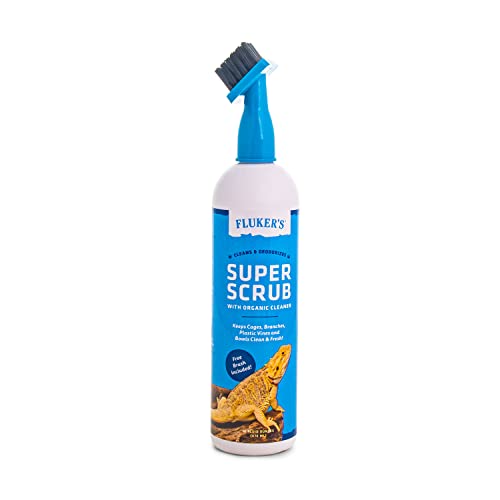

Before You Start
Prepare a clean, escape-proof staging area away from pets and children. Gather all supplies before removing the ball python to minimize stress. Time estimates vary—plan for 30–60 minutes for a partial cleaning and up to 90 minutes for a full substrate change. Important safety cautions include: never use harsh household cleaners, always rinse thoroughly, and ensure the enclosure is completely dry before reintroducing the snake. Maintain stable temperatures during and after cleaning to avoid stressing the animal.
Step-By-Step: How To Clean A Ball Python Tank
- Turn off heating and lighting, then calmly remove the ball python and place it in a secure temporary enclosure.
- Remove substrate and any decor from the enclosure and inspect items for damage or mold.
- Wipe down surfaces with a reptile-safe spray bottle, coating all interior walls, hides, and fixtures.
- Use the glass tank scraper to lift and remove stuck-on deposits from the glass without scratching.
- Scrub hard-to-clean spots with the reptile enclosure cleaning brush hard bristle, paying attention to corners and seams.
- Rinse the enclosure thoroughly with clean water to remove any cleaner residue.
- Air-dry or towel-dry surfaces completely before adding fresh substrate and reassembling décor.
- Place a fresh layer of substrate, reinstall hides and décor, and return the ball python to its enclosure once temperatures stabilize.
- Monitor humidity and temperature for 24–48 hours after cleaning to ensure a comfortable environment for the snake.
Troubleshooting
| Symptom | Likely Cause | Fix | Prevention |
|---|---|---|---|
| Residue remains on glass | Grease or tough mineral buildup | Reapply reptile-safe cleaner and scrub with glass tank scraper; rinse thoroughly | Clean monthly; wipe down after accidents or spills |
| Odor despite cleaning | Substrate contamination or dampness | Replace substrate and ensure proper ventilation | Use appropriate substrate depth and maintain airflow |
| Stale water odor | Water dish neglected | Empty, scrub, and refill water dish daily or every other day | Keep water fresh and accessible to the snake |
| Uneven temperatures after cleaning | Temp gradient disturbed by cleaning process | Re-check heater placement and thermostats; allow enclosure to re-stabilize | Schedule cleanings during stable ambient conditions |
Common Mistakes
- Using strong household cleaners that can leave harmful residues
- Rinsing inadequately, leaving chemical traces that irritate the snake
- Over-wetting substrate or decor, causing dampness and mold
- Neglecting to clean the water dish, leading to bacterial growth
Tips For Best Results
- Schedule routine cleanings to prevent heavy buildup of waste and algae.
- Label and store cleaning tools separate from husbandry gear to avoid cross-contamination.
- Test a small area first when using a new reptile-safe spray to ensure no adverse reaction.
- Document cleaning dates and substrate changes to maintain a consistent care routine.
Call A Professional
Seek a professional if you notice persistent mold growth, significant substrate mold, or if the enclosure shows signs of material deterioration that could compromise safety. If the snake shows signs of illness (loss of appetite, shedding issues, abnormal breathing), contact a reptile veterinarian promptly. Do not attempt complex repairs beyond routine cleaning without guidance from a qualified expert.
FAQ
How often should I clean a ball python tank?
Perform a quick weekly wipe-down and water dish cleaning, with a full substrate change and deep clean every 4–6 weeks, depending on enclosure size and waste load.
Can I use any spray to clean the enclosure?
Only use reptile-safe cleaners approved for enclosures to avoid chemical exposure that could harm the snake.
What should I do with the water dish during cleaning?
Remove it, wash with soap-free water, rinse thoroughly, and dry before refilling.
Is it safe to use a glass tank scraper on every tank?
Yes, when used gently on glass surfaces to avoid scratching; avoid plastic edges unless the scraper is designed for plastic.
How do I prevent mold after cleaning?
Ensure proper substrate depth, adequate ventilation, and quick drying of all surfaces before returning the snake.
What if I see signs of illness after cleaning?
Consult a licensed reptile veterinarian promptly; do not rely solely on home remedies for illnesses.
Buying Guide
When choosing cleaning tools and supplies for a ball python enclosure, consider size, material, and safety. A well-chosen kit supports regular maintenance without stressing the animal.
Size and fit: Tools should be comfortable to maneuver in the enclosure without causing disturbances to the snake or decor. Choose a brush with a handle long enough to reach the back corners of larger tanks.
Noise and ease of use: Look for tools that operate quietly and feel sturdy in hand. Ergonomic brushes and non-slip handles improve control during scrubbing.
Energy efficiency and eco-friendliness: Reusable spray bottles and brushes reduce waste. Opt for refillable bottles and durable brushes to minimize environmental impact.
Controls and compatibility: Use a spray bottle with adjustable mist settings to avoid over-wetting. Ensure cleaners are labeled reptile-safe and compatible with the enclosure materials.
Placement and storage: Store cleaning tools in a dedicated, sealable bin near the enclosure to prevent mixing with feeding supplies. Keep sprays away from heat sources and out of direct sunlight.
In practice, a minimal setup with a hard bristle brush, a reptile-safe spray bottle, and a glass tank scraper covers most cleaning scenarios. If the enclosure is larger or has complex décor, consider additional soft brushes for delicate surfaces and a dedicated dish for cleaning water bowls. Regular, consistent cleaning routines yield a healthier, happier ball python habitat.
Leave a Reply