How to Get Rid of Fog on Windows
Condensation on interior windows is common in basements, bathrooms, and kitchens, especially in humid climates or during seasonal changes. Foggy panes can obstruct views and promote mold growth if not addressed. This guide provides practical steps to reduce fog, improve air quality, and keep windows clear using readily available tools.
Quick Answer
To rapidly clear fogging, wipe with a window squeegee or microfiber cloth, use an anti fog spray designed for glass, and reduce moisture with a dehumidifier. Regularly dry and clean windows, and ensure proper ventilation to maintain a fog-free environment.
What You’ll Need
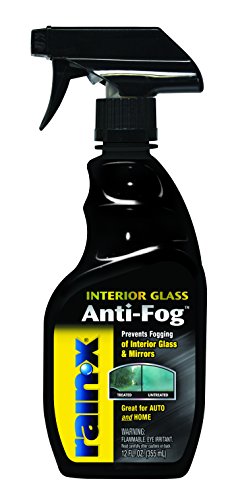
- anti fog spray for glass windows 12oz — to prevent fog between cleanings
- 50-pint dehumidifier for basement moisture control — to lower indoor humidity
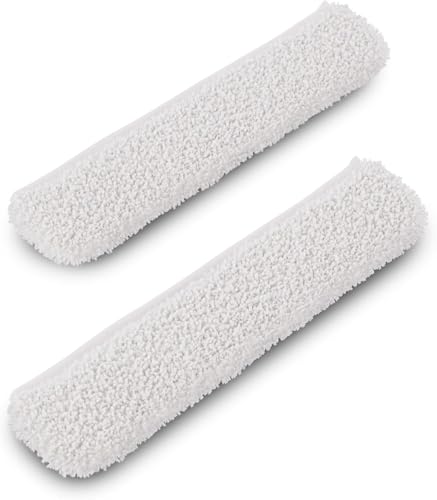
- window squeegee microfiber cloth set — for fast, streak-free drying and cleaning

Before You Start
Assess the source of moisture: poor ventilation, leaks, or high humidity. Clear the area around windows, remove excess moisture, and plan a lightweight cleaning session that won’t disrupt daily routines. Time estimate: 20–60 minutes for a typical room. Safety note: unplug electrical devices near moisture and keep cords away from damp surfaces to prevent shocks. If you notice visible leaks or water intrusion, address the underlying issue before relying on sprays or dehumidifiers.
Step-By-Step: How To Stop Window Fog
- Wipe surfaces: Use a microfiber cloth combined with the window squeegee to remove condensation from glass panes.
- Apply anti fog product: Spray anti fog spray for glass windows 12oz according to the label, then wipe with a clean cloth for an even coating.
- Dry surrounding frames: Wipe window frames and sills to remove any trapped moisture that can feed fog formation.
- Ventilate: Open a window or door briefly to exchange humid air with drier air, reducing ongoing condensation.
- Control humidity: Place a 50-pint dehumidifier for basement moisture control in the room or use a larger capacity unit if humidity remains high.
- Keep surfaces clean: Regularly clean glass with a microfiber cloth to remove oils and residues that can attract moisture.
- Seal drafts: Inspect for gaps around window frames and apply weather stripping or caulk as needed to cut moisture ingress.
- Set maintenance routine: Schedule periodic reapplication of anti fog spray and routine dehumidifier use during humid seasons.
Troubleshooting
| Symptom | Likely Cause | Fix | Prevention |
|---|---|---|---|
| Fog returns quickly after drying | Humidity remains high | Increase dehumidifier run time or capacity | Use vent fans during showers; keep interior humidity under 50% |
| Streaks after cleaning | Residue or improper drying | Use a clean microfiber cloth and dry in a single direction | Wipe with a dry cloth after applying spray |
| Fog on only certain windows | Leaks or poor insulation | Seal gaps around those windows | Inspect for drafts and improve insulation |
| Spray not sticking | Surface contamination or temperature out of range | Clean glass thoroughly and apply at room temperature | Apply during moderate ambient humidity |
Common Mistakes
- Over-spraying anti fog products and leaving sticky residues
- Ignoring room ventilation while dehumidifying
- Using harsh cleaners that leave film on glass
- Neglecting to seal drafts around windows
Tips For Best Results
- Combine anti fog spray with consistent cleaning to maintain clear panes longer.
- Pair a dehumidifier with exhaust fans in bathrooms and kitchens for steady humidity control.
- Place window condensation off-gassing products away from direct sun to extend their effectiveness.
- Inspect bedroom and living spaces for moisture sources like plants or occupant activities that increase humidity.
Call A Professional
When fogging persists despite proper dehumidification and ventilation, consider consulting a professional for a window sealing or insulation assessment. Stop signs include persistent condensation after weatherproofing, evidence of water intrusion, or structural window damage. If you notice mold growth around the windows or hidden leaks, a pro evaluation is warranted.
FAQ
Can anti fog spray damage window coatings?
Most products are formulated for glass and safe coatings when used as directed; always follow label instructions.
Will a dehumidifier alone stop window fog?
Dehumidifiers reduce moisture in the air, but combining them with ventilation and surface cleaning yields best results.
How often should I reapply anti fog spray?
Reapplication depends on humidity levels and product directions; monitor fog levels and reapply as needed.
Is it safe to use a window squeegee on all window types?
Generally safe for glass, but avoid using on specialty coatings or fragile panes without manufacturer guidance.
Buying Guide
When selecting products to keep windows fog-free, consider a few practical factors that influence performance and value.
Size and crop of windows
For larger panes, a broader squeegee and a more effective cleaner can speed up maintenance. Smaller windows benefit from compact tools that reach corners easily.
Noise level and energy use
Dehumidifiers vary in noise and energy consumption. Look for Energy Star-rated models if daily operation is expected, especially in living spaces and bedrooms.
Moisture control and placement
Choose a dehumidifier with sufficient capacity for the room size. Place units away from walls and ensure proper drainage to prevent water buildup.
Controls and maintenance
Digital humidity readings and easy-to-clean filters help maintain consistent performance. Select tools that are easy to replace or refresh with routine cleaning.
Compatibility with existing windows
Ensure anti fog sprays are safe for your window materials and coatings. Check product labels for compatibility with glass, vinyl, or wooden frames.
Overall value
Bundle options that include anti fog spray, cleaning cloths, and a compatible dehumidifier can offer cost savings and streamlined maintenance. Consider your typical humidity levels and seasonal variability when evaluating value.
Leave a Reply