How to Clean Stainless Steel With Baking Soda and Vinegar
Stainless steel appliances add a sleek, modern look to kitchens, but keeping their finish pristine can be challenging. The combination of baking soda and vinegar offers a simple, effective, and affordable approach to removing grime, fingerprints, and mineral deposits without harsh chemicals. This guide outlines a practical, step-by-step method tailored for American homes.
The method focuses on common household items and a few careful techniques to avoid dulling finishes or scratching surfaces. By following these steps, homeowners can restore shine and extend the life of their stainless steel appliances.
Quick Answer
Sprinkle baking soda on a damp non-scratch sponge, scrub gently, then wipe with a microfiber cloth. For tough spots, spray white vinegar, let sit briefly, and wipe clean. Finish with a polishing cloth to restore luster.
What You’ll Need
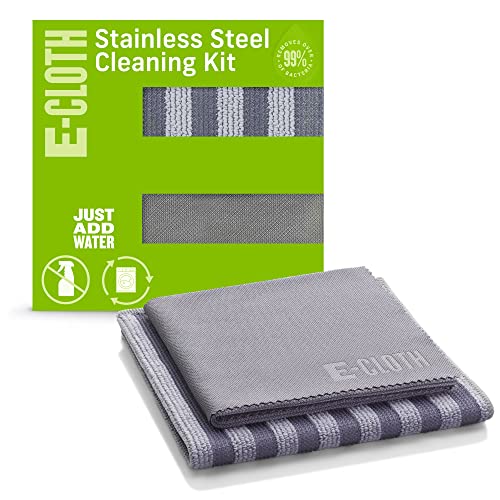
- Stainless steel cleaning kit
- Microfiber cloths
- Non-scratch sponge
- Stainless steel appliance polishing cloth set
- Stainless steel scrub brush


Before You Start
Clear the area around the appliance and unplug small devices if accessible. Work in a well-ventilated space. Test any cleaner on a small, inconspicuous area first to avoid potential streaking or discoloration. Time estimate: 15–25 minutes for routine cleaning, longer for heavy buildup. Avoid using steel wool or highly abrasive pads as they can scratch the surface.
Step-By-Step: How To Clean Stainless Steel With Baking Soda And Vinegar
- Prepare a cleaning paste by mixing baking soda with a small amount of water to form a thick consistency.
- Apply the paste to a damp non-scratch sponge and gently scrub in the direction of the grain to lift dirt without scratching.
- Rinse the sponge with warm water and wipe away the paste, keeping the surface damp but not soaking wet.
- Spray a light mist of white vinegar onto the surface and let it sit for 30 seconds to dissolve mineral deposits and fingerprints.
- Wipe the area with a dry microfiber cloth, again following the grain to reduce streaks.
- For stubborn spots, reapply the baking soda paste to a small area and scrub gently, then rinse and dry thoroughly.
- Use a polishing cloth from the stainless steel appliance polishing cloth set to buff the surface in smooth, circular motions until it shines.
- Address edges, corners, and seams with a microfiber cloth to remove any remaining residue.
- Inspect for streaks; if present, wipe with a clean, dry microfiber cloth until the finish reads evenly.
- Optionally seal the surface with a light spray of vinegar and wipe, then buff with a final dry cloth for a showroom finish.
- Store cleaning tools in a dry cabinet to prevent future dulling or contamination.
Troubleshooting
| Symptom | Likely Cause | Fix | Prevention |
|---|---|---|---|
| Cloudy or streaky finish | Residual cleaner or improper drying | Re-wipe with a dry microfiber cloth in the direction of the grain | Always rinse and dry completely after cleaning |
| Scratches appear after cleaning | Using abrasive tools | Switch to non-scratch sponge and microfiber cloths | Avoid steel wool and harsh scrubbing |
| Stains that won’t lift | Deep mineral deposits | Apply baking soda paste, let sit briefly, then scrub gently | Clean regularly to prevent buildup |
| Discoloration near handles | Harsh chemicals or improper technique | Use gentler paste and ensure even coverage | Test spot first and follow grain direction |
Common Mistakes
- Using excessive vinegar or leaving it on too long can cause streaks.
- Scrubbing against the grain increases the risk of scratches.
- Skipping the rinse step can leave residue that attracts more dirt.
- Neglecting to dry surfaces after cleaning leads to water spots.
Tips For Best Results
Always work with the grain and use a dry or lightly damp microfiber cloth for final polishing. For appliances with fingerprints, finish with a polished cloth to restore shine. Keep the cleaning routine simple: a quick wipe with baking soda paste weekly, followed by vinegar for mineral deposits, helps maintain a crisp finish without buildup.
Call A Professional
Seek professional help if stainless steel finishes appear permanently etched, severely pitted, or if coatings on specialized appliances exist. Signs to call a pro include persistent discoloration that doesn’t respond to standard cleaning, bubbling or peeling coatings, and areas where cleaning attempts have caused surface damage or warping.
FAQ
Can baking soda and vinegar damage stainless steel?
When used properly, they are safe for most stainless steel finishes. Avoid prolonged exposure on sensitive coatings and never mix together in a closed container.
Is it better to use vinegar before baking soda or after?
Typically, vinegar is used after applying the baking soda paste to dissolve residues, then wiped away. Follow with a dry buff for best results.
Why are some areas still dull after cleaning?
Dullness can come from mineral buildup or improper drying. Re-clean with a grain-directed approach and finish with a polishing cloth.
Can I use commercial stainless steel cleaners instead?
Yes, but baking soda and vinegar provide a gentle, inexpensive option. Always test on a small area first and follow label instructions for any commercial product.
Buying Guide
When choosing tools and products for cleaning stainless steel, consider size, noise level, energy efficiency (for powered cleaners), controls, and placement in the kitchen. Look for items that maintain a soft touch to prevent scratches, and prioritize tools designed for stainless steel finishes. For busy households, a compact stainless steel cleaning kit with microfiber cloths and a non-scratch sponge can cover most routine needs. If frequent maintenance is expected, a dedicated polishing cloth set helps preserve luster after each cleaning. Finally, select tools that store neatly near the appliance to encourage quick, regular cleaning rather than infrequent deep cleans.
Leave a Reply