How to Clean Coins With Baking Soda
Cleaning coins can reveal their details, but it must be done carefully to avoid damaging their surfaces or reducing value. Baking soda offers a gentle, accessible option for routine cleaning when used correctly. This guide focuses on safe methods for common coins and highlights tools that align with a basic coin care routine.
Quick Answer
Use a soft-bristle brush, mild baking-soda solution, and a microfiber cloth for light tarnish on non-valuable coins. For stubborn grime, proceed with caution, limiting rubbing and checking that you don’t remove patina or mint marks. When in doubt, test on a less valuable coin first or skip cleaning on coins of significant value.
What You’ll Need
Collect these tools and materials to get started. They are chosen to work with common coin finishes while minimizing risk of damage.
- Coin cleaning kit soft-bristle brush for gentle scrubbing
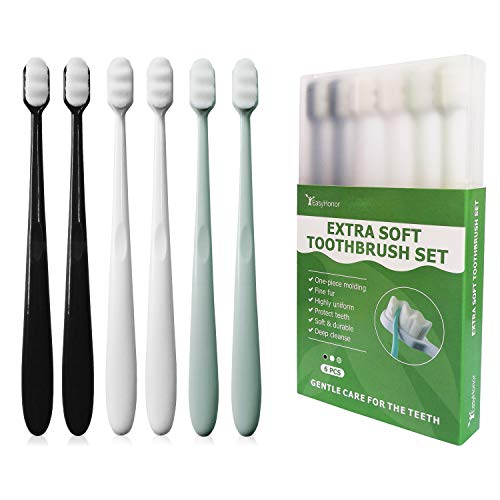
- Soft-bristle toothbrush for coin cleaning as an alternative brush
- Baking soda in a small amount for a mild paste or solution
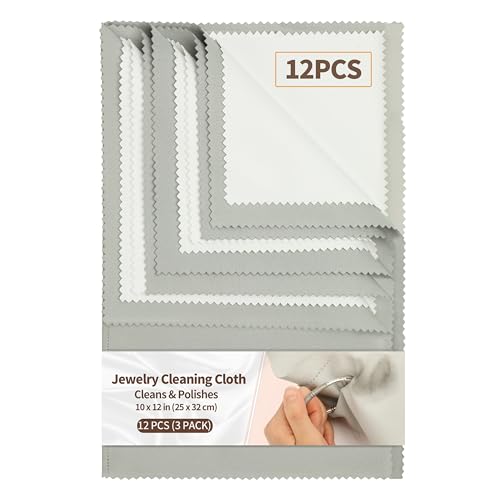
- Microfiber polishing cloth or lint-free cloth for drying and final polish
Before You Start
Review the conditions below before cleaning any coin. Avoid aggressive chemicals or scouring pads, which can scratch surfaces and reduce value. Work on a well-lit, stable workspace and position coins with the heads facing up when documenting before cleaning. Time to complete varies by coin condition, typically 5–15 minutes per piece. Consider testing on a low-value coin first to gauge the effect.
Step-By-Step: How To Clean Coins With Baking Soda
- Place the coin on a clean, soft surface to prevent scratches during handling.
- Prepare a mild baking-soda paste by mixing a small amount with distilled water until it forms a thick consistency.
- Dip the soft-bristle brush into the paste and gently brush along the coin’s surface in a circular motion.
- Avoid rubbing hard on delicate areas like lettering and edges to preserve mint marks and patina.
- Rinse the coin under lukewarm distilled water to remove all paste residues.
- Pat dry with a microfiber polishing cloth or lint-free towel; do not rub aggressively.
- Inspect the coin under good light; if tarnish remains and the coin is non-valuable, repeat once or twice carefully.
- Consider repeating the rinse and dry step with plain water only if residue persists.
- Store cleaned coins separately in soft holders to prevent contact with other metals.
- Document any changes to the coin’s appearance for future reference or appraisal.
- Resume cleaning with higher caution on precious or older coins; seek professional advice if needed.
- Dispose of the paste and wash your tools after completing the process.
Troubleshooting
| Symptom | Likely Cause | Fix | Prevention |
|---|---|---|---|
| Rash of scratches | Overly aggressive brushing | Switch to lighter touches and softer brushes | Test on a non-valuable coin first |
| Persistent dull finish | Tarnish deeply embedded or patina loss | Limit cleaning; consider professional evaluation | Avoid frequent cleaning |
| Green or blue stains | Reaction with copper alloys | Stop cleaning; rinse immediately | Use distilled water and gentle methods only |
| Residue after rinse | Paste not fully removed | Extra rinse with distilled water and wipe dry | Rinse thoroughly in stages |
Common Mistakes
- Using strong abrasives or scouring pads on coins
- Cleaning coins with vinegar or lemon juice, which can etch metals
- Rubbing coins dry with rough fabrics that scratch surfaces
- Cleaning valuable coins without professional advice
Opt for mild methods and always consider a coin’s intrinsic value before cleaning. When in doubt, skip cleaning and focus on storage and protection instead.
Tips For Best Results
- Always use distilled water to minimize mineral deposits and streaks.
- Keep soft-bristle brushes dedicated to coin cleaning to prevent cross-contamination with other tasks.
- Test a small less valuable coin first to calibrate pressure and technique.
- Dry coins promptly to prevent water spots and corrosion on exposed metals.
- Store cleaned coins in protective holders away from moisture and air exposure.
Call A Professional
Seek professional help if a coin is rare, valuable, or shows signs of vital patina that could be damaged by cleaning. Stop cleaning immediately if you notice any flaking, discoloration, or edge wear that could affect value. Professionals can advise on restoration options or conservation best practices.
FAQ
Is baking soda safe for all coins?
Baking soda is relatively gentle but not universal. It is best for non-valuable coins or coins with light tarnish and should be used cautiously on sensitive finishes.
Can baking soda remove oxidation entirely?
It may reduce superficial tarnish, but it can’t reliably restore deep oxidation or recover lost mint luster on all coin types.
Should I wash coins with soap and water instead?
Mild soap and water can be an alternative for some coins, but ensure thorough drying and avoid rough handling.
What if a coin’s patina disappears after cleaning?
Patina is part of a coin’s character and value for collectors. If cleaning removes it, you may have diminished value; consult a professional before proceeding further.
How should coins be stored after cleaning?
Use inert holders, avoid PVC, store in a cool, dry place, and minimize handling to preserve the finish.
Buying Guide
When choosing gear to clean coins with baking soda, consider size and scope of cleaning tasks. Look for a coin cleaning kit that includes a soft-bristle brush and microfiber cloth. Pay attention to material compatibility with common coin alloys and ensure the kit emphasizes gentleness to protect surfaces. Consider noise, ease of use, and portability if cleaning on the go. For more involved cleaning or valuable coins, a professional-grade approach or assessment may be appropriate.
Leave a Reply