How to Clean Oil Off Tile Floor
Oil spills and greasy smudges on ceramic or porcelain tile floors can leave dull spots and slippery hazards. With the right approach and products, you can restore a clean, matte finish without damaging the grout or sealed surface. This guide walks American homeowners through a practical, step‑by‑step method to remove oil from tile floors safely and effectively.
Quick Answer
Start with blotting and absorbent powders to lift excess oil, then use a degreasing cleaner and a scrub brush or microfiber mop. Rinse well and repeat as needed. For persistent spots, apply a dedicated oil stain remover for ceramic tile floor and follow with a final rinse. Always test in a small area first.
What You’ll Need
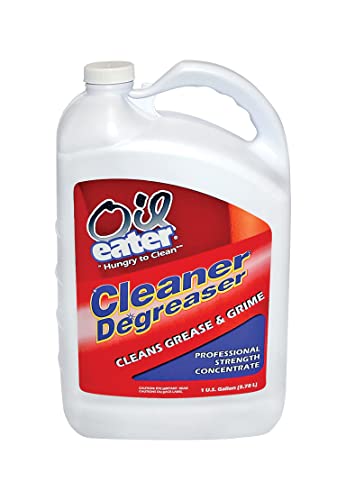
- Oil stain remover for ceramic tile floor 1 gallon
- Citrus degreaser for tile floors grease cleaner 32 oz
- Microfiber mop with scrubbing head for grease on ceramic tile
- Absorbent material (baking soda, kitty litter, or commercial absorbent)
- Warm water
- Soft bristle brush or old toothbrush for grout
- Bucket and sponge or spray bottle


Before You Start
Before tackling oil on tile, prepare the area by removing furniture and securing small children or pets. Wear gloves to protect skin from cleaners, and ensure proper ventilation. Clear any loose debris to prevent gritty particles from scratching the tile surface. Time estimates vary by spill size: light smudges take 15–30 minutes; larger or deeper stains may require 1–2 hours plus drying time. Critical cautions include avoiding abrasive pads that can scratch the tile and never mixing cleaners not approved for ceramic tile floors.
Step-By-Step: How To Clean Oil Off Tile Floor
- Contain the spill: If the oil is fresh, blot gently with paper towels or a cloth to absorb as much as possible without rubbing it in. Avoid spreading the stain.
- Apply absorbent material: Cover the area with baking soda, baking powder, or a commercial absorbent. Let it sit 10–15 minutes to soak up the oil, then sweep or vacuum the material away.
- Pre-treat with citrus degreaser: Lightly spray or dampen the area with a citrus degreaser for tile floors grease cleaner 32 oz. Allow it to sit for 3–5 minutes to loosen embedded grease.
- Scrub the grout and surface: Using a soft bristle brush or toothbrush, scrub the grout lines and tile surface where the oil sits. A microfiber mop with a scrubbing head works well to lift grease without scratching.
- Rinse and repeat: Rinse the area with warm water and mop up the dirty solution. If the oil remains, reapply the citrus degreaser and scrub again, then rinse thoroughly.
- Apply an oil stain remover for ceramic tile floor: For stubborn spots, apply the oil stain remover following product directions. Allow it to dwell as recommended, then scrub and rinse until the stain lightens.
- Inspect and dry: Check for any remaining slick areas. Dry with a clean towel or allow air drying to prevent re-slippage and to reveal the tile’s true color.
- Final pass for shine: If desired, perform a final pass with a clean microfiber mop and fresh water to leave the floor looking uniform.
- Preventive care: Consider sealing porous grout or reapplying a surface sealer to reduce future oil absorption and simplify maintenance.
- Store cleaners properly: Cap bottles tightly and store away from children and pets after use.
Troubleshooting
| Symptom | Likely Cause | Fix | Prevention |
|---|---|---|---|
| Oil stain persists after cleaning | Oil deeply absorbed into porous grout | Repeat degreaser treatment and, if needed, oil stain remover for ceramic tile floor | Seal grout and mop frequently to prevent buildup |
| Grease reappears after drying | Residual cleaner left behind or uneven application | Rinse thoroughly with clean water and dry completely; re-clean problematic area | Use recommended dilution and thorough rinsing on every pass |
| Tile shows dull spots | Abrasive scrubbing or wrong cleaner | Switch to a non-abrasive, tile-safe cleaner and use a microfiber mop | Test on a small area before full use |
| Grout discoloration | Stain migration or improper cleaning | Spot-clean grout with a grout-safe cleaner and a small brush | Regular grout sealing and gentler cleaning |
Common Mistakes
- Using harsh abrasive pads that scratch tile and grout.
- Not ventilating the area, especially when working with degreasers.
- Rushing the rinse step, leaving soap or cleaner residues behind.
- Mixing cleaners unless the product instructions explicitly allow it.
- Ignoring grout lines, which can trap oils and darken over time.
Tips For Best Results
- Act quickly on fresh oil spills to prevent hardening and penetration into grout.
- Test any cleaner on a small, inconspicuous area first.
- Choose a microfiber mop with a scrubbing head to balance agitation and surface care.
- Coordinate stain removal with routine floor cleaning to maintain appearance and safety.
- Consider periodic resealing of grout to minimize future absorption of oils.
Call A Professional
If stains are extensive, if there is a persistent oily film, or if the tile shows damage after cleaning, it is prudent to consult a professional. Stop signs include: persistent slick patches, staining that darkens over time, or grout degradation. A tile and grout specialist can perform a deeper cleaning, regrouting, or sealing as needed to restore safety and aesthetics.
FAQ
Can I use soap and water to clean oil off tile floors?
Soap and water can help remove light grease, but for stubborn oil, a degreaser or oil stain remover yields better results.
What’s the best way to protect tile from future oil spills?
Use absorbent mats near entryways and apply a tile-safe degreaser regularly to prevent buildup. Sealing grout can reduce oil absorption.
Is citrus degreaser safe for all tile floors?
Most ceramic and porcelain tiles tolerate citrus degreasers, but always test first and follow product directions.
How long does it typically take to clean an oil stain on tile?
Light stains may resolve in 15–30 minutes; deeper stains can take 1–2 hours with multiple applications and proper drying time.
Buying Guide
Choosing the right supplies for cleaning oil off tile floors involves evaluating size, effectiveness, and safety. The key buying factors below help ensure you have a reliable kit for American households.
Size and coverage: If you encounter frequent spills, opt for larger concentrate bottles or gallon containers of oil stain remover for ceramic tile floor and degreasers. A 32 oz bottle often balances cost and use for typical homes.
Cleaning power vs. safety: Look for pH‑balanced, tile‑safe formulas. Citrus degreasers offer strong grease-cutting action but should be gentle enough for sealed tiles and grout when used as directed.
Surface compatibility: Ensure cleaners are labeled for ceramic tile, porcelain, and grout. Some products are formulated specifically for kitchen floors where oil is common.
Application method: Consider sprays, foaming cleaners, or ready‑to‑use formulas. For grout cleaning, a brush attachment or a scrubby head can reduce effort compared with plain mopping.
Ease of use: A microfiber mop with scrubbing head makes repeated cleaning more efficient and helps protect tile surfaces from scratches during grease removal.
Storage and safety: Choose bottles with child‑proof caps and clear instructions. Proper ventilation is important when using degreasers, so pick products with low odor if possible.
Brand and support: Opt for reputable brands that provide compatibility guides and cleaning instructions. Availability of a refill option helps with long‑term maintenance.
Leave a Reply