How to Clean Conch Meat: A Practical Guide for Home Shellfish Prep
Conch meat is prized for its firm texture and delicate flavor, but cleaning it properly is essential to maximize quality and safety. This guide walks through a clear, step-by-step method for preparing conch meat from raw to ready-to-cook, using common kitchen tools. Readers will learn how to remove grit, separate the edible muscle, and protect the meat during preparation.
Quick Answer
Clean conch meat in cold water, trim any tough sections, and use a sharp paring or shellfish knife to remove the tough outer membrane. A stiff nylon brush helps scrub the surrounding grit, while a separate, clean cutting surface reduces cross-contamination. For best results, work calmly in small batches and keep the meat chilled until ready to cook.
What You’ll Need
- Conch meat cleaning knife stainless steel 4 inch paring knife for precise trimming and membrane removal
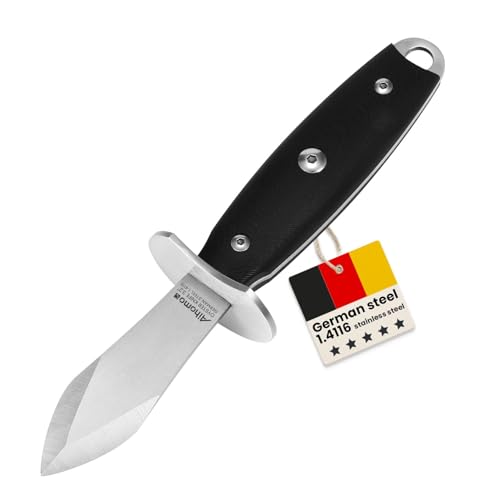
- Oyster shucking knife stainless steel shellfish knife for conch as a secondary tool for delicate work
- Shellfish cleaning brush stiff nylon bristles to scrub grit from the meat and shell fragments


Before You Start
Before cleaning conch meat, prepare a clean workspace and gather all tools. Rinse hands and surfaces to minimize contamination. Keep a bowl of ice water or a bowl with cold water nearby to rinse the meat as you work. Time estimate: 15–25 minutes for a small batch, longer for larger quantities. Important cautions: ensure knives stay sharp to avoid slippage, and never use damaged equipment. Maintain proper hygiene throughout the process.
Step-By-Step: How To Clean Conch Meat
- Place the conch shell aside and rinse the shell with running cold water to remove loose sand and debris.
- Use a conch meat cleaning knife to carefully cut away the outer tough membrane and any yellowish or tough tissue from the conch muscle.
- Slide the knife blade along the inner surface to detach the conch from the shell wall, then lift the meat away in a clean piece.
- Drop the clean conch meat into a bowl of cold water. Gently agitate to remove granules of sand that may cling to the meat.
- Inspect each piece for grit or sandy chunks. If grit is present, use the shellfish cleaning brush to scrub the meat briefly while it remains cold.
- Trim away any fibrous or discolored portions with the paring knife, keeping the resulting portion uniform in size for cooking.
- If the conch is used for ceviche or quick-cook dishes, give the meat a final rinse and pat dry with a clean towel or paper towel.
- For larger batches, repeat rinsing steps in a colander under cold water to ensure all grit is removed.
- Store cleaned conch meat in a resealable container with a wrap of paper towel to absorb excess moisture until use.
- When ready to cook, pat the meat dry again and season or marinate as your recipe directs.
- After use, thoroughly clean all tools and wipe the workspace with a food-safe sanitizer or hot soapy water and dry completely.
- Dispose of any shell fragments or unused parts responsibly to avoid attracting pests or odors.
Troubleshooting
| Symptom | Likely Cause | Fix | Prevention |
|---|---|---|---|
| Grit remains after rinsing | Sand trapped in muscle fibers | Rinse in cold water using the brush; repeat until clear | Rinse immediately after removing meat from shells |
| Meat tears or is mushy | Overhandling or using a dull knife | Use a sharp knife and handle gently | Keep meat cold and minimize contact time |
| Unpleasant odor | Old or improperly stored conch | Discard questionable portions; rinse thoroughly | Buy fresh conch and refrigerate promptly |
| Cross-contamination risk | Dirty tools or surfaces | Sanitize workspace and equipment between batches | Dedicated cutting boards for seafood |
Common Mistakes
- Rushing the trimming process and removing too much meat
- Using low-quality or dull knives that slip easily
- Skipping the initial shell rinse, which leaves grit in the meat
- Not keeping the meat cold between prep steps
Tips For Best Results
- Chill conch meat before cleaning to reduce sliding and improve control
- Keep a dedicated set of seafood tools away from other utensils to prevent cross-use errors
- Work in a well-lit area so you can clearly see the membrane and any grit
- Use a light touch with the knife to avoid tearing delicate muscle fibers
- Consider a quick brine rinse if sand seems stubborn, followed by a final cold-water rinse
Call A Professional
In most home settings, cleaning conch meat is straightforward. Seek professional help if the shell contains unusual odors, if the meat appears discolored, or if there is any doubt about the freshness or safety of the seafood. Unexpected textures or signs of spoilage warrant expert advice or discarded portions to avoid illness.
FAQ
How do I know if conch meat is fresh?
Fresh conch should have a clean, ocean-like aroma and firm texture with no slimy surface.
Can I freeze cleaned conch meat?
Yes, after thorough cleaning and patting dry, you can freeze conch meat in airtight packaging for later use.
What kitchen tools work best for cleaning conch?
A sharp paring knife and a sturdy shellfish knife are ideal, complemented by a stiff nylon brush for debris.
Is soaking in water necessary?
Soaking helps loosen grit but should be followed by a thorough rinse to remove any remaining sand.
Buying Guide
When selecting gear for cleaning conch meat, consider size and ergonomics. A 4 inch paring knife with a comfortable grip allows precise trimming without fatigue. A reliable shellfish knife can assist with removing tough membranes without damaging the meat. A stiff nylon brush makes short work of shell grit without abrading the meat itself. Look for corrosion-resistant stainless steel for durability and easy cleaning. Consider a dedicated seafood prep station or cutting board that’s easy to sanitize. Noise level is not typically a concern for manual prep, but choose tools that feel balanced and sturdy. For storage, use airtight containers and keep cleaned conch in the coldest part of the refrigerator if not cooking immediately. Finally, assess your cooking goals—whether you plan to pan-sear, sauté, or prepare ceviche—as this can influence how finely you trim and portion the meat for consistent results.
Leave a Reply