How to Clean Porcelain Figurines
Porcelain figurines add charm to shelves and display cases, but maintaining their delicate surfaces requires care. This guide walks American users through a practical, safe cleaning process using common tools and gentle techniques to preserve color, glaze, and details.
By following proven steps, owners can remove dust, fingerprints, and grime without risking cracks, chips, or fading. The focus is on simple household supplies and a careful touch that protects the figurines for years to come.
Quick Answer
Keep it gentle with soft brushes and microfiber cloths, use warm water with a tiny amount of mild soap, and avoid harsh cleaners or soaking. Dry thoroughly and handle pieces by their base or sturdy areas.
What You’ll Need
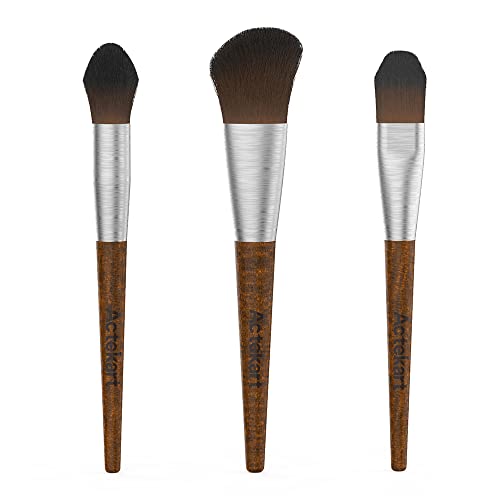
- Soft bristle brush for porcelain figurines cleaning
- Microfiber cleaning cloth for delicate porcelain figurines
- Porcelain figurine cleaning kit


Before You Start
Prepare a clean, well-lit workspace with a soft mat or towel to cushion objects. Inspect each figurine for loose parts or delicate paint; if a piece feels fragile, handle with extreme care. Test cleaning on a small inconspicuous area first to ensure no discoloration. Time estimate: 15–30 minutes per thorough cleaning, depending on the number of pieces.
Safety notes: avoid hot water, harsh chemicals, or abrasive tools. Do not immerse display pieces with glued ornaments or delicate attachments; moisture can loosen adhesives and damage finishes.
Step-By-Step: How To Clean Porcelain Figurines
- Place the figurine face-down on a clean microfiber cloth to stabilize it during dusting.
- Gently remove loose dust with a soft bristle brush for porcelain figurines cleaning, using light, circular motions.
- Mix a tiny amount of mild dish soap with warm water in a small bowl.
- Dampen the microfiber cloth (do not soak) and wipe the figurine’s surfaces, paying attention to crevices and fins of details.
- For stubborn grime, use the porcelain figurine cleaning kit tools or a soft brush to lift dirt without scrubbing.
- Rinse the cloth with clean water, then wipe again to remove soap residue.
- Dry the piece with a dry microfiber cloth, ensuring all moisture is removed from joints and bases.
- Check for remaining dust after drying and repeat if needed, again using gentle strokes.
- Put the figurine back on a stable display surface, ensuring it isn’t leaning or unbalanced.
- Document any loose paint or cracks and plan on professional care if structural concerns appear.
- Store cleaning materials out of reach of children and pets to avoid accidental handling during cleaning sessions.
- Regular maintenance: dust lightly every few weeks to prevent heavy buildup.
Troubleshooting
| Symptom | Likely Cause | Fix | Prevention |
|---|---|---|---|
| Dust returns quickly | Infrequent cleaning | Increase cleaning frequency to every 2–4 weeks | Use a display cover or shelf with low humidity |
| Cracks or chipping when handling | Excessive pressure or brittle glaze | Handle by base, avoid edges; use two hands | Store pieces away from high-traffic areas |
| Fading or paint flaking | Harsh cleaners or sun exposure | Switch to mild soap and water; rotate display | Keep away from direct sunlight |
| Water marks after cleaning | Rinsing residue | Wipe with a dry microfiber cloth until fully dry | Rinse minimal soap and dry promptly |
Common Mistakes
- Using abrasive brushes or scrubbers that scratch glaze
- Soaking figurines, especially those with glued parts or painted details
- Applying harsh chemicals or household cleaners not designed for porcelain
- Handling without support, risking drops or stress at joints
Sticking to gentle tools and controlled moisture helps maintain the porcelain’s original finish and protects painted accents.
Tips For Best Results
- Dust regularly with a dry brush to prevent buildup that requires soaking.
- Test any tool on an inconspicuous area before proceeding broad cleaning.
- Keep cleaning sessions brief and calm to minimize risk of accidents.
- Rotate display positions to reduce light exposure on one side.
- If pieces are particularly valuable, consider consulting a professional conservator for preservation recommendations.
Call A Professional
When a figurine shows severe cracks, paint loss, or structural damage, do not attempt extensive repair at home. Seek a professional restorer or conservator who specializes in porcelain. Immediate professional help is advised if glazes appear compromised, if glue or repairs are visible, or if there are signs of moisture damage behind the finish.
FAQ
Can I use tap water to clean porcelain figurines?
Yes, but use warm, not hot, water and a small amount of mild soap to avoid damage.
What should I do if paint starts to come off?
Stop cleaning that area and consult a professional conservator to prevent further loss.
Is soaking necessary for tough grime?
Generally no; damp cloth and gentle brushing are sufficient and safer for most pieces.
How often should I dust my porcelain figurines?
Dust lightly every 2–4 weeks to minimize buildup and reduce cleaning time.
Buying Guide
When selecting tools for cleaning porcelain figurines, consider these factors to maximize safety and effectiveness:
- Size and weight of the figurines—larger pieces may require sturdier support and a larger working space.
- Softness of brushes—choose natural or synthetic soft bristles labeled for delicate surfaces.
- Quality of microfiber cloths—look for lint-free, highly absorbent materials to avoid fibers clinging to glaze.
- Completeness of a cleaning kit—a dedicated porcelain figurine cleaning kit should include a brush, cloth, and gentle cleaning solutions.
- Noise and energy considerations—manual cleaning is quiet and energy-efficient; avoid power tools on fragile items.
- Placement considerations—display away from direct sun, heat vents, and high-traffic areas to minimize damage between cleanings.
- Maintenance compatibility—ensure tools work with your display environment (glass cabinets, open shelves, or velvet-lined cases).
With these factors in mind, owners can build a practical cleaning routine that preserves the luster of porcelain figurines while keeping handling safe and straightforward. If in doubt, start with basic tools and gradually introduce kit components to tailor the process to each piece.
Leave a Reply