How to Clean Coffee Stains From Mugs
Coffee stains can cling to ceramic mugs, especially those with porous interiors or long-term use. This guide walks through practical methods that work with common household products, while highlighting how to prevent future staining and keep mugs looking bright and fresh.
Understanding stain removal for mugs involves choosing the right cleaner, applying gentle scrubbing, and allowing time for any baths or reactions to work. The methods below are suitable for most standard ceramic mugs used in American homes.
Quick Answer
For quick results, start with a gentle soak in warm water mixed with a mild cleanser, then scrub with a long-handled ceramic mug cleaning brush. If stains persist, try a dedicated stain remover powder for ceramic mugs or a non-abrasive cleanser like Bar Keepers Friend, following product directions carefully.
What You’ll Need
- coffee mug stain remover powder for ceramic mugs
- ceramic mug cleaning brush with long handle
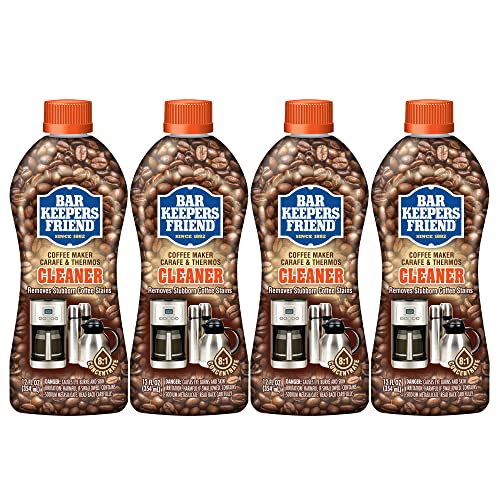
- bar keepers friend cleanser for coffee stains mugs


Before You Start
Prepare a clean workspace and protect surfaces from splashes. Use warm water rather than hot to avoid setting more stains. Test any cleaner on a small, inconspicuous area first to ensure it won’t discolor the glaze. Estimate about 15–30 minutes of active time, plus time for soaking if needed. If mugs have delicate finishes or gold rims, skip aggressive abrasives and stick to gentler cleaners.
Step-By-Step: How To Clean Coffee Stains From Mugs
- Rinse the mug under warm water to remove residual coffee and loose debris.
- Create a cleaning solution by mixing warm water with a mild dish soap in the mug or a small bowl.
- Dip the ceramic mug cleaning brush with long handle into the solution and scrub the interior in a circular motion, focusing on stained areas.
- If stains persist, sprinkle a small amount of coffee mug stain remover powder for ceramic mugs onto the brush or directly into the mug, then scrub again.
- For stubborn stains, make a paste with Bar Keepers Friend cleanser for coffee stains mugs and water; apply to the stain with the brush and let stand for 1–2 minutes.
- Rinse thoroughly with warm water to remove all cleaner residue. Repeat steps if necessary.
- Optionally, place the mug in a dishwasher if it is dishwasher-safe, using a standard cycle with a non-abrasive detergent.
- Dry with a clean towel or air dry completely before using again to prevent water spots.
Troubleshooting
| Symptom | Likely Cause | Fix | Prevention |
|---|---|---|---|
| Stains persist after washing | Deep-set mineral or tannin stains | Use stain remover powder for ceramic mugs and re-scrub with the brush | Pre-rinse after every use; avoid leaving coffee in the mug |
| Scratches or dull glaze after scrubbing | Abrasive cleaner or stiff brush | Switch to a softer brush and non-abrasive cleaners | Clean with gentle motions and test cleaners first |
| Discoloration near rim | Build-up from minerals or aging glaze | Apply Bar Keepers Friend according to instructions and rinse well | Regular light cleaning to prevent build-up |
| Rings or water spots after drying | Hard water mineral deposits | Wipe with a microfiber cloth and dry completely | Rinse with filtered water if possible |
Common Mistakes
- Using abrasive scrubbers that scratch ceramic glaze
- Letting stains soak for too long without monitoring the cleaner’s directions
- Mixing cleaners that may react or leave residues
- Cleaning in a dirty sink or with dirty brushes that recontaminate mugs
Sticking to gentle tools and following product directions reduces the risk of damage while improving stain removal outcomes.
Tips For Best Results
- For routine upkeep, rinse mugs promptly after use and wash with mild soap to prevent tannin buildup.
- Consider a rotating cleaning routine: light wash after every use, deeper clean weekly, and targeted stain treatment monthly.
- Use warm water rather than hot; it helps loosen stains without risking glaze damage.
- Store mugs upright and dry to prevent mildew and odor buildup in the glaze interior.
- If using Bar Keepers Friend, follow the label to prevent residue and ensure thorough rinsing.
Call A Professional
Consider contacting a professional if mugs show deep glaze damage, professional-grade discoloration that won’t respond to standard cleaners, or if mugs have sentimental or collectible value and require expert care. Seek help when cleaning products cause unusual changes in color or texture, or if glaze chips or cracks appear during cleaning.
FAQ
Can I use bleach to remove coffee stains from mugs?
Avoid bleach on most ceramic glazes; it can damage finishes and cause discoloration. Stick to milder cleansers designed for mugs.
Is Bar Keepers Friend safe for all mugs?
Bar Keepers Friend is generally safe on many ceramic glazes, but test first on a hidden area and avoid gilded rims or delicate finishes.
How do I prevent coffee stains from forming?
Rinse promptly after use, pre-soak with warm water and mild soap, and perform a regular light clean to prevent tannin buildup.
Can I put mugs in the dishwasher after cleaning?
Many ceramic mugs are dishwasher-safe, but check the manufacturer’s guidance and use a gentle cycle if possible.
What if stains come back after cleaning?
Repeated targeted cleaning with a stain remover powder and a long-handle brush often restores brightness; if not, consider a professional assessment for glazing concerns.
Buying Guide
When selecting mugs and cleaning tools, consider size, material, and finish. For stain-prone mugs, opting for porcelain or high-fire ceramic can reduce porosity and staining risk. Noise level and ease of use matter for cleaning tools like long-handle brushes. Energy efficiency isn’t a primary concern for manual cleaning, but if pairing with a dishwasher, look for energy-efficient dishwasher settings. Controls should be simple and intuitive, with clear labels for cleaning modes. Placement—store mugs upright in a dry cabinet to minimize humidity that fosters odor and mildew. For stain removal, choose a reliable ceramic mug stain remover powder and a non-abrasive cleaner compatible with your mug glaze. Compare products by how effectively they tackle tannins, the required contact time, and whether they come with accessories that help reach mug interiors. Do you prefer a quick spray and wipe or a dedicated soaking option? Matching your cleaning routine to your mug material and glaze ensures best results without damage.
Leave a Reply