How to Get Rid of a Lawn Full of Weeds
Weed-dense lawns are a common challenge for American homeowners. A strategic approach combines mechanical care, targeted herbicides, and ongoing maintenance to restore turf health. This guide outlines practical steps, safe product use, and best practices to reclaim a lush, weed-free lawn.
Quick Answer
Address weeds with a three-pronged plan: mechanically disrupt the soil to improve turf recovery, use a selective weed killer for broadleaf and grassy invaders, and repair with aeration and reseeding. Apply products precisely, follow label directions, and schedule follow-up maintenance for lasting results.
What You’ll Need
- lawn dethatcher thatching rake steel heavy-duty
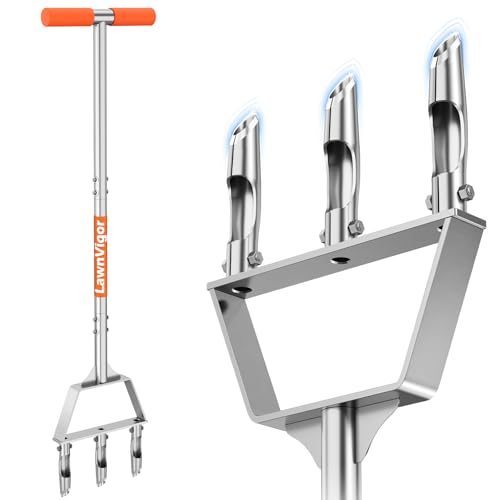
- core aerator lawn plug aerator manual
- 2,4-D lawn weed killer concentrate 1 gallon


Before You Start
Assess the lawn area and identify weed types (broadleaf vs. grassy). Test soil if possible to determine pH and nutrient needs. Clear debris and mow to a suitable height to expose weeds. Time the work for mild temperatures and dry conditions to maximize product efficiency and safety. Wear protective gear, follow label instructions precisely, and keep children and pets off treated areas until safe.
Step-By-Step: How To Get Rid Of A Lawn Full Of Weeds
- Use a lawn dethatcher thatching rake steel heavy-duty to remove built-up thatch and expose weed crowns for better penetration of treatments.
- Rake and collect debris, then mow the lawn to a uniform height to reduce weed seed banks and improve grass regrowth.
- Apply a pre-treatment assessment by checking soil moisture. Do not apply herbicides to wet lawns—wait for dry conditions to prevent product runoff.
- Prepare 2,4-D lawn weed killer concentrate 1 gallon according to label directions for a targeted broadleaf weed kill. Use a sprayer with even coverage, focusing on weed patches.
- Spread a thin layer of organic or starter fertilizer if soil tests show nutrient deficiency, helping warm-season grasses recover and outcompete weeds.
- Use a core aerator lawn plug aerator manual to open soil compaction, promoting root growth and improving water, air, and nutrient penetration.
- Sow a high-quality grass seed or apply a turf repair mix in bare patches. Lightly rake to ensure good seed-to-soil contact, then water gently but consistently.
- Water deeply and less often to encourage deep root growth; avoid overwatering, which can favor certain weeds and dilute herbicide efficacy.
- Monitor weed regrowth over the next 4–8 weeks and reapply targeted treatments only to new infestations, following product labels closely.
- Implement a consistent maintenance routine: mowing at proper height, seasonal aeration, and selective fertilization to maintain a dense lawn that resists weeds.
Troubleshooting
| Symptom | Likely Cause | Fix | Prevention |
|---|---|---|---|
| Weeds return after treatment | Weed seeds in thatch or soil | Repeat targeted treatment and overseed | Regular aeration and overseeding |
| Brown patches after spraying | Pet/heat sensitivity or over-application | Rinse or water down affected areas; reapply only per label | Fine-tune application rate and timing |
| Poor grass recovery | Soil compaction or nutrient deficiency | Aerate and amend soil; apply balanced fertilizer | Seasonal aeration schedule |
| Streaky spray coverage | Uneven spray technique | Reset sprayer and apply in uniform passes | Practice with small test patches |
Common Mistakes
- Applying herbicide to stressed or droughted turf
- Over-mowing, which weakens grass and encourages weeds
- Neglecting soil compaction and poor drainage
- Using herbicides without proper labeling and safety gear
Sticking to labeled usage and combining mechanical disruption with selective herbicides yields better long-term results.
Tips For Best Results
- Time weed treatments when temperatures are moderate to reduce stress on the lawn.
- Pair dethatching with soil aeration to maximize root space and water infiltration.
- Choose a selective weed killer that targets broadleaf weeds without harming the turf you want to keep.
- Keep a consistent watering schedule after seeding to help new grass establish and outcompete weeds.
- Regularly inspect for weed re-emergence and treat promptly rather than waiting for large patches.
Call A Professional
Consider a pro if the lawn is severely infested, if you have large weed patches, or if the soil is heavily compacted. Sport turf, newly sodded areas, or environmentally sensitive zones may benefit from expert evaluation. Seek professional help for persistent weed issues, unusual weed species, or if you are unsure about chemical choices and safety practices.
FAQ
What is the best time to treat a weed-filled lawn?
Late spring to early fall often offers ideal conditions for herbicides and overseeding, depending on your region.
How often should I aerate my lawn?
Typically once to twice a year, depending on soil compaction and grass type.
Can I reseed areas after dethatching?
Yes, reseeding after dethatching helps establish a dense turf to resist future weeds.
Is 2,4-D safe for sunny or shady lawns?
2,4-D is selectively toxic to many broadleaf weeds; follow label directions for sun exposure and lawn type.
Should I mow before or after herbicide application?
Mow before application to reduce weed height and improve spray contact; avoid mowing immediately after treatment.
Buying Guide
When choosing tools and products to fight a weed-filled lawn, consider size, noise, and user comfort. For dethatching and aeration, select durable, steel tools with comfortable grips. For chemical control, choose a herbicide formulated for your weed types and turf species, noting the length of residual control and safety considerations. Look at applicator compatibility, coverage area, and ease of use to ensure efficient work sessions. Appropriately scale purchases to lawn size and maintenance goals. Would you benefit from a combined aeration and dethatching setup, or is a dedicated weed killer a better fit for your schedule?
Leave a Reply