How to Clean Resin Patio Furniture: A Practical Guide
Resin patio furniture blends easy maintenance with weather resistance, but daily use and outdoor exposure can leave it dull or stained. This guide walks through safe, effective methods to clean resin wicker and resin plastic furniture without damaging finishes or colors, using common tools and a dedicated cleaner spray.
Quick Answer
For a fast, effective clean: remove loose debris, mix a gentle cleaning solution, scrub with a soft-bristle brush for resin wicker patio furniture cleaning, rinse with water, and dry with a microfiber cleaning cloth for outdoor resin furniture. For stubborn grime, use a specialized outdoor patio furniture cleaner spray for resin plastic wicker and repeat as needed.
What You’ll Need
- Soft-bristle brush for resin wicker patio furniture cleaning
- Microfiber cleaning cloth for outdoor resin furniture
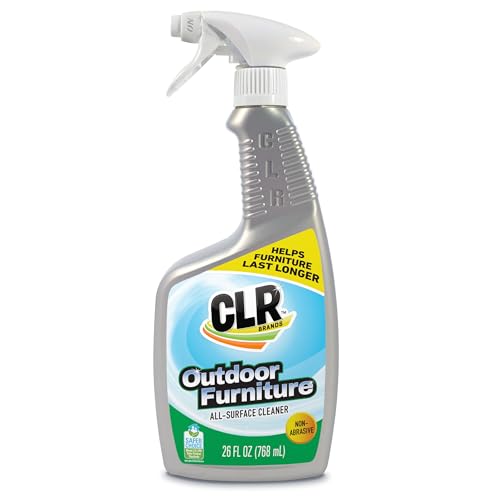
- Outdoor patio furniture cleaner spray for resin plastic wicker
- Bucket of warm water
- Garden hose or spray bottle
- Non-abrasive sponge or soft rag
- Optional: white vinegar or mild soap for tougher stains


Before You Start
Prepare a shaded work area to prevent rapid drying which can leave streaks. Test any cleaner on a small, inconspicuous area first to ensure no color fading. Protect nearby plants and surfaces from spray. Time estimate: 20–45 minutes for a typical set of chairs or a small table. Keep cleaners away from direct heat or open flames.
Step-By-Step: How To Clean Resin Patio Furniture
- Remove cushions and store them in a dry area to expose all surfaces.
- Brush off loose dirt and leaves with a soft-bristle brush for resin wicker patio furniture cleaning.
- Rinse the furniture with a gentle stream of water to loosen surface grime.
- Mix warm water with a small amount of mild soap or use a outdoor patio furniture cleaner spray for resin plastic wicker.
- Scrub each surface using a soft-bristle brush or non-abrasive sponge, paying attention to crevices and seams.
- Rinse thoroughly with water until no soap residue remains.
- Wipe down with a microfiber cleaning cloth for outdoor resin furniture to remove remaining moisture and prevent water spots.
- Dry furniture completely before reassembling cushions to avoid mildew.
- For stubborn stains, apply the outdoor patio furniture cleaner spray for resin plastic wicker according to label directions, and repeat the scrub rinse cycle.
- Inspect polymer joints for damage or loosening and address as needed to maintain stability.
- Store furniture away from heavy rain or sun during off-season if possible.
Troubleshooting
| Symptom | Likely Cause | Fix | Prevention |
|---|---|---|---|
| Dull, chalky appearance | Residue or sun-bleached surface | Deep-clean with cleaner spray; rinse thoroughly, dry completely | Regular light cleanings every 1–2 weeks |
| Streaks after drying | Water spots or improper drying | Dry with microfiber cloth while still damp to blend moisture | Dry in shade, wipe in a consistent direction |
| Sticky or greasy feel | Harsh soap or accumulated oils | Resuds with a mild cleaner and extra rinse | Avoid heavy dish-soap concentrates |
| Color fading or discoloration | Bleach-based products or direct sun exposure | Use approved cleaner spray and shade during cleaning | Cover or store during peak sun hours |
Common Mistakes To Avoid
- Using abrasive brushes or pads that scratch resin surfaces
- Over-soaping, which can leave sticky residues
- Cleaning in direct sunlight or on hot surfaces
- Using harsh chemicals like strong solvents or bleach
- Neglecting to dry cushions and frames thoroughly
Tips For Best Results
- Schedule a routine clean every few weeks to prevent buildup of pollen, dirt, or mildew.
- Work from top to bottom to avoid dirty water from dripping onto cleaned areas.
- Test cleaners on an inconspicuous spot to prevent color changes.
- Use a dedicated microfiber cloth to avoid lint and scratch-free drying.
- Store cushions separately and protect furniture with breathable covers during harsh weather.
Call A Professional
Consider a pro if resin furniture has deep cracks, warping, or extensive color damage that does not respond to standard cleaning. If you notice persistent mold growth, structural instability, or chemical stains after multiple cleanings, contact a professional service for assessment and restoration options.
FAQ
What should I use to clean resin furniture without damaging it?
Use mild soap or a outdoor patio furniture cleaner spray for resin plastic wicker, a soft-bristle brush for resin wicker patio furniture cleaning, and a microfiber cleaning cloth for outdoor resin furniture for best results.
Can I clean resin furniture with vinegar?
Yes, dilute white vinegar with water for a gentle clean on light stains, but avoid using it on painted or colored surfaces without testing first.
How often should resin furniture be cleaned?
Light cleaning weekly and a full clean every 4–6 weeks helps maintain color and finish.
Is it okay to leave cushions outdoors while cleaning?
It’s better to remove cushions to prevent moisture buildup and allow the frames to dry evenly.
Buying Guide
When shopping for resin patio furniture, consider how the furniture will fit your space, maintenance tolerance, and exposure to elements. Key factors include size, noise level (if using any mechanical cleaning aids or covers), energy efficiency of any built-in features (rare in resin sets, but relevant for powered cleaners used nearby), controls (ease of assembly and care instructions), and placement.
Size: Measure how much space you have and the product footprint to ensure a comfortable arrangement without crowding walkways. Consider stackable or modular designs for flexibility.
Noise level: If you keep the cleaning routine nearby a living area, opt for quiet cleaning tools and low-noise spray bottles to minimize disruption.
Energy efficiency: For any powered cleaners used nearby, select energy-efficient options and proper heat management to avoid damage to resin materials.
Controls: Look for simple operation and clear care instructions from manufacturers to avoid using incorrect cleaning methods.
Placement: Position furniture away from direct sun during cleaning sessions to prevent quick drying and streaks; use covers when not in use to extend life.
Leave a Reply