How to Clean Cucumbers With Baking Soda for Fresh Produce
Cleaning cucumbers thoroughly helps remove surface residues, waxes, and potential pesticides. Using baking soda as a mild, natural cleaner can be effective when paired with proper scrubbing tools. The steps below explain a practical method that American households can adopt for everyday produce prep.
This guide focuses on simple, food-safe techniques. It also integrates practical tools designed to speed up the cleaning process while ensuring cucumbers stay crisp and unblemished. By following these steps, home cooks can enjoy cleaner cucumbers with minimal effort and waste.
Quick Answer
Rinse cucumbers under cool running water, make a baking soda bath, scrub with a soft-bristle brush, then rinse again. Dry thoroughly before storage or slicing. Use a dedicated produce wash spray bottle for quick touch-ups if desired.
What You’ll Need
- Soft bristle vegetable brush cucumber cleaning
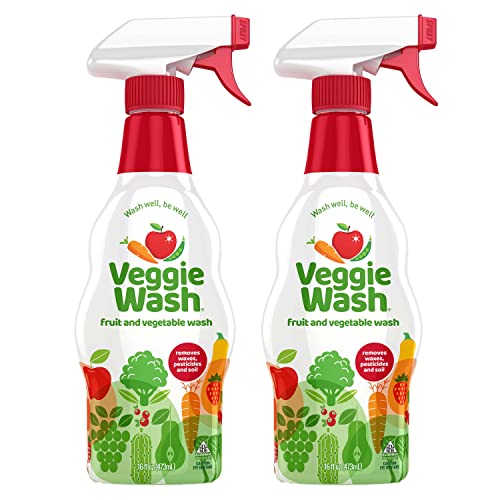
- Produce wash spray bottle for vegetable cleaning
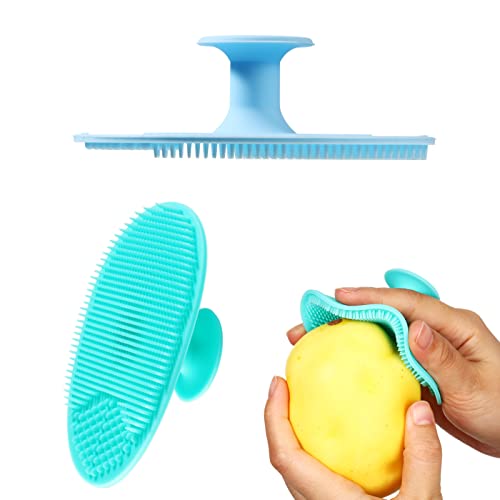
- Silicone produce scrubber for cucumbers and vegetables
![SXhyf Vegetable Brush Scrubber for Food [Black Stiff Bristles Brush + White Soft Bristles Brush] Potato Scrubber, Dishwasher Safe Veggie & Fruit Cleaning Brush for Mushrooms, Carrots, Lemons, Eggs](https://m.media-amazon.com/images/I/31qJiIDUiQL._SL500_.jpg)
Before You Start
Wash hands and clean the sink area before handling produce. Rinse cucumbers to remove loose dirt, then prepare a baking soda solution: mix 1 teaspoon baking soda per 1 quart (4 cups) cool water. Avoid soaking for too long on delicate varieties to prevent softening. Never use hot water, chlorine bleach, or abrasive scrubbers on cucumbers. Time estimate: 5–10 minutes per batch.
Step-By-Step: How To Clean Cucumbers With Baking Soda
- Rinse cucumbers under cold running water to remove surface dirt and farm residues.
- Prepare a baking soda solution: dissolve 1 teaspoon of baking soda in 1 quart of cool water.
- Submerge or thoroughly dip the cucumbers in the solution for 30–60 seconds to loosen wax and residues.
- Gently scrub each cucumber with a soft bristle vegetable brush cucumber cleaning or a silicone produce scrubber for cucumbers and vegetables to remove stubborn grime.
- Rinse cucumbers again under cool water to wash away loosened debris and any baking soda residue.
- Pat dry with a clean towel or air-dry on a clean rack before storage or slicing.
- Optional: Use a produce wash spray bottle for vegetable cleaning for a quick post-wash spritz before slicing or eating.
- Store cucumbers in the crisper drawer in a perforated bag or breathable container to maintain freshness.
- For high-traffic kitchens, pre-mix batches in a labeled jar or bottle and keep in a cool, shaded area.
- Re-wash if the cucumbers appear dusty or if introduced to unclean surfaces during prep.
- Discard any cucumbers that show signs of spoilage or an off smell, even after cleaning.
- Clean and dry your scrubbers and brushes after use to prevent bacterial growth.
Troubleshooting
| Symptom | Likely Cause | Fix | Prevention |
|---|---|---|---|
| Cucumber still feels slimy after washing | Residue or improper rinsing | Rinse thoroughly and scrub again with a clean brush | Rinse immediately after washing and store properly |
| Baking soda leaves a chalky film | Too much baking soda or insufficient rinsing | Increase rinsing and wipe with a damp cloth | Use measured amounts and full rinse |
| Cucumber flesh browns after cutting | Exposure to air or surface contaminants | Keep cucumbers refrigerated and cut with clean utensils | Store whole cucumbers in the fridge until ready to use |
| Scrubber bristles wear quickly | Rough scrubbing on hard surfaces | Switch to softer brushes for delicate produce | Choose appropriate scrubbers for cucumbers |
Common Mistakes
- Using hot water, which can soften cucumbers and affect texture
- Over-soaking delicate cucumbers in baking soda solution
- Rubbing too hard with abrasive tools on skinned or wrinkled varieties
- Skipping a final rinse, leaving baking soda residue on the surface
Tips For Best Results
Use cool water for both cleaning and rinsing to preserve cucumber texture. Pair baking soda with a soft brush or silicone scrubber to avoid damaging the skin. For quick cleanups, the produce wash spray bottle can be a convenient option between batches.
Label wash bottles with date to ensure freshness of the cleaning solution if you prepare it in advance. If you prefer, swap baking soda with a commercially available produce wash following manufacturer directions, especially when cleaning larger quantities.
Call A Professional
If cucumbers show signs of persistent mold, unusual odors, or sliminess that does not improve after cleaning, consult a professional or replace the batch. Food safety concerns warrant caution; when in doubt, discard questionable produce to prevent spoilage or illness.
FAQ
Can I use baking soda on all cucumber varieties?
Yes, baking soda is generally safe for common cucumber varieties when used in moderation and followed by a thorough rinse.
How long should cucumbers soak in baking soda solution?
A 30–60 second soak is sufficient for most cucumbers; longer soaks are unnecessary and may affect texture.
Is washing with baking soda enough, or should I use soap?
Soap should not be used on produce. Baking soda with water or a dedicated produce wash is recommended.
Should I dry cucumbers before storing?
Yes, pat dry or air-dry completely to reduce moisture that can cause spoilage during storage.
What if I don’t have a soft brush?
A silicone produce scrubber can substitute; both are designed to clean without damaging the skin.
Buying Guide
When selecting tools for cleaning cucumbers, consider size, material, and comfort. A soft-bristle brush designed for vegetables is gentle on skins but effective at removing residue. A silicone scrubber offers durable, flexible cleaning with easy sanitization. A dedicated produce wash spray bottle provides quick touch-ups without making a mess. Look for BPA-free plastics, non-slip grips, and dishwasher-safe components for easy cleaning.
Size matters: large cucumbers benefit from bigger brushes, while mini cucumbers fit comfortably in smaller scrubbers. Noise level is typically not a concern for manual cleaning, but choose tools with ergonomic handles for comfortable extended use. If you prep a lot of produce, consider a compact set that includes a brush, a silicone scrubber, and a spray bottle for a complete system. Placement should be near the sink for easy reach and efficient workflow.
Leave a Reply