How to Clean Chrome Door Handles
Chrome door handles add a sleek, modern look to homes, but they show fingerprints, water spots, and smudges quickly. This guide provides practical, step-by-step methods to restore shine and protect chrome fixtures without damage. It covers safe cleaners, tools, and maintenance routines suitable for most residential doors.
Quick Answer
For fast results, spray a dedicated chrome door handle cleaner on a microfiber cloth, wipe with the grain, then buff with a dry cloth until spotless. For tougher grime, use a chrome polishing kit for metal fixtures and a microfiber polishing cloth, following the product directions. Always rinse and dry to prevent water spots.
What You’ll Need
- Chrome door handle cleaner spray
- Chrome polishing kit for metal fixtures
- Microfiber polishing cloth for chrome surfaces
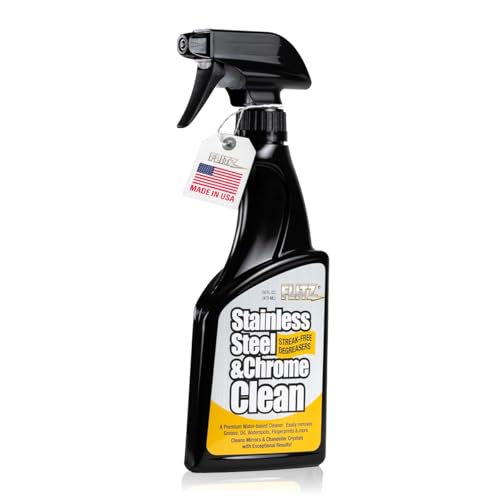
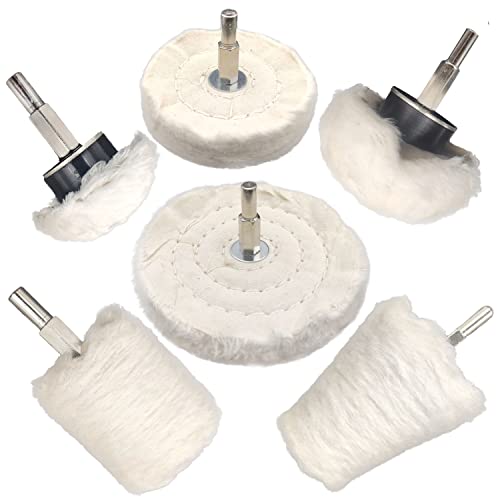

Before You Start
Clear the surrounding area of the door and keep pets or children away during cleaning. Test any cleaner on a small, inconspicuous area first to ensure no discoloration. Work in a well-ventilated space and use gloves if you have sensitive skin. Time estimate for a typical cleaning session: 10–20 minutes per door. Important: avoid abrasive pads or household bleach on chrome, as these can scratch or corrode the metal over time.
Step-By-Step: How To Clean Chrome Door Handles
- Dry wipe the surface with a clean microfiber cloth to remove loose dust and oils.
- Apply a light mist of chrome door handle cleaner spray to the cloth, not directly on the handle.
- Gently wipe the handle along the grain of the chrome to lift smudges and fingerprints.
- For stubborn spots, apply a smaller amount of cleaner and rub with a microfiber cloth using circular motions.
- Rinse the cloth with clean water, wring out, and wipe away any cleaner residue.
- Buff the handle with a dry microfiber cloth until a high shine appears.
- If using a chrome polishing kit, follow the kit’s directions for polishing compound application and buffing steps.
- Inspect under different lighting to ensure all dull areas are addressed; repeat if necessary.
- Wipe hinges and surrounding hardware if they also show fingerprints or water spots.
- Finish with a light protective wipe or spray designed for chrome to help prevent future tarnish.
- Store remaining products in a cool, dry place away from heat sources.
- Regular maintenance: quick monthly wipe-downs to maintain the finish and reduce heavy buildup.
Troubleshooting
| Symptom | Likely Cause | Fix | Prevention |
|---|---|---|---|
| Dull or cloudy finish after cleaning | Residue from cleaner or improper buffing | Re-wipe with a clean cloth and buff thoroughly | Use a dedicated chrome cleaner and microfiber cloth only |
| Streaks or water spots | Water drying before wiped dry | Dry buff with a fresh cloth after cleaning | Wipe promptly after any moisture exposure |
| Scratches or discoloration | Abrasive pads or harsh chemicals | Stop using abrasive tools; switch to gentle polish | Follow product directions; test on hidden area first |
| Persistent tarnish on heavily used handles | Natural wear and environmental exposure | Use chrome polishing kit per instructions and reapply protective layer | Integrate regular, light cleanings into routine |
Common Mistakes
- Using abrasive pads or cleaners beyond their compatibility with chrome
- Spraying cleaner directly onto metal, which can seep into crevices
- Skipping the drying step, which leads to water spots
- Overpolishing, which can wear away finish over time
Tips For Best Results
- Choose a cleaner explicitly labeled for chrome or metal fixtures to avoid risk of dark spots.
- Keep a dedicated microfiber cloth for chrome to prevent lint transfer from other surfaces.
- For high-use doors, consider a light protective coating after cleaning to reduce fingerprints.
- Protect nearby surfaces (doors, frames) from cleaner sprays by applying product to cloth first.
- Coordinate cleaning with routine door maintenance to minimize buildup and effort.
Call A Professional
Seek professional help if chrome handles show deep pitting, flaking, or corrosion that cannot be remedied with standard cleaners or polishing kits. If handles are part of an intricate locking mechanism and cleaning risks affecting operation, contact a hardware specialist or locksmith for inspection and maintenance.
FAQ
Can I use household glass cleaner on chrome door handles?
Glass cleaner can work for light cleaning but may leave residues; use a chrome-specific cleaner for best results.
How often should chrome door handles be cleaned?
Light weekly wipes with a microfiber cloth plus monthly deeper cleanings help maintain shine and protect finish.
What should I do about fingerprints on dark finishes near chrome?
Wipe with a neutral cleaner on a microfiber cloth and buff; avoid harsh solvents near non-chrome finishes.
Are there environmentally friendly chrome cleaners?
Yes, many brands offer biodegradable formulas. Look for products labeled as eco-friendly or non-toxic.
Buying Guide
Choosing the right products for chrome door handles involves considering size, noise, energy is not applicable here, but you’ll want consistent, safe formulations and gentle application tools. Look for a spray that is specifically designed for chrome surfaces, a polishing kit that includes non-abrasive compounds, and a microfiber cloth suitable for metal finishes. Consider compatibility with other metal fixtures in the home to simplify maintenance. When assessing products, read labels for whether the cleaner is ammonia-free or includes corrosion inhibitors. For busy households, a simple two-step system—cleaner spray plus a polishing cloth—can deliver solid results without difficult workflows. If you have multiple chrome fixtures (bathroom hardware, cabinet pulls), ensure the kit coverages all intended surfaces and that the cloths are lint-free. Finally, verify that the products are safe for coated metals if your door handles have protective finishes.
Leave a Reply