How to Clean Fabric Sofa Stains
Fabric sofas bring warmth and comfort to living spaces, but stains are an inevitable part of daily life. This guide provides a practical, step-by-step approach to removing common sofa stains while protecting fabric and preserving color. With the right tools and a steady routine, you can refresh upholstery without a full replacement.
By following practical methods and using recommended supplies, homeowners can handle most spills with confidence. The process emphasizes testing in inconspicuous areas and choosing fabric-safe products to avoid damage.
Quick Answer
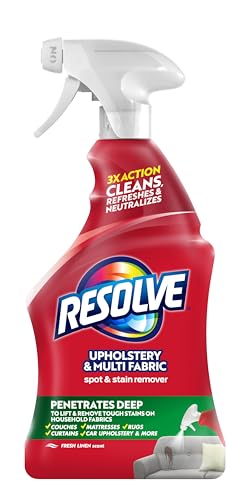
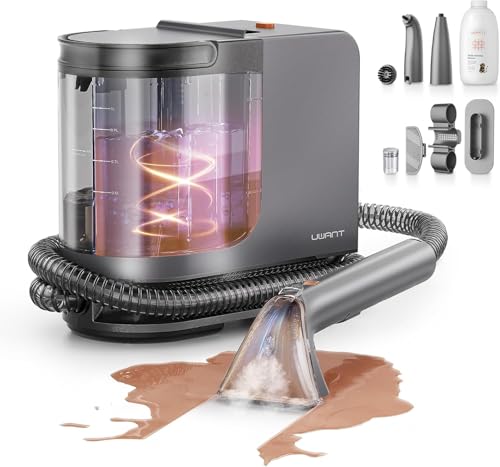
Act quickly after a spill. Blot (don’t rub) to lift moisture, then treat with an upholstery stain remover spray for fabric sofas 22 oz. For stubborn spots, use a fabric sofa steam cleaner attachment for upholstery cleaning and finish with microfiber cleaning cloths for upholstery furniture to blot and polish the area.
What You’ll Need
- Upholstery stain remover spray for fabric sofas 22 oz
- Fabric sofa steam cleaner attachment for upholstery cleaning
- Microfiber cleaning cloths for upholstery furniture

Before You Start
Assess fabric type and check care labels for cleaning instructions. Test any product in an inconspicuous corner to confirm colorfastness and texture. Work on a cool surface and avoid saturating the fabric. Allow time for treated areas to dry thoroughly before use. Important safety note: Keep cleaners away from children and pets until surfaces are fully dry, and ensure proper ventilation during cleaning.
Estimated time for a typical stain session: 30–60 minutes, plus drying time. If you encounter dye bleed, set-in stains, or delicate fabrics like silk blends, consider professional cleaning options.
Step-By-Step: How To Clean Fabric Sofa Stains
- Identify the stain type (water-based, oil-based, or unknown) and blot gently with a clean microfiber cloth to remove surface moisture.
- Apply a light mist of upholstery stain remover spray for fabric sofas 22 oz to the stained area. Avoid soaking; use even, gentle spraying.
- Gently blot from the outer edge toward the center to prevent spreading. Let the product sit for a few minutes as directed by the label.
- For deeper stains, use a fabric sofa steam cleaner attachment for upholstery cleaning to lift residue without over-wetting. Follow the device’s manual for proper settings and coverage.
- Rinse the area by blotting with a clean, damp microfiber cloth to remove any cleaner residue. Repeat as needed until the cloth no longer shows staining.
- Blot again with a dry microfiber cloth to remove excess moisture and help the area dry faster. Elevate cushions and ensure good airflow in the room.
- Check the fabric after drying. If faint staining remains, repeat steps 1–3 on a small area before proceeding widely.
- Brush the nap lightly once completely dry to restore the fabric’s texture and appearance.
- Consider applying a fabric protectant after the area dries to reduce future staining and ease cleanup.
- Return cushions to normal position and monitor for any odor or moisture buildup in the following hours.
Troubleshooting
| Symptom | Likely Cause | Fix | Prevention |
|---|---|---|---|
| Stain spreads after cleaning | Over-wetting or rubbing ink/food into fibers | Stop rubbing; blot and reapply cleaner in small amounts | Use controlled sprays and blot gently |
| Color fading or patchy look | Harsh cleaner or improper testing | Rinse thoroughly and test next time; choose fabric-safe products | Test products in hidden area first |
| Persistent odor | Organic stains like coffee or wine not fully removed | Repeat with stain remover and ensure complete drying | Ventilate and dry thoroughly after cleaning |
| Stains reappearing after drying | Incomplete removal of stain or re-soiling | Reassess and re-clean the area, using a gentle approach | Address root cause and protect fabric |
Common Mistakes
- Rubbing vigorously, which can push stain deeper into fibers
- Using hot water or heat sources that set stains and odors
- Soaking the fabric, leading to mold or adhesive damage
- Skipping a test patch on a hidden area
Tips For Best Results
- Work from the outside of the stain toward the center to prevent spreading.
- Use microfiber cloths exclusively for blotting; they trap particles effectively.
- Let treated areas dry completely before sitting or placing cushions back on the sofa.
- Keep a regular cleaning schedule to prevent buildup and make spot-cleaning easier.
Call A Professional
Seek professional help if a stain covers a large area, bleeding colors, or affects a delicate fabric (for example, silk blends or antique upholstery). If the upholstery care label advises against DIY cleaning or if you notice the fabric’s fibers loosening, contact a certified upholstery cleaner. Signs to stop DIY cleaning include persistent odor, lingering discoloration after multiple cleanings, or any evidence of dye transfer during the process.
FAQ
Can I use any stain remover on all fabric sofas?
Not every stain remover is suitable for every fabric. Always check the care label and test on a hidden area before full application.
Is steam cleaning safe for all fabric types?
Steam is effective for many fabrics but may not be suitable for delicate fibers or those prone to water rings. Follow the equipment manual and fabric care guidance.
How long should drying take after cleaning?
Most fabrics dry within 2–6 hours, depending on humidity and airflow. Open windows or use a fan to speed up drying.
Will stain removal affect fabric color?
When used correctly and tested first, stain removers should not alter color. Always test in a discreet area first.
Can I clean multiple stains at once?
Yes, but treat each stain individually to prevent cross-contamination. Allow each area to dry before proceeding to the next stain.
Should I use a fabric protector after cleaning?
Applying a fabric protector after cleaning can help resist future stains, but ensure the fabric is fully dry and compatible with the protector product.
What if my stain returns after cleaning?
Re-treat the area with a fresh application of stain remover and re-clean, ensuring proper drying between steps.
Buying Guide
Choosing the right cleaning tools for fabric sofas involves considering stain types, fabric sensitivity, and convenience. Key buying factors include size, effectiveness, and compatibility with your sofa’s fabric. Consider the following:
- Size and volume: A 22 oz bottle of upholstery stain remover is typically sufficient for regular homes; larger homes may benefit from multi-pack options.
- Cleaning method: Spray-based stain removers are convenient for quick spot cleaning, while steam cleaner attachments offer deeper cleaning for stubborn stains.
- Fabric compatibility: Ensure products are labeled safe for your sofa fabric (microfiber, cotton blends, etc.).
- Ease of use: Tools like steam cleaner attachments should be compatible with existing cleaners and vacuums you own.
- Drying time: Quick-drying formulas help minimize downtime and odor buildup.
- Placement considerations: A well-ventilated area supports faster drying; avoid direct sunlight that can cause fading during treatment.
When comparing options, look for clear usage instructions, fabric-safety certifications, and customer reviews focusing on stain removal effectiveness. If you frequently entertain or have kids and pets, pairing a spray stain remover with a compatible steam attachment can provide a versatile cleaning duo for regular upkeep.
Leave a Reply