How to Get Rid of Alcohol Breath
Alcohol breath, often caused by the body’s metabolism of ethanol, can linger after social events or long workdays. This guide explains practical, safe steps Americans can take to reduce or neutralize alcohol odor on the breath. It covers quick fixes, routine habits, and when to seek professional advice for persistent concerns.
Quick Answer
Actionable takeaways: stay hydrated, chew sugar-free gum, and use targeted products like breath spray alcohol breath remover 0.7 fl oz or breath mint strips alcohol breath remover after drinking for fast masking or neutralizing effects. Mouthwash for alcohol breath after drinking 500ml can provide a stronger rinse, followed by brushing and flossing to reduce surface odors.
What You’ll Need
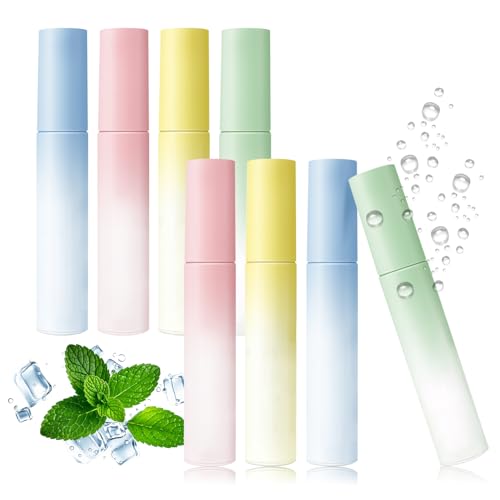
- Breath spray alcohol breath remover 0.7 fl oz for rapid odor neutralization
- Mouthwash for alcohol breath after drinking 500ml to rinse away vapors and particles
- Breath mint strips alcohol breath remover after drinking for quick, portable use
<li Toothbrush and toothpaste for oral hygiene
<li Sugar-free gum or mints to stimulate saliva
<li Water bottle to stay hydrated


Before You Start
Before attempting to reduce alcohol breath, consider the following:
- Check your hydration and avoid excess caffeine or salty foods that can intensify odors.
- If you suspect ongoing health issues or medications affecting breath, consult a healthcare provider.
- Safety note: do not rely on a single method; combine oral hygiene with hydration for best results.
- Time estimate: 5–20 minutes for initial improvement; full clearing may take longer depending on metabolism and intake.
Step-By-Step: How To Get Rid Of Alcohol Breath
- Drink water or non-alcoholic beverages to dilute remaining alcohol and support saliva production.
- Rinse with mouthwash for alcohol breath after drinking 500ml for a thorough cleansing of mouth surfaces.
- Brush teeth for two minutes and floss to remove residue that contributes to odor.
- Use breath spray alcohol breath remover 0.7 fl oz for a fast, targeted odor neutralizer on the go.
- Chew breath mint strips alcohol breath remover after drinking to mask odor and freshen breath aroma temporarily.
- Consume sugar-free gum or mints after the spray or strips to stimulate saliva and wash away lingering particles.
- Aim for prompts like a light, clean feel in the mouth rather than overpowering scents; avoid heavy perfumes that may clash.
- Eat a small, bland snack to moderate stomach acidity that can affect breath and taste perception.
- Maintain a regular oral hygiene routine in the hours after drinking to prevent odor rebound.
- Monitor environmental cues, such as social settings, and plan longer-term measures like limiting intake if persistent odor occurs.
- Reassess later with a fresh mouth feel—if odor persists, repeat rinsing and hydration steps as needed.
- Consult a healthcare professional if breath odor remains consistently strong beyond normal recovery time.
Troubleshooting
| Symptom | Likely Cause | Fix | Prevention |
|---|---|---|---|
| Breath remains strong after using mouthwash | Insufficient saliva or residual alcohol | Drink water, chew sugar-free gum, and re-rinse | Stay hydrated and rinse after every alcoholic drink |
| Immediate masking fails in social settings | Strong odor components or recent heavy drinking | Use breath spray, followed by mint strips | Limit intake and schedule a longer window for odor clearance |
| Bad breath recurs quickly | Low oral hygiene quality or diet influence | Brush, floss, and rinse again; check for sugar or starchy foods | Maintain daily oral care |
| Dry mouth sensation | Dehydration | Increase water intake and sip water regularly | Hydrate consistently during social events |
| Persistent odor after hours | Medical causes or medications | Consult a clinician if prolonged | Discuss medication effects with a doctor |
Common Mistakes
- Relying on a strong fragrance instead of addressing the breath source
- Skipping hydration and relying solely on mouthwash
- Overusing breath sprays or mint products, which can clog flavors and irritate the mouth
- Avoiding brushing after drinking, which can leave residues that worsen odors
Tips For Best Results
- Hydration is essential; aim for steady water intake before and after drinking.
- Use products as a set: mouthwash for cleansing, followed by spray or mint strips for quick refreshment.
- Keep a travel-sized mouthwash and mint strips in a bag for on-the-go use.
- Complement oral hygiene with light snacks that stabilize mouth environment without introducing strong odors.
- Be mindful of breath-ready conversations; giving yourself time to refresh can improve comfort for both parties.
Call A Professional
Seek medical advice if alcohol breath persists unusually after typical recovery periods or if there are other symptoms such as persistent dry mouth, frequent headaches, or metallic tastes. Imaging or dental evaluations may be warranted if odors are linked to dental or sinus conditions. If safety concerns arise due to alcohol use, contact a healthcare professional or local resources for support.
FAQ
What is the fastest way to reduce alcohol breath?
Rinse with mouthwash, drink water, and use breath spray for immediate relief, followed by mint strips for a quick, pleasant finish.
Can I rely on breath mint strips alone?
Mint strips help mask odor, but combination with hydration and oral hygiene yields better results.
Is alcohol breath the same as body odor after drinking?
Alcohol breath is a mouth-odor result from ethanol metabolism; body odor involves skin and other factors.
Should I avoid certain foods to prevent alcohol breath?
Heavy, pungent foods may intensify odors; choose light snacks and focus on hydration post-drinking.
When should I see a dentist about persistent breath odor?
If odor persists despite good oral hygiene and hydration, consider dental or medical evaluation for underlying issues.
Buying Guide
When choosing products to combat alcohol breath, consider size, ease of use, and how quickly you need results. Look for compact breath sprays for on-the-go moments and larger mouthwashes for at-home use. Pay attention to ingredients that promote odor neutralization and saliva stimulation. Noise-free, discreet packaging helps in social situations, while accessibility of refills ensures consistent use. Compare how each product fits your routine: quick sprays for travel, and mouthwash for a thorough cleanse at home. Consider a combined approach: a mouthwash for deeper cleansing, breath spray for fast refreshment, and mint strips for portable protection. Is your goal fast masking, or long-lasting freshness? The right mix will align with personal habits and social scenarios.
Leave a Reply