How to Clean Old Glass Windows for Clear, Streak-Free Panes
Old glass windows can accumulate grime, mineral deposits, and cloudy film that dull their appearance. With the right approach and a few proven tools, homeowners can dramatically improve visibility without professional help. This guide offers a practical, step-by-step method to restore clarity while protecting fragile panes and surrounding frames.
Quick Answer
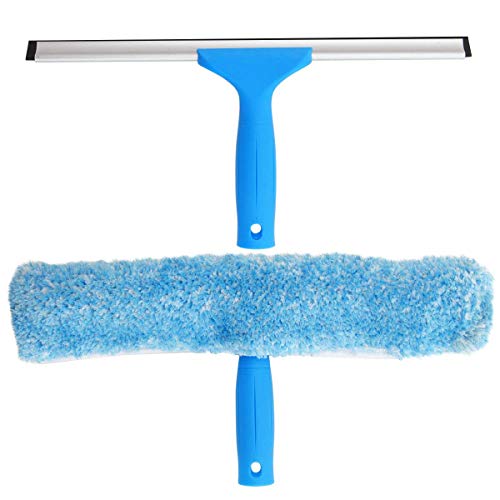
Use a window cleaning kit with a quality squeegee, microfiber cloths, and a long extension pole for hard-to-reach panes. For stubborn buildup, employ a glass scraper razor blade designed for window cleaning, followed by a streak-free squeegee pass and microfiber towel dry. Always rinse with clean water between steps and finish with a spotless wipe to prevent streaks.
The Essentials You’ll Need
The following tools are commonly recommended for cleaning old glass windows. They cover the full range of tasks from initial wash to final polish.
- Window cleaning kit squeegee for efficient water removal
- Microfiber cloths for lint-free drying and polishing
- Extension pole to reach high or distant panes
- Glass scraper razor blade for tough mineral buildup
- Streak-free window cleaning squeegee set with microfiber towels


Before You Start
Assess the window frame and glass condition. Old windows may have loose putty, cracked glazing, or degraded paint around the sash. If glazing is damaged, avoid applying excessive pressure with a razor blade. Protect surrounding surfaces with painter’s tape and a drop cloth. Time estimates vary by number of panes and frame accessibility, but plan for 1–3 hours for a typical multi-pane project.
Safety cautions: Use a stable ladder or extendable pole, wear gloves to protect hands, and keep the blade at a shallow angle to avoid scratching. Do not use metal scrapers on delicate or lead-containing glass without professional guidance.
Step-By-Step: How To Clean Old Glass Windows
- Prepare the area: Remove curtains or blinds, lay down a protective sheet, and ensure good ventilation. Mix a mild cleaning solution (a few drops of dish soap in warm water) in a bucket.
- Dust the frame first: Use a dry microfiber cloth to wipe away loose dirt from the sash and sill to minimize mud when washing.
- Wet the glass: Dip the microfiber cloth into the cleaning solution and gently mist or wipe the glass. Work from top to bottom to control drips.
- Scrub persistent buildup: For mineral deposits or stubborn grime, use the glass scraper razor blade with light, even strokes at a shallow angle. Rinse the blade frequently to prevent scratching.
- Rinse and squeegee: Use the streak-free window cleaning squeegee set to remove the dirty water. Wipe the blade after every pass to avoid redepositing dirt on the glass.
- Dry and polish: Wipe corners and edges with a microfiber towel. Follow with a dry, lint-free cloth to prevent streaks, especially on sunny surfaces.
- Check for streaks and touch up: Inspect from multiple angles. If any streaks remain, re-wipe using a clean microfiber cloth and a small amount of solution, then dry again.
- Final seal and maintenance: Clean the sills, remove tape, and store tools neatly. For very old panes, consider applying gentle protective wax or sealant recommended by a pro for easier future cleaning.
Troubleshooting
| Symptom | Likely Cause | Fix | Prevention |
|---|---|---|---|
| Streaks after cleaning | Residue on glass or dirty towel | Use fresh microfiber cloths; rinse squeegee frequently | Keep towels separate for wash and dry tasks |
| Cloudy or dull panes | Hard water mineral buildup | Use distilled water or a vinegar-based rinse; avoid hard water if possible | Rinse with clean water and dry promptly |
| Scratching when scraping | Scraper blade dull or glass surface is fragile | Sharpen or replace blade; use very light pressure | Test on a small area first |
| Paint or glazing residue | Longstanding grime embedded in glass | Use gentle solvent or dedicated glass cleaner recommended for old windows | Avoid aggressive solvents; consult a pro for fragile panes |
Common Mistakes
- Using a dirty cloth or squeegee that re-scratches the glass
- Applying excessive pressure with a razor blade on soft glass
- Neglecting to dry edges and corners, causing lingering streaks
- Using hot water on very old glazing, which can loosen putty
Tips For Best Results
- Work from the top down to prevent drips on cleaned areas
- Rinse tools frequently to avoid reintroducing dirt
- Choose microfiber cloths with tight weaves for better lint control
- Use a dedicated blade for tough films and swap when dull
- Test cleaning methods on an inconspicuous pane before wide application
Call A Professional
Consider hiring a pro if you notice cracked glass, loose glazing, leaded panes, or heavily decayed frames. Stop cleaning and seek expert help if the window shows bowing, warping, or if the sash appears unstable. For multi-story homes, professional window cleaners with safety equipment reduce the risk of falls or damage.
FAQ
What’s the best order to clean old glass windows?
Start with removing dust, wash with a mild solution, scrape only if necessary, then squeegee and dry for a streak-free finish.
Can I use household vinegar on old windows?
Yes, a vinegar solution helps remove mineral buildup but test on a small area first and avoid prolonged exposure on fragile glazing.
How do I prevent streaks on bright days?
Clean during cooler parts of the day or on shaded panes to prevent rapid drying that causes streaks.
When should I replace old glass instead of cleaning?
Replace glass if it’s cracked, heavily etched, or if glazing is failing and the pane poses a safety risk.
Are there eco-friendly cleaners for old windows?
Yes, simple mixtures of dish soap and water or distilled water with a small amount of vinegar provide effective, eco-friendly cleaning options.
Buying Guide
When selecting tools for cleaning old glass windows, consider how often you clean, window height, and the level of grime. A reliable window cleaning kit squeegee, paired with microfiber cloths and an extension pole, helps reach high or awkward panes. A glass scraper razor blade is useful for mineral buildup but should be used carefully on fragile glass. For best results, choose a streak-free window cleaning squeegee set with soft towels designed for glass surfaces. Look for blades that are easy to replace and maintain, and ensure extension poles are compatible with your squeegee size. Noise level and ergonomics matter for long cleaning sessions, so opt for comfortable handles and lightweight materials. Consider the placement of windows and whether a ladder-safe kit is necessary, especially for second-story panes. A kit that balances versatility with compact storage will serve well for ongoing maintenance.
Leave a Reply