Effective Ways to Get Rid of Dead Skin on Hands
Dead skin on hands can look dull and feel rough, especially during dry months or frequent hand washing. A gentle, consistent routine can restore softness and improve skin texture without harsh treatments. The following guide outlines practical methods and safe products to help your hands stay smooth and healthy.
Quick Answer
Mix physical exfoliation with gentle chemical exfoliation for best results. Start with a soft scrub or pumice stone a couple of times a week, then use a light glycolic acid hand exfoliant to maintain smooth skin between sessions. Hydrate well afterward to seal in moisture.
What You’ll Need
- Glycolic acid hand exfoliant 10% cream for dead skin — chemical exfoliant to loosen dead skin cells
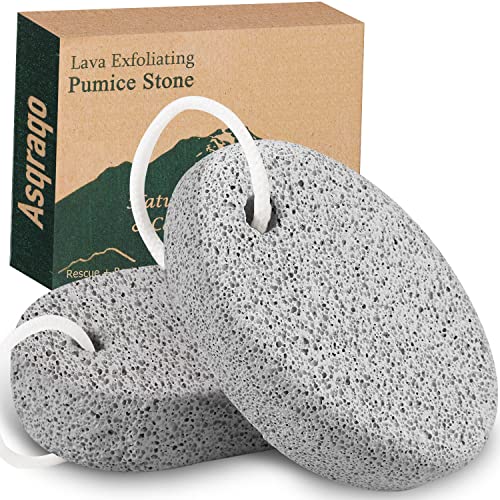
- Pumice stone for hands exfoliation dead skin remover — physical exfoliant for stubborn dry patches
- Exfoliating hand scrub with sugar salt microbeads for dry skin — gentle mechanical exfoliation
- Soft towels, mild hand soap, and a rich hand moisturizer or barrier cream


Before You Start
Check for skin conditions that may react to exfoliants, such as eczema or open cuts. If you have sensitive skin, test any product on a small patch first and use lower frequencies. Plan for a quick routine: exfoliate 1–3 times per week, moisturize generously after each session, and avoid over-scrubbing. Time estimates: setup 5 minutes, routine 15–25 minutes per session.
Important cautions: Do not apply chemical exfoliants on irritated or cracked skin. Do not mix strong acids with aggressive scrubbing. Stop if you notice persistent redness, burning, or stinging, and consult a dermatologist if uncertain.
Step-By-Step: How To Get Rid Of Dead Skin On Hands
- Begin with clean hands. Wash with a mild soap, rinse thoroughly, and pat dry.
- Moisten rough areas with warm water for 2–3 minutes to soften the skin.
- Apply the glycolic acid hand exfoliant 10% cream for dead skin in a thin layer over rough patches. Avoid cuticles and nails.
- Gently massage in circular motions for 30–60 seconds to help the acid penetrate dead skin cells.
- Rinse with lukewarm water and pat dry. If using, apply the exfoliating hand scrub with sugar salt microbeads for dry skin for a light polish.
- For stubborn areas, use a pumice stone for hands exfoliation dead skin remover with light, circular pressure. Do not rub aggressively.
- Rinse again and pat dry. Apply a rich moisturizer or barrier cream to seal in hydration while the skin rests.
- Repeat this routine 1–3 times per week, alternating products to prevent over-exfoliation.
- Monitor skin for signs of irritation. If irritation occurs, reduce frequency or discontinue the stronger product.
- Maintain daily hydration with a fragrance-free moisturizer, especially after washing hands or exposure to drying elements.
- Optional routine: once every 1–2 weeks, combine a gentle scrub with a masking layer of moisturizer to boost softness.
- Protect hands from irritants by wearing gloves when cleaning or using harsh soaps, then rehydrate afterward.
Troubleshooting
| Symptom | Likely Cause | Fix | Prevention |
|---|---|---|---|
| Stinging during use | Overly strong product or sensitive skin | Switch to a milder formula or reduce frequency | Patch test and start with minimal exposure |
| Persistent redness | Over-exfoliation or irritated skin | Pause exfoliation for a week or two, moisturize | Follow product directions and avoid aggressive scrubbing |
| Dry, flaky return after treatment | Insufficient moisture or environmental dryness | Increase moisturizer use and consider humidifier use | Apply moisturizer immediately after washing |
| Breakouts or clogged pores | Overuse of active ingredients | Limit to 1–2 sessions per week and cleanse thoroughly | Keep hands clean and avoid shared tools without sanitizing |
Common Mistakes
- Using harsh scrubs too aggressively on delicate areas
- Applying chemical exfoliants on broken skin
- Over-exfoliating, which can strip natural oils and cause irritation
- Skipping moisturizer after exfoliation, leading to rebound dryness
Tips For Best Results
- Space out exfoliation to 1–3 times per week based on skin response
- Always seal with a rich hand cream or ointment after treatment
- Apply sunscreen during daytime, as sun exposure can worsen dryness and uneven texture
- Keep nails trimmed and cuticles clean to reduce snagging and bacteria buildup
- Hydration matters: drink water consistently to support skin from within
Call A Professional
Seek professional help if skin remains persistently rough, painful, or shows signs of infection, extreme redness, or swelling. If there is a history of eczema, psoriasis, or dermatitis, consult a dermatologist before starting any exfoliation routine. For sensitive areas or persistent issues, a pro can tailor a regimen and recommend suitable products.
FAQ
How often should I exfoliate my hands?
Most people benefit from 1–3 sessions per week, depending on skin type and tolerance. Start conservatively and adjust as needed.
Can I use any soap while exfoliating?
Choose a mild, fragrance-free soap to minimize irritation. Harsh soaps can exacerbate dryness after exfoliation.
Is a pumice stone safe for sensitive skin?
Yes, but use light pressure and a gentle touch. If skin feels irritated, skip the pumice and rely on chemical exfoliants instead.
Should I moisturize before or after exfoliating?
Moisturize after exfoliating to lock in hydration. If skin is very dry, you can lightly moisturize before and reapply after.
Buying Guide
Choosing the right tools and products helps ensure effective and safe results. Consider the following factors when shopping for hand exfoliation aids and moisturizers:
- <bSize and texture: Hand exfoliants come in scrubs, scrubs with microbeads, and soft creams. Pick a texture that suits your skin sensitivity and routine frequency.
- <bActive ingredients: Glycolic acid at 10% provides effective chemical exfoliation. If you have sensitive skin, start with a lower percentage or alternate with milder formulations.
- <bExfoliation balance: Combine chemical and physical methods cautiously. Avoid layering multiple strong exfoliants in a single session.
- <bMoisturizers and barrier support: Post-exfoliation, select a rich, fragrance-free moisturizer or ointment to restore the skin barrier.
- <bPlacement and usage: Use products as directed, avoiding application near the cuticles or under nails to prevent irritation or ingrowth.
- <bMaintenance: Regular maintenance with gentler routines reduces the likelihood of dry patches and rough texture over time.
- <bSafety and compatibility: Check for ingredients that may cause irritation if you have sensitive skin or a history of dermatitis.
Would you like help choosing between the listed options, or a personalized routine based on your skin type and climate? A balanced approach with the right tools often yields smoother, healthier hands without overdoing exfoliation.
Leave a Reply