How to Get Rid of Barnacles on a Boat
Barnacles are common marine encrustations that cling to hulls and speed through maintenance routines. This guide provides practical, safety-conscious steps for removing barnacles using common marine tools, along with tips to prevent reoccurrence and protect hull surfaces.
Quick Answer
For best results, start with a mechanical scrape to remove the bulk of barnacles, then use a hull cleaning brush for gentle scrubbing and a plastic scraper head for delicate areas. Rinse thoroughly and apply a hull protective treatment if needed to slow future growth.
What You’ll Need
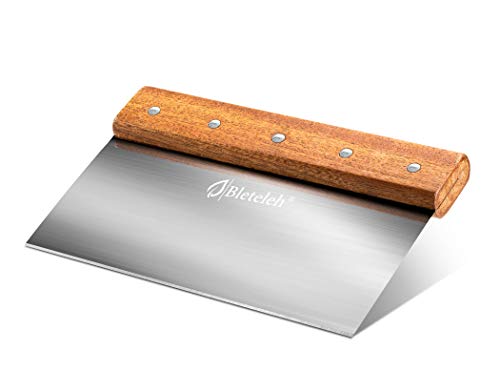
- Barnacle scraper for boats stainless steel blade 8 inch
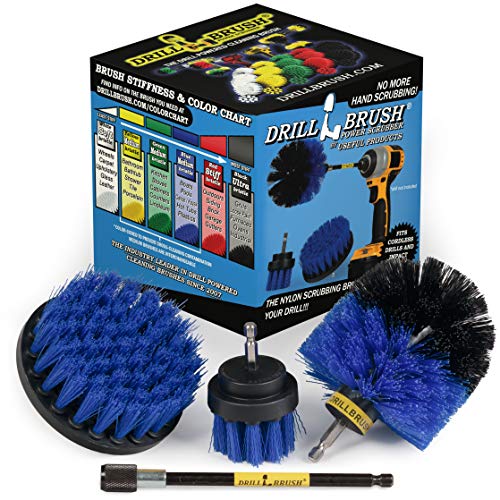
- Hull cleaning brush marine grade nylon bristles boat scrubber
- Barnacle removal tool with plastic scraper head for boats

Before You Start
Prepare a clean, dry work area on deck or dock. Remove loose objects from the vicinity to avoid slips. Wear eye protection and gloves to guard against sharp barnacle edges. Assess the hull for gel coat integrity; extensive cracking or pitting may require professional attention. Plan for at least 1–2 hours of work, depending on hull size and barnacle density. Protect surrounding marine life and rinse residues away from sensitive water areas.
Step-By-Step: How To Remove Barnacles
- Secure the vessel and ensure it is comfortably accessible for cleaning from a davit, ladder, or platform.
- Inspect the hull to identify heavy clusters versus light encrustation and map out the work area.
- Use the barnacle scraper for boats stainless steel blade 8 inch to pry up the leading edge of the barnacles, applying steady, controlled pressure.
- Switch to the barnacle removal tool with plastic scraper head for delicate spots and edges to avoid scratching the gel coat.
- Continue to remove barnacle masses in small segments, keeping the blade sharp and avoiding gouging the hull.
- Once the heavy growth is removed, scrub the area with the hull cleaning brush marine grade nylon bristles boat scrubber to lift remaining shell fragments and slimy residue.
- Rinse the hull with a strong stream of fresh water or pressurized rinse to wash away debris and salt residues.
- Dry the area and inspect for any missed spots; repeat the abrasive steps as needed but with caution near delicate areas.
- Apply a protective coating or anti-fouling treatment if recommended for your vessel type and water conditions; follow product directions exactly.
- Document the process and check the hull periodically, especially after launching, to catch new growth early.
- Dispose of removed barnacle material according to local environmental regulations and rinse tools after use.
Troubleshooting
| Symptom | Likely Cause | Fix | Prevention |
|---|---|---|---|
| Scraper dulls quickly | Hard barnacle shell and grit | Sharpen blade or switch to a stainless steel blade | Rinse hull regularly to reduce buildup |
| Gel coat scratches after cleaning | Aggressive scraping | Switch to plastic scraper head for sensitive areas | Work in small, controlled motions |
| Recurrent barnacle growth | Harsh water or poor anti-fouling protection | Apply recommended hull coating or anti-fouling treatment | Follow maintenance schedule and clean hull often |
| Residue on deck after rinse | Salt and shell fragments | Rinse deck and rinse again from multiple angles | Contain work area to prevent drift |
Common Mistakes
- Using excessive force that gouges gel coat
- Neglecting to protect delicate areas like rudders and trim surfaces
- Rushing through cleanup without thorough rinsing
- Ignoring local disposal rules for shell fragments and debris
Taking a measured approach reduces damage risk and improves long-term hull cleanliness.
Tips For Best Results
- Schedule cleaning during calm, dry conditions to reduce slip hazards.
- Work from the center outward to minimize missed spots and reattaching barnacles.
- Keep tools regularly maintained; sharp blades remove shells more efficiently and gently.
- Combine mechanical removal with careful brushing to maximize shell removal and surface smoothness.
- After cleaning, consider a hull coating that resists biofouling to slow future growth.
Call A Professional
Consult a professional if there is significant hull damage, extensive gel coat cracking, or if barnazole-like organisms indicate potential structural issues. Stop work immediately if there is persistent hull moisture, unusual hull flexing, or a failure to surface areas that were previously intact. Seek help when the vessel cannot be safely accessed from a stable platform or when anti-fouling treatments require specialized application.
FAQ
What’s the best tool to remove stubborn barnacles?
The combination of a stainless steel blade scraper and a plastic scraper head provides strength for heavy growth and gentle treatment for delicate areas.
Can I use household cleaners to remove barnacles?
Household cleaners are not designed for hull surfaces; use marine-grade tools and cleaners recommended for boats to avoid damage.
How often should I clean barnacles off a boat hull?
Frequency depends on water conditions, but inspecting and cleaning every 1–3 months during active seasons helps prevent heavy buildup.
Is anti-fouling paint necessary?
Anti-fouling coatings slow barnacle growth, especially in warm, nutrient-rich waters; follow manufacturer guidelines for application and maintenance.
Buying Guide
When choosing tools to remove barnacles, consider the hull material, typical growth levels, and ease of use. The right combination of a barnacle scraper for boats stainless steel blade 8 inch, a hull cleaning brush marine grade nylon bristles boat scrubber, and a barnacle removal tool with plastic scraper head for boats offers versatility for most vessels. Look for corrosion resistance, comfortable handles, and tool availability for maintenance routines. For larger vessels or frequent use, investing in slightly heavier-duty tools can reduce effort and protect hull integrity over time. Compare tool weight, blade quality, and replacement part availability to ensure long-term value and dependable performance.
Buying Guide: Key Factors To Consider
- Size and reach: Ensure the scraper length fits access points on your hull without overreaching or straining.
- Material quality: Stainless steel blades resist corrosion; nylon bristles protect gel coat while scrub brushes remain effective.
- Control and comfort: Ergonomic handles reduce fatigue during prolonged cleaning sessions.
- Impact on hull: Plastic scraper heads are gentler on delicate surfaces; reserve metal blades for tougher barnacles.
- Maintenance and replacements: Check for readily available replacement blades and brushes.
- Storage and transport: Choose compact, rust-resistant tools suitable for onboard storage.
- Environment: Prefer tools and cleaners designed for marine use that minimize ecological impact.
With the right tools and a steady approach, removing barnacles becomes a manageable part of regular boat maintenance. Would you like a quick gear checklist tailored to your boat size and typical docking locations?
Leave a Reply