How to Get Rid of Musty Smell in Laundry Room
Musty odors in laundry spaces are a common indoor air issue caused by moisture, poor ventilation, and clutter. This guide provides practical, American-friendly steps to eliminate the smell, improve humidity control, and keep the laundry room smelling fresh long-term.
Quick Answer
Identify moisture sources, install a dehumidifier, use odor absorbers, and monitor dampness with a moisture meter. Regular cleaning and airflow are essential to prevent recurrence.
What You’ll Need
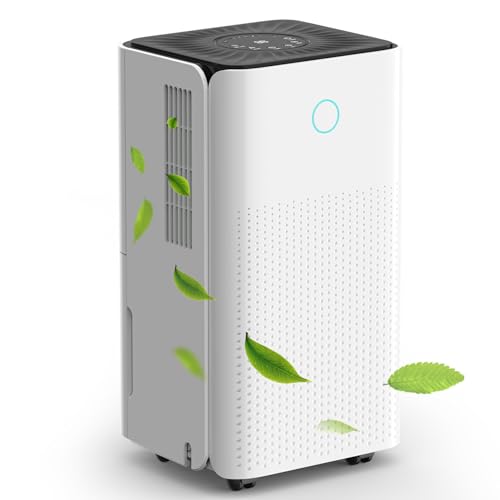
- 30 pint dehumidifier with continuous drain for laundry room
- Activated charcoal odor absorber bags for laundry room closet
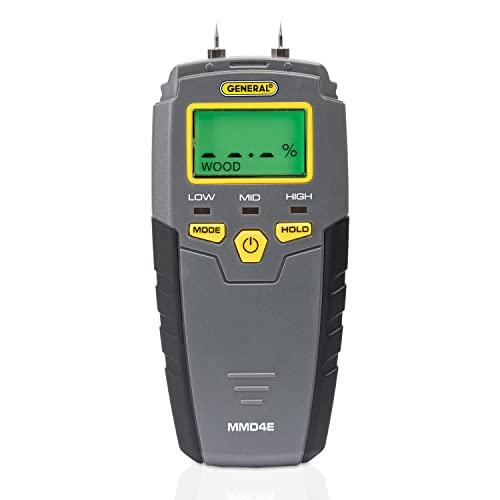
- Digital moisture meter for dampness in laundry room walls
- Eco-friendly cleaning supplies (baking soda, white vinegar, mild detergent)
- Ventilation aids (exhaust fan or window vent kit)
- Storage solutions (bins, shelves, and hooks to declutter)

Before You Start
Assess the space for standing water, leaks, or obvious mold growth. Turn off electrical outlets near damp areas before inspecting. Plan for a 1–3 day process depending on humidity levels and ventilation availability. Time estimates vary: a quick odor check (1 hour) vs. full moisture remediation (1–3 days).
Step-By-Step: How To Eliminate Laundry Room Odors
- Measure current humidity using the digital moisture meter for dampness in laundry room walls to identify high-risk areas.
- Fix leaks and standing water—inspect hoses, valves, and the floor; repair or replace any dripping components.
- Increase airflow by running a vent or opening a window; aim for a steady cross-breeze if possible.
- Install a dehumidifier—set up the 30 pint dehumidifier with continuous drain for laundry room to maintain indoor humidity around 40–50% for comfort and odor control.
- Direct moisture management—attach the dehumidifier’s drain hose to a floor drain or sink for continuous operation without emptying.
- Absorb odors—place activated charcoal odor absorber bags for laundry room closet in cabinets, laundry bins, and the closet to capture lingering smells.
- Deep clean fabrics and surfaces—wash towels and rugs in hot water, and wipe down all surfaces with a solution of mild detergent and white vinegar to neutralize residues.
- Declutter and organize—store detergents, lint, and dirty items in closed containers to reduce moisture buildup and dust that feed odor formation.
- Schedule regular maintenance—run the dehumidifier daily for the first two weeks, then maintain periodic checks with the moisture meter.
- Monitor and adjust—check humidity levels weekly and replace odor absorber bags every few months as they become saturated.
- Prevent mold growth—keep surfaces dry after use; promptly dry laundry areas that become damp from spills or over-wetting wash cycles.
Troubleshooting
| Symptom | Likely Cause | Fix | Prevention |
|---|---|---|---|
| Persistent musty smell | High humidity or hidden mold | Run dehumidifier, inspect for mold, clean affected areas | Maintain humidity 40–50%; use odor absorbers |
| Humidity reading >60% | Inadequate airflow or leaks | Improve ventilation; repair leaks | Schedule regular checks |
| Clothes feel damp after washing | Poor drainage or overloading | Empty pump/condensate, reduce load | Proper laundry settings |
| Charcoal bags quickly saturate | Excess moisture | Increase airflow and use additional bags | Place in multiple spots |
| Visible mold on walls | Chronic dampness | Deep clean, treat with mold remover, seal | Address moisture sources |
Common Mistakes
- Ignoring hidden damp areas behind appliances or cabinets
- Relying on air fresheners alone without reducing humidity
- Blocking airflow with bulky stored items
- Using dehumidifiers without a drainage plan
Tips For Best Results
- Run the dehumidifier continuously during humid months and reduce use when humidity is stable.
- Pair odor absorbers with good cleaning to remove root causes, not just symptoms.
- Place a small fan to circulate air around the laundry area without creating noise nuisance.
- Regularly inspect washing machines and hoses for leaks; even small drips can sustain odors.
- Test humidity and moisture levels weekly to catch issues early.
Call A Professional
Call a professional if you notice visible mold growth, persistent musty odors after moisture control attempts, or if you suspect water intrusion from building defects. Seek urgent help if you experience coughing, throat irritation, or wheezing relief issues, which may indicate mold exposure or poor indoor air quality.
FAQ
What humidity level should laundry rooms maintain?
Aim for 40–50% relative humidity to minimize musty odors and mold risk.
How often should I run a dehumidifier in a laundry room?
Run it daily during humid seasons or whenever the moisture meter shows elevated readings.
Do charcoal odor absorbers work for laundry rooms?
Yes, they help capture odors when used in multiple areas; replace or recharge as needed.
Can mold cause odors even without visible signs?
Yes, mold spores can emit musty smells even if mold is hidden behind walls or cabinets.
Is it safe to leave a dehumidifier running all day?
Yes, most models are designed for continuous operation if properly connected to drainage and maintained.
Should I use air fresheners in addition to moisture control?
Air fresheners mask odors but do not solve underlying moisture or mold problems; use them sparingly.
What maintenance steps reduce recurring odors?
Regularly clean surfaces, check hoses, maintain humidity targets, and replace odor absorbers when saturated.
Buying Guide
Choosing the right setup for a laundry room depends on space, climate, and usage. Consider these factors to ensure effective odor control and humidity management.
Size and capacity
Match the dehumidifier size to room square footage. Larger spaces or areas with higher humidity require higher-capacity units, such as a 30 pint model for steady performance in laundry areas.
Noise level
Look for units with low dB ratings, especially if the laundry room is adjacent to living spaces. Quiet operation improves comfort during longer runs.
Energy efficiency
Choose Energy Star-rated models to minimize electricity use while maintaining efficiency in damp conditions.
Controls and drainage
Prefer units with continuous drainage options to avoid manual emptying. A clear control panel helps maintain consistent humidity targets.
Placement and airflow
Position dehumidifiers away from walls to allow unobstructed airflow. Ensure the unit can exhaust air effectively and connect drainage safely.
Odor control tools
Integrate activated charcoal odor absorber bags for laundry room closet in strategic spots, especially near laundry baskets and cabinets where odors tend to accumulate.
Moisture monitoring
A digital moisture meter offers quick checks of walls and hidden spaces, helping you adjust humidity control before odors intensify.
Maintenance needs
Check filter cleanliness and drainage lines regularly. Simple maintenance prevents performance drops and odor resurgence.
Leave a Reply