How to Get Rid of Roaches in Your Car
Roaches inside a vehicle can be persistent and uncomfortable. This guide outlines practical steps and safe products to reduce and remove roach infestations from car interiors, keeping surfaces and fabrics protected.
By following a structured plan—combining preventive cleaning, targeted treatments, and smart placement—you can regain a comfortable, pest-free cab or SUV.
Quick Answer
Act quickly with a focused clean, then apply fabric-safe sprays, gel bait, and sticky traps in strategic locations. Safer products designed for car interiors help minimize contact with occupants while addressing roaches at multiple life stages.
What You’ll Need
- Roach spray for car interior fabric safe
- Roach gel bait for car
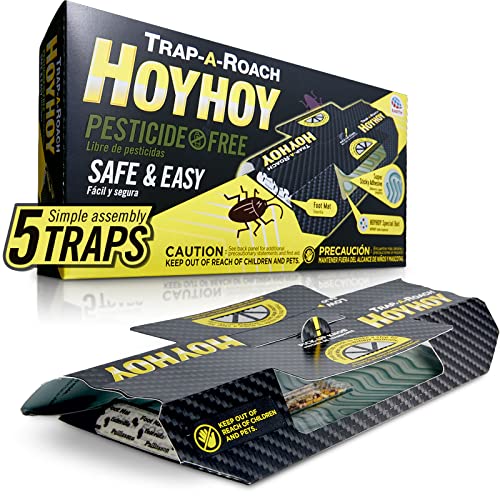
- Car roach traps sticky traps


Before You Start
Prepare a clean, ventilated space by removing trash and food remnants. Wear gloves and use a flashlight to inspect hidden areas such as seat seams, floor mats, and HVAC vents. Test any spray on a small fabric area to ensure no staining occurs. Time estimate: 1–3 hours for initial treatment, plus follow-up checks over the next week.
Critical cautions: avoid spraying directly onto electronics or air vents unless the product is specifically labeled for those areas. Keep pets and children away during treatment and allow thorough drying before driving.
Step-By-Step: How To Get Rid Of Roaches In Your Car
- Empty the car and vacuum thoroughly, paying attention to crevices, seat folds, and trunk compartments.
- Wipe down all hard surfaces with a damp cloth to remove oil residues that attract roaches.
- Apply a fabric-safe roach spray to the interior surfaces, focusing on seat seams, door panels, and under cushions. Allow to dry completely.
- Apply roach gel bait for car in small, discrete spots where roaches travel, such as under seats and near mats. Follow label directions for placement.
- Place car roach traps sticky traps in high-traffic areas like the footwell and rear cargo area, ensuring they are out of direct reach of feet and pets.
- Run the car’s ventilation briefly with windows down if safe, to help odors dissipate after treatment.
- Re-inspect after 3–5 days. Reapply gels or sprays to any remaining hotspots and replace traps as needed.
- Maintain a cleaned interior and remove food sources to prevent re-infestation. Consider periodic checks every 2–4 weeks.
- For persistent activity, repeat the above steps and consider professional guidance if roaches remain visible or if you notice eggs or a large population.
- Document any recurring hotspots to adjust placement and products in future treatments.
- Disposal: responsibly discard empty containers and used traps, following local disposal guidelines.
- Review interior fabrics and mats for staining or odor and address promptly to prevent attracting new roaches.
Troubleshooting
| Symptom | Likely Cause | Fix | Prevention |
|---|---|---|---|
| Roaches seen after treatment | Hidden harborages remain | Expand spray and bait coverage; check under seats | Vacuum regularly; seal entry points |
| Smell of chemicals persists | Over-application or residuals | Ventilate; wipe surfaces after drying | Use fabric-safe products only as directed |
| Sticky traps not catching pests | Low traffic areas; traps not placed correctly | Move traps to door thresholds and footwells | Keep surfaces clear for trap effectiveness |
| Infestation returns after a week | New roaches entering from outside or overlooked eggs | Increase cleaning and re-bait | Seal gaps and remove food sources |
Common Mistakes
- Using household sprays not labeled for car interiors on fabrics
- Overlooking hidden areas like seat seams and under mats
- Relying on a single treatment instead of a multi-step approach
- Ignoring safety instructions or driving with damp sprays
Tips For Best Results
- Coordinate treatments with a full interior cleaning for best air quality and access to hidden roaches.
- Place bait and traps in locations roaches frequent but away from passengers’ feet.
- Follow product labels for drying times before reassembling or using the vehicle.
- Rotate trap positions every few days to monitor activity and improve coverage.
Call A Professional
Contact a pest control professional if roach activity persists after two treatment cycles or if you observe widespread infestation, unusual odors, or eggs in inaccessible areas. Seek immediate assistance if you notice damage to wiring, upholstery, or other critical car components.
FAQ
Are roach gels safe for car interiors?
Yes, roach gel bait for car products are designed for interior use and should be applied following label directions to minimize exposure to passengers.
Can I drive immediately after applying sprays?
Most sprays require a complete dry time before driving; check the product label for specific guidance.
Where should I place sticky traps in a car?
Best locations include near door thresholds, under seats, and in the cargo area where roaches travel.
How often should I recheck after treatment?
Recheck within 3–5 days and again after 1–2 weeks to ensure activity is eliminated.
Will roaches reenter the car after cleaning?
Yes, if food residues or attractants remain. Maintain regular cleaning and seal entry points when possible.
Can heat or humidity affect treatment effectiveness?
Extreme temperatures can influence product performance; follow the label for storage and application conditions.
Buying Guide
Choosing the right combination of products helps tailor a plan for car roach control. Consider how often the car is used, the fabric types inside, and the potential exposure to passengers.
Key buying factors include:
- Size and coverage: Select sprays and gels suitable for interior surfaces and common hiding spots. Large vehicles may need more units or repeated applications.
- Noise level and odor: Prefer low-odor formulations to minimize disruption during driving and passenger comfort.
- Energy efficiency: Not a direct factor for roach control, but choosing products with efficient packaging helps reduce waste and repeated purchases.
- Controls and safety: Look for clear instructions, fabric-safe labeling, and child/pet safety considerations.
- Placement flexibility: Traps and gels that offer discreet placement help maintain interior aesthetics.
- Maintenance needs: Some products require reapplication after a certain period; factor in ongoing upkeep to prevent re-infestation.
- Compatibility with car materials: Ensure cleaners and sprays are safe for fabric, vinyl, and plastic surfaces.
Think about a multi-product approach: fabric-safe spray for broad coverage, gel bait for targeted control, and sticky traps for ongoing monitoring. If unsure, consult product guides or a pest-control professional for a tailored plan.
Leave a Reply