How to Clean Nicolock Pavers
Nicolock pavers offer durable, attractive surfaces, but keeping them looking their best requires a targeted cleaning approach. This guide outlines practical steps to remove dirt, algae, and stains without damaging the stone or grout joints. By using the right tools and methods, homeowners can restore color and curb appeal with confidence.
Advanced cleaning can be done at a comfortable pace, with attention to surface safety and preventive maintenance to extend the life of Nicolock pavers in driveways, patios, and walkways.
Quick Answer
For routine cleaning, use a gas pressure washer suitable for concrete pavers, a stiff nylon brush on a pole for scrubbing, and a masonry/concrete patio cleaner kit designed for pressure washers to tackle stains. Start with the lowest effective pressure to avoid etching or dislodging joint sand. Rinse thoroughly and seal after drying for best results.
What You’ll Need
- Gas pressure washer for concrete pavers
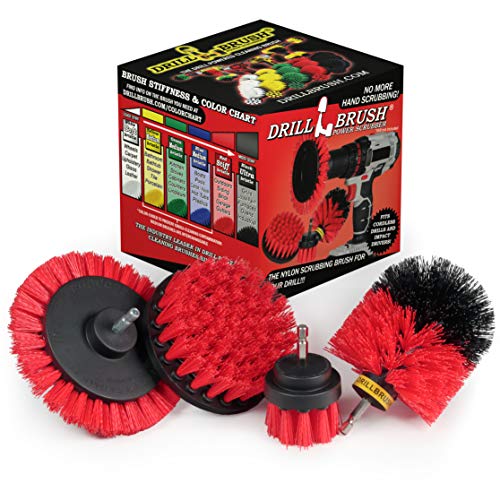
- Stiff nylon cleaning brush for pavers with pole
- Masonry/concrete patio cleaner kit for pressure washer


Before You Start
Inspect the Nicolock surface for loose or damaged pavers and recompact joints as needed. Clear debris from the area to prevent scratching. Work in shaded conditions to avoid rapid drying and streaks. Time estimate: 1–3 hours depending on area size and staining. Wear eye protection and non-slip footwear during washing, and never aim the spray at nearby plants or electrical outlets.
Step-By-Step: How To Clean Nicolock Pavers
- Protect surrounding areas by laying drop cloths or plastic barriers around plants and outdoor furniture.
- Attach a suitable nozzle to the gas pressure washer and set it to a low to medium pressure appropriate for concrete pavers.
- Apply a masonry/concrete patio cleaner directly to the paver surface following the product’s instructions.
- Use the stiff nylon brush on a pole to scrub stubborn stains in a circular motion, focusing on darkened or stained areas.
- Rinse the surface with a wide, even spray, starting from one end and moving methodically to the other to prevent streaks.
- Reapply cleaner to persistent stains, then scrub again and rinse until the water sheet is clear.
- Inspect joints for sand loss; top up with polymeric sand and compact if needed after the surface is completely dry.
- For mildew or algae, repeat with a mild cleaner and a longer dwell time on affected zones, avoiding excessive use of bleach.
- Allow complete drying (typically 24–48 hours) before walking on or sealing the pavers.
- Optionally seal the Nicolock pavers to reduce staining and simplify future cleanings, following the sealer’s instructions.
- Document the process with photos for future reference and maintenance scheduling.
Troubleshooting
| Symptom | Likely Cause | Fix | Prevention |
|---|---|---|---|
| Pitting or etched marks after cleaning | Excessive pressure or improper nozzle | Lower pressure, use wider spray angle | Test in a hidden area first |
| Streaks or uneven color | Uneven cleaner dwell or poor rinsing | Reapply cleaner and rinse thoroughly | Rinse gradually from one end |
| Weeds in joints | Vacant or degraded joint sand | Re-sand joints after dry | Maintain joints periodically |
| Algae regrowth | Moist, shaded surface; residual spores | Use a mildew cleaner and extend dwell time | Improve drainage and sun exposure |
Common Mistakes
- Using aggressive acidic cleaners that can damage concrete and Nicolock surfaces
- Spraying too close or with high pressure on the joints, causing sand loss
- Neglecting to rinse completely, leaving residue that darkens the pavers
- Oversealing immediately after cleaning without adequate drying
Tips For Best Results
- Test a small, inconspicuous area before full-cleaning to confirm color stability
- Work in sections to maintain consistent cleaning and drying times
- Use a litter brush or broom to sweep away debris before washing to reduce contamination
- Consider a concrete-safe cleaner specifically formulated for pavers when tackling oil or grease stains
- Schedule annual or biennial cleaning and reseal to preserve color and protection
Call A Professional
Seek professional help if there are widespread cracks, loose pavers, or severe staining that persists after repeated cleaning. Stop and contact a licensed hardscape contractor if you notice drastic joint sand loss, shifting pavers, or efflorescence that might indicate deeper moisture issues.
FAQ
Can I use a household pressure washer on Nicolock pavers?
Yes, but use a low-to-medium pressure setting and a wide spray tip to avoid damage to the surface and joints.
What cleaners are safe for Nicolock pavers?
Choose cleaners labeled safe for concrete pavers and Nicolock systems; avoid highly acidic products unless specified by the manufacturer.
Should I seal Nicolock pavers after cleaning?
Sealing after thorough drying can help repel stains and make future cleanings easier, but follow the sealer’s instructions for timing.
How often should Nicolock pavers be cleaned?
Routine cleaning 1–2 times per year is common, with more frequent cleaning in areas with algae, mold, or heavy staining.
What maintenance should follow cleaning?
Re-sand joints if needed and inspect for loose pavers; address drainage issues to prevent future staining.
Is it necessary to remove growth before cleaning?
Yes, remove loose debris and vegetation to prevent scratching and improve cleaning effectiveness.
Can I adjust color brightness after cleaning?
Color changes are typically procedural; sealing can enhance color contrast while protecting the surface.
Buying Guide
When selecting tools and products for Nicolock paver cleaning, consider size and scope, noise tolerance, energy efficiency, controls, and placement. For larger driveways, a gas pressure washer with adjustable PSI can save time, while smaller patios may benefit from a more portable unit. Look for a pressure washer designed for concrete and a nozzle set that minimizes risk to joints. Choose a durable stiff nylon brush with a long handle for comfortable scrubbing, and pick a reputable masonry/concrete patio cleaner kit compatible with your pressure washer. Consider how often you clean and whether you plan to reseal, which can influence the need for a sealant with suitable coverage and a long-lasting finish. Finally, ensure storage space and weather exposure align with the equipment’s durability and safety requirements. If in doubt, consult a professional to tailor a cleaning plan to your Nicolock installation.
Leave a Reply