How to Clean Foam Sandals at Home: Quick and Safe Methods
Foam sandals offer lightweight comfort, but their porous material can trap dirt and odors. With the right tools and steps, you can restore their look without damaging the foam or straps. This guide provides practical methods for American households to clean foam sandals effectively.
Following a simple routine keeps sandals fresh for longer. The instructions below emphasize gentle scrubbing, proper drying, and routine maintenance to prevent stubborn stains and lingering smells.
Quick Answer
Best first step: remove loose debris and rinse with cool water. Use gentle brushing with a soft bristle brush to lift dirt without wearing down the foam. For tougher stains, target spots with a nylon scrub sponge and a mild soap solution, then rinse and air dry completely.
What You’ll Need
- soft bristle shoe cleaning brush set
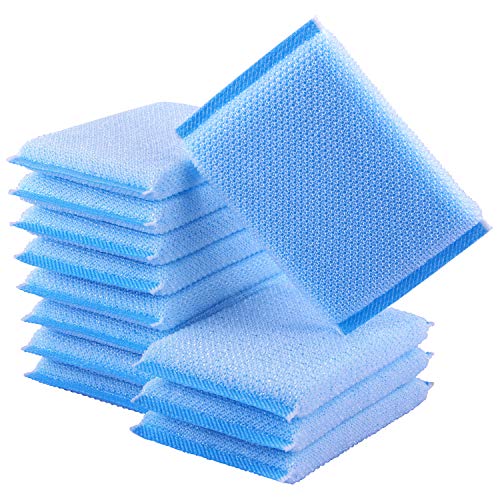
- nylon scrub sponge for foam sandals cleaning
- microfiber cleaning cloth for shoes and sandals


Before You Start
Prepare a clean workspace and gather supplies. Test any cleaner on a small, inconspicuous area of the sandal first to avoid discoloration. Use cool or lukewarm water, never hot, as heat can deform foam. Avoid soaking foam sandals for extended periods as it may loosen adhesives and degrade the foam over time. Time estimate: 10 to 30 minutes depending on dirt level.
Step-By-Step: How To Clean Foam Sandals
- Rinse the sandals under cool running water to remove loose dirt and debris.
- Mix a small amount of mild soap with water in a shallow basin or sink.
- Dip the soft bristle brush into the soapy solution and gently scrub the footbed and straps in circular motions.
- For stubborn marks, use the nylon scrub sponge with light pressure on the affected areas.
- Rinse thoroughly with clean cool water to remove all soap residues.
- Pat dry with a microfiber cleaning cloth and allow to air dry completely in a shaded, ventilated area.
- If odor remains, sprinkle a small amount of baking soda and let sit overnight before brushing off and airing out again.
- Inspect and repeat only on areas with persistent stains, avoiding vigorous scrubbing that can wear foam.
- Reinsert insoles or soft components once completely dry to prevent trapping moisture.
- Store in a dry area away from direct sunlight to minimize color fading and material fatigue.
- For ongoing freshness, clean sandals after sweaty use or beach trips to prevent buildup.
- Consider a light conditioning spray designed for foam materials if recommended by the manufacturer.
Troubleshooting
| Symptom | Likely Cause | Fix | Prevention |
|---|---|---|---|
| Persistent odor after cleaning | Residual moisture or bacteria | Air dry thoroughly; apply baking soda overnight | Dry sandals completely after each use |
| Foam feels stiff or deformed | Excess heat or harsh cleaners | Rinse with cool water, avoid hot water, use mild soap | Store away from heat; use gentle cleaners |
| Color fading on straps | Direct sun exposure during drying | Dry in shade; use UV protective sprays if advised by manufacturer | Air dry indoors or in shade |
| Stubborn ground insole stains | Deep embedded dirt | Target with nylon scrub sponge and repeat mild scrubbing | Rinse promptly after use to prevent setting |
Common Mistakes
- Using aggressive brushes that fray foam surfaces
- Soaking sandals for long periods
- Using hot water or harsh solvents
- Skipping thorough drying which leads to mildew
Prevent these issues by choosing gentle tools, mild cleaners, and adequate drying time. Regular upkeep reduces deep staining and extends sandal life.
Tips For Best Results
- Always test cleaners on a hidden area first
- Clean in small sections to avoid spreading dirt
- Use a microfiber cloth to lift moisture without scratching foam
- Schedule routine cleanings after outdoor activity or gym use
- Rotate between light cleaning and deep clean cycles to maintain foam integrity
Call A Professional
Seek professional help if foam sandals show significant cracking, persistent mold that does not respond to cleaning, or unusual odors that return after cleaning. If the sandals have special materials or brand specific instructions, consult the manufacturer’s guidelines first.
FAQ
Can I clean foam sandals in a washing machine?
Washing machines can damage foam and loosens adhesives; it is not recommended. Use spot cleaning with mild soap and water instead.
What is the best soap for foam sandals?
Use a mild liquid soap or gentle dish soap mixed with cool water for safe cleaning.
How long should foam sandals dry after washing?
Allow full air drying for at least 6 to 12 hours in a shaded area before wearing or reassembling components.
Which cleaners should I avoid on foam sandals?
Avoid bleach, solvents, ammonia, or abrasive cleaners that can degrade foam.
Will baking soda help with odor permanently?
Baking soda can help neutralize odors temporarily; for persistent smells, repeat drying and cleaning cycles, or consider a moisture absorbing agent between wears.
Do I need to coat foam sandals after cleaning?
Coatings are usually unnecessary; follow manufacturer care guides if a protective spray is recommended.
Buying Guide
When choosing products to maintain foam sandals, key factors include size compatibility, noise level during cleaning, energy use of any powered tools, and user ease. For cleaners and brushes, look for soft bristle tools that are gentle on foam textures and bristles that resist shedding. Consider a microfiber cloth set for quick touch ups and a nylon scrub sponge for tougher stains. Placement of tools should keep dirty water contained and away from living spaces. Compare several options based on how often you clean, the level of dirt typically encountered, and whether you prefer foams that dry quickly or require extra drying time.
Leave a Reply