How to Remove Bum Hair for Women Safely
Body hair in sensitive areas can be a source of curiosity and discomfort for many. This guide covers practical, safe methods for removing bum hair at home, with a focus on comfort, skin health, and reusability of tools. Readers will find step-by-step procedures, safety notes, and troubleshooting tips to help choose the right approach.
Quick Answer
Choose a method that suits your skin type and comfort level. For beginners, a waterproof cordless epilator with a massage head or a cordless bikini trimmer offers precision with less risk of nicks. For longer-lasting smoothness, consider a hard wax kit designed for sensitive areas. Always test a small skin patch and follow product instructions for best results.
What You’ll Need
- women’s bikini epilator waterproof cordless with massage head
- cordless bikini trimmer for women waterproof precision trimming
- hard wax kit for bikini area with spatula sticks and soothing wipes

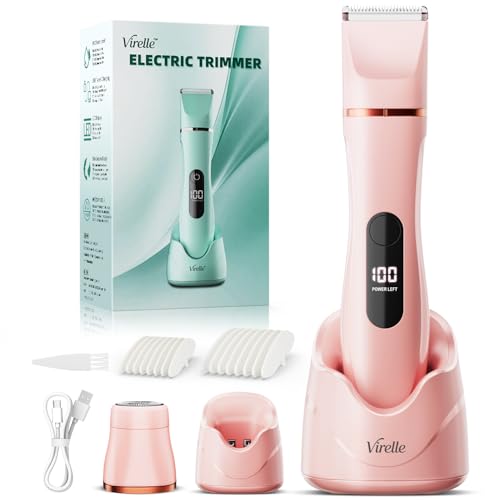

Before You Start
Prepare the skin by cleansing with a mild, fragrance-free cleanser and drying thoroughly. Exfoliate gently 24 hours beforehand to reduce ingrown hairs. Choose a quiet, well-lit area and test any product on a small patch of skin at least 24 hours prior to full use. Avoid heavy rubbing or applying heat to irritated skin. Time estimate: 20–60 minutes for initial pass, with maintenance sessions as needed.
Step-By-Step: How To Remove Bum Hair Safely
- Decide on a method: epilation, trimming, or waxing, based on skin sensitivity and desired duration.
- Prepare tools: charge the cordless device, gather wax applicators, wipes, and a clean mirror for visibility.
- Cleanse the area thoroughly and pat dry to remove moisture that can impede tool performance.
- If waxing, apply a thin, even layer of wax in the direction of hair growth and place the strip firmly. Pull swiftly against hair growth while keeping the skin taut.
- If using an epilator, hold the device at a 90-degree angle to the skin and glide with short, steady passes in the direction of hair growth. Pause if skin becomes red or tender.
- If trimming, use a precision trimmer to shape the area, moving slowly and keeping skin taut to avoid nicks.
- Aftercare: wipe away residue with soothing wipes, apply a fragrance-free moisturizer, and avoid sun exposure for at least 12–24 hours.
- Monitor skin for reactions: if irritation persists beyond 24–48 hours, consider switching methods or consulting a professional.
- Establish a routine: exfoliate 1–2 times weekly to minimize ingrown hairs and plan maintenance sessions every 2–4 weeks, depending on hair growth.
- Store tools in a dry place, clean them after each use, and replace wax or blades as recommended by the manufacturer.
- Keep a small patch test kit handy for new products to prevent adverse reactions.
Troubleshooting
| Symptom | Likely Cause | Fix | Prevention |
|---|---|---|---|
| Red, irritated skin after waxing | Sensitive skin or improper technique | Apply soothing wipes and fragrance-free balm; wait before next session | Patch test; follow wax temperature guidelines |
| Hair regrowth feels coarse or uneven | Inconsistent passes or poor exfoliation | Exfoliate regularly; ensure even application and steady motion | Maintain a consistent routine |
| Pain during epilation | Dehydrated skin or incorrect device angle | Hydrate skin; adjust angle to keep contact with hair | Use a massage-head option and slow strokes |
| Wax residues on skin | Wax not warmed enough or applied too thick | Warm wax to recommended consistency; apply thin layers | Follow packaging directions precisely |
Common Mistakes
- Rushing the process and pulling against the skin’s direction
- Using wax on irritated or broken skin
- Not doing a patch test before full application
- Skipping exfoliation, leading to ingrown hairs
- Ignoring aftercare and sun exposure guidelines
Tips For Best Results
- Always follow product temperatures and timing guidelines for waxing products
- Hydrate skin and use a cooling effect or soothing wipes after treatment
- Limit sun exposure for 24 hours post-treatment to reduce irritation
- Maintain a gentle exfoliation schedule to prevent ingrown hairs
- Store devices and wax kits in a clean, dry area to extend their life
Call A Professional
Seek professional help if there are signs of severe irritation, persistent redness beyond 48 hours, or infection symptoms (pus, fever). Consider a licensed esthetician for precision waxing or laser hair removal consultations if you desire longer-lasting results or have sensitive skin that reacts to at-home methods.
FAQ
Is it safe to remove bum hair at home?
Yes, with proper tools, patch testing, and following product instructions. Start with gentler methods if you have sensitive skin.
What’s the best method for beginners?
A cordless bikini trimmer for precise trimming is a gentle starting option before moving to waxing or epilation.
How long do results last after waxing?
Typically 2–4 weeks, depending on hair growth and aftercare routines.
Can I reuse wax strips?
Most wax kits use disposable strips; follow the kit instructions for any reuse guidance if allowed.
Buying Guide
When selecting tools and products for removing bum hair, consider size, noise, energy efficiency, controls, and placement. Look for waterproof designs if you plan to use tools in the bath or shower, and choose devices with multiple speed settings and a massage head to reduce discomfort. Consider whether you prefer corded or cordless operation for flexibility. For waxing, opt for kits designed for sensitive areas with soothing wipes and spatulas included. Compare results based on skin sensitivity, hair type, and maintenance needs to find the best long-term solution.
Leave a Reply