How to Clean Muck Boots: A Practical Guide for American Homes
Dirty muck boots are common after outdoor work, farm chores, or yard projects. Proper cleaning extends their life and keeps odors under control. This guide explains practical steps to refresh rubber and neoprene muck boots, using common tools and safe methods.
Quick Answer
Rinse off dirt with clean water, remove caked mud, apply rubber boot cleaner, scrub with a boot cleaning brush with a scraper, rinse again, and air dry away from direct heat. For stubborn stains, use a boot cleaning kit for rubber neoprene muck boots or a dedicated rubber boot cleaner spray for dirty boots. Finish with a light conditioning wipe if needed to maintain flexibility.
What You’ll Need
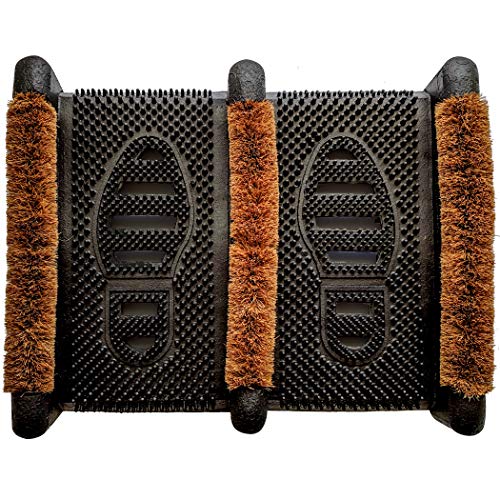
- Rubber boot cleaning brush with scraper
- Boot cleaning kit for rubber neoprene muck boots
- Rubber boot cleaner spray for dirty boots


Before You Start
Set up in a well-ventilated area to avoid inhaling cleaning sprays. Remove laces or insoles if possible to reach all surfaces. Rinse boots with cool or lukewarm water; hot water can warp materials over time. Avoid harsh solvents or abrasive pads that can damage rubber or neoprene. Safety cautions: wear gloves if you have sensitive skin and keep cleaners away from pets and children. Plan for 15–30 minutes of cleaning time, depending on soil level.
Step-By-Step: How To Clean Muck Boots
- Rinse the boots to loosen dirt and remove loose debris. Use a gentle stream to avoid forcing mud into seams.
- Scrape caked mud with the rubber boot cleaning brush with scraper. Focus on the tread and heel areas where grime collects.
- Apply a small amount of rubber boot cleaner spray for dirty boots to a damp sponge or brush. Avoid saturating the interior.
- Scrub the exterior in circular motions, paying attention to the sole, walls, and toe cap. For neoprene areas, be gentle to protect elasticity.
- Rinse thoroughly with clean water until suds disappear. Check seams for dirt pockets and rinse again if needed.
- Pat dry with a clean towel and allow boots to air dry away from direct heat sources like radiators or sunlight.
- Optional: Wipe down with a light conditioning spray or silicone-based protector if recommended by the cleaner’s instructions.
- Reassemble laces or insoles after boots are dry and store in a cool, dry spot to prevent mold.
- Inspect for wear and consider repeating the cleaning cycle every few weeks during heavy use seasons.
- For persistent odors, sprinkle baking soda inside and let sit overnight before a final rinse and dry.
- Document any recurring stains to test targeted treatments on a small area first.
Troubleshooting
| Symptom | Likely Cause | Fix | Prevention |
|---|---|---|---|
| Stubborn stains persist after cleaning | Deep-set grime or mineral deposits | Spot-treat with a mild, non-abrasive cleaner and re-scrub | Regular cleaning after use; avoid letting mud dry on surface |
| Fading color or rubber stiffness | Overexposure to heat or harsh chemicals | Rinse thoroughly; limit heat exposure; switch to milder cleaners | Store away from direct sun; follow product directions |
| Odors remain after cleaning | Interior moisture or trapped sweat | Air dry completely; use baking soda or odor-neutralizing spray inside | Dry boots promptly after use; store with airflow |
| Cracking or cracking risk after cleaning | Old or degraded rubber/neoprene | Use milder products and avoid aggressive scrubbing | Replace worn boots to prevent leaks |
Common Mistakes
- Using hot water or boiling cleaners on rubber materials
- Scrubbing with abrasive pads that scratch the surface
- Over-saturating the interior or letting water sit inside
- Not allowing boots to dry completely before storage
Sticking to manufacturer guidelines for cleaning products helps preserve elasticity and waterproofing over time.
Tips For Best Results
- Clean boots soon after use to prevent dried mud from hardening.
- Test cleaners on a small inconspicuous area first to avoid discoloration.
- Use a brush with a scraper to dislodge dirt from grooves and treads.
- Consider a regular cleaning schedule during muddy seasons to extend life.
Call A Professional
Consult a professional if boots show persistent cracking, leaks, or interior mold growth despite cleaning. Seek professional repair if you notice multiple seams loosening or structural damage that could compromise water resistance.
FAQ
How often should I clean muck boots?
Clean them after heavy use or when mud and debris accumulate, and perform a lighter rinse after lighter outings.
Can I use dish soap to clean muck boots?
Gentle dish soap is acceptable in small amounts, but use purpose-made boot cleaners for best results.
Is it safe to put muck boots in the washing machine?
Avoid machine washing unless the manufacturer approves, as agitation can damage rubber and seams.
Should I condition rubber boots after cleaning?
Conditioning is optional; follow product recommendations and avoid over-application to prevent attracting dirt.
Buying Guide
Choosing the right cleaning setup for muck boots depends on several factors. Consider size and fit, ensuring cleaning tools are comfortable to handle. Noise level is usually minimal but check dryer or spray application implications if stored near living spaces. Energy efficiency is less relevant for cleaning tools, but look for low-waste sprays and reusable brushes. Controls and ease of use matter: pick a kit with clear instructions and ergonomic brushes. Placement matters too—store boots in a dry, ventilated area where cleaners won’t contact heat sources or pets. Compare the included items in cleaning kits and replacement parts for long-term value.
Leave a Reply