How to Get Rid of Sebum on Nose for Clearer Pores
Oily noses can be a common concern, especially for those with combination or oily skin. This guide provides practical steps to reduce shine, minimize pores, and maintain a fresh look throughout the day. By using a combination of cleansing, oil control products, and smart routines, you can keep sebum under control without over-stripping the skin.
Preserving skin health is essential while addressing excess oil. The approaches below focus on gentle cleansing, targeted treatments, and non-irritating tools to help manage sebum on the nose while preserving natural moisture balance.
Quick Answer
Targeted cleansing, oil-absorbent tools, and blotting papers are the fastest ways to reduce shine on the nose between washes. Pair a charcoal pore-cleansing strip for deep oil removal with a silicone cleansing brush for thorough, non-abrasive cleaning, and carry blotting papers for touch-ups during the day.
What You’ll Need
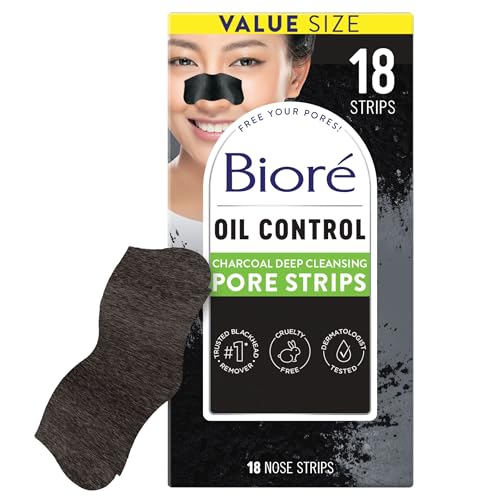
- Charcoal nose pore strips oil control for oily skin — for periodic deep oil removal and pore clarification
- Silicone facial cleansing brush for oily nose — for gentle daily cleansing and exfoliation
- Oil absorbing blotting papers for nose sebum control — for on-the-go shine management


Before You Start
Before beginning, ensure your face is clean and hands are dry. Test any new product on a small patch of skin to avoid irritation. Plan a routine that fits your lifestyle, with a morning and evening wash and a midday touch-up if needed. Time estimates: cleansing routine about 3–5 minutes; weekly deep treatment 5–10 minutes; ongoing touch-ups as needed throughout the day. Important cautions: avoid overwashing, which can trigger more oil production, and skip aggressive scrubbing that can irritate pores. If you have sensitive or reactive skin, consult a dermatologist before starting new products.
Step-By-Step: How To Get Rid Of Sebum On Nose
- Start with a gentle cleanse: Use a mild, foaming cleanser to wash the nose area. Rinse with lukewarm water and pat dry with a clean towel. This prepares the skin for oil-control products without stripping it.
- Apply a charcoal treatment: If using a charcoal nose pore strip oil control for oily skin, apply as directed on clean, dry skin and remove after the recommended time to lift trapped oil and impurities from the pore openings.
- Use a silicone cleansing brush: Gently massage the nose using the silicone facial cleansing brush for oily nose in circular motions. This helps remove excess oil, dead skin cells, and debris without harsh abrasion.
- Pat dry and moisturize lightly: After cleansing, apply a light, oil-free moisturizer or gel-cream to maintain skin balance. This step prevents overcompensation by oil glands later in the day.
- Incorporate blotting during the day: When shine returns, use oil absorbing blotting papers for nose sebum control to lift excess oil without disturbing makeup or skin surface.
- Consider a targeted toner or mattifying product: If your routine allows, use a toner or mattifying layer on the nose area to help control surface oil and reduce the appearance of pores.
- Weekly deep clean: Once a week, perform a deeper cleanse or mask focused on oil control, followed by light hydration to maintain balance.
- Adjust based on results: Monitor how your skin responds to products and adjust frequency of cleansing or patch-test new products if needed.
- Protect overnight: Finish with a non-comedogenic moisturizer or a sleep mask that won’t clog pores, supporting skin recovery while you rest.
- Plan for events: On days with makeup or heavy activity, refresh with blotting papers and a light touch of mattifying primer on the nose to maintain a fresh look.
- Reassess every 4–6 weeks: Skin can change with seasons; reassess routine to ensure it still suits your skin’s oil production and sensitivity.
Troubleshooting
| Symptom | Likely Cause | Fix | Prevention |
|---|---|---|---|
| Persistent shine after cleansing | Overactive oil glands; insufficient cleansing | Increase gentle cleansing frequency and add blotting papers | Use non-comedogenic moisturizers |
| Dry patches near nose | Over-cleansing or harsh exfoliation | Switch to mild cleanser; reduce frequency of deep treatments | Hydrate with a lightweight moisturizer |
Common Mistakes
- Over-washing the face to try to reduce oil, which backfires by triggering more oil production.
- Aggressive scrubbing or rough pore strips that irritate skin and enlarge pores temporarily.
- Using heavy, oil-based products on the nose area, which can worsen shine and clog pores.
- Skipping moisturizer; even oily skin needs hydration to maintain balance.
Tips For Best Results
- Consistency beats intensity—stick to a simple routine rather than alternating products frequently.
- Layer products from lightest to richest, giving each layer time to absorb.
- Choose tools that are gentle on the skin; silicone brushes are easier on sensitive areas than hard brushes.
- Keep blotting papers on hand for quick, makeup-free touch-ups during the day.
- Balance is key—look for ingredients like salicylic acid in low concentrations if you tolerate it well.
Call A Professional
Seek professional help if you notice persistent pore-clogging blackheads, severe breakouts, or skin irritation that does not improve with routine changes. If you have chronic redness, swelling, or signs of infection around the nose, consult a dermatologist promptly.
FAQ
Can charcoal nose pore strips oil control for oily skin be used daily?
Charcoal strips are best used as directed, typically a few times per week, to avoid over-drying or irritating the skin.
Are silicone facial cleansing brushes suitable for sensitive noses?
Yes, silicone brushes are gentle and easy to clean, making them suitable for sensitive noses when used with a mild cleanser.
Will blotting papers replace washing the face?
No. Blotting papers reduce shine temporarily; a regular cleansing routine is still necessary to remove oil and impurities.
What products help with long-term oil control without clogging pores?
Look for non-comedogenic formulas, lightweight gels, and ingredients that balance oil production while maintaining hydration.
Buying Guide
Choosing the right tools and regimen to control nose sebum involves weighing several factors. Consider the size of the nose area to determine how a silicone cleansing brush will fit the contour and how often you will use a charcoal strip. Noise level and ease of use may matter for morning routines. Energy efficiency is not a concern here, but the durability of the tools matters for long-term use. Controls should be simple: a clear cleanser, a targeted pore treatment, and an easy method for on-the-go oil management. Placement matters too: keep blotting papers in a convenient pocket or bag for quick access. When comparing options, evaluate how each product integrates with your existing routine and whether it aligns with sensitive-skin needs. Will the charcoal strip work well with your cleansing method? Does the silicone brush reach all nose pores comfortably? Does the blotting paper leave behind residue or disrupt makeup? A practical approach is to test each item for a few weeks and monitor oil levels, shine, and skin texture. Remember, consistency and proper usage often deliver the best results.
Leave a Reply